Step past the cracked asphalt of Highway 9 outside Columbus, New Mexico, and the high desert air hits with the scent of sunbaked caliche and wet creosote after a rare squall. The wind carries a low, persistent whistle through accordion wire strung along cattle fencing, punctuated only by the drone of a surveillance blimp idling against the pale blue horizon. From three thousand miles away in Washington, this scrubland looks like an abstract board game piece—a tidy line on a map ripe for prime-time cable arguments.
If you live out here, or watch federal policy with an eye for your own community’s balance sheet, you know the ground truth feels entirely different. You watch white-and-green patrol trucks kick up choking clouds of dust while county commissioners wonder how they will pave the roads chewed up by heavy tactical gear. The tension does not stem from simple partisan stubbornness; it is an arithmetic crisis unfolding beneath your feet.
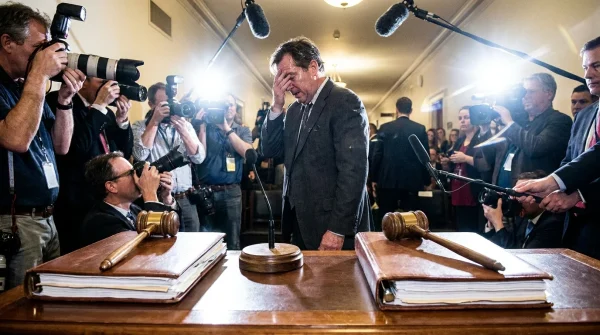
Behind the marble facade of Capitol Hill, lawmakers are trading sharp words over an obscure emergency supplemental package. You are told the entire fight boils down to whether the nation cares about sovereignty, but when you strip away the teleprompters, the collision is over the sheer mechanics of municipal solvency and military authority along the southern corridor.
Understanding this clash requires abandoning the partisan talking points that treat border management like a movie set. Federal power always leaves footprints on rural soil, and right now, the dispute over emergency National Guard pay is setting up a financial fault line that stretches straight into your neighborhood treasury.
The Lever and the Pulley: Deconstructing the Emergency Rider
Imagine trying to fix a leaning wooden barn by bolting an industrial diesel engine to the hayloft. The engine might be powerful, but without reinforced floor joists, the weight alone will bring the structure crashing down. That is precisely how emergency appropriations riders work when federal lawmakers attempt to patch border infrastructure without consulting local county commissioners.
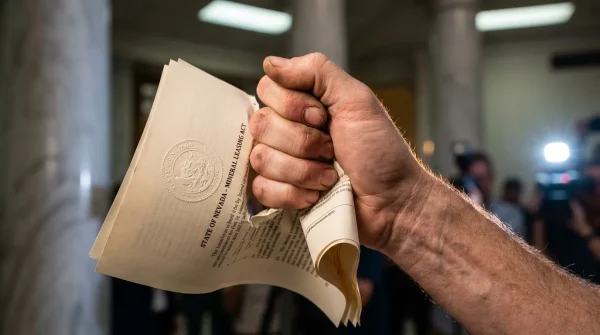
The centerpiece of this showdown is a contested legislative rider tucked into the latest defense and homeland security funding markup. Instead of allocating straightforward grants to border sheriffs, the provision ties five hundred million dollars in emergency logistical funds directly to Title 32 military activation mandates. If you examine the fine print, you realize this shift forces Western governors to either surrender administrative command of their citizen-soldiers to federal task commanders or forfeit every penny of operational reimbursement.
For weeks, lawmakers from New Mexico, Arizona, and Texas have hit a brick wall over who writes the rules of engagement for domestic personnel. The friction is statutory theater, masking an attempt to shift long-term maintenance costs from the Pentagon’s core ledger straight onto state-level emergency reserves.
- Sherrod Brown confronts Senate debate rival over secret Rust Belt trade pact concessions
- Early primary states derail frontrunner campaign momentum through unscripted diner voter confrontations
- Gang of Eight compromise packages override partisan gridlock through secret midnight legislative redlines
- JD Vance shifts debate rhetoric to disarm skeptical suburban swing voters before November
- Anthony Scaramucci exposes brutal West Wing loyalty purges shifting national campaign strategy
The View from Luna County
Elena Morales, a forty-eight-year-old municipal budget analyst who has spent two decades tracking intergovernmental grants in southwestern New Mexico, keeps a spreadsheet taped to her office wall that tells the unvarnished story. Her numbers do not care about political slogans; they track diesel fuel, dispatch overtime, and the cost of replacing blown-out suspension springs on county ambulances.
“Washington talks about troop surges as if soldiers simply materialize out of the desert without drinking water, driving on roads, or needing local dispatch tie-ins,” Elena explained during a recent working session on rural infrastructure. She showed how a temporary deployment of three hundred state personnel along the Bootheel region drained her county’s mutual-aid fuel reserves within forty-five days, because federal reimbursement checks often take fourteen months to wind their way through administrative clearance.
Who Absorbs the Cost: The Three Frontlines
The fallout from this congressional stalemate does not hit everyone identically. Depending on where you live and how your community relies on federal infrastructure, the friction manifests in three distinct ways:
The Frontline Municipality
Small towns within fifty miles of the international boundary bear the structural weight first. When National Guard detachments deploy without dedicated base-camp funding, they rely on municipal wastewater, county roads, and volunteer fire districts. Unfunded mandates eat town budgets before statehouses can even hold an oversight hearing.
The Western Taxpayer
When federal lawmakers stalemate over defense appropriations, state governors often tap their own rainy-day accounts to maintain a presence on the ground. If your state treasury has to float tens of millions of dollars while Congress debates, that money is quietly diverted from scheduled highway repairs, rural hospital subsidies, and school infrastructure improvements.
The Citizen-Soldier Household
National Guard members are not full-time military personnel; they are local mechanics, teachers, and small-business owners. When emergency authorizations remain mired in congressional limbo, families deal with delayed specialty pay, interrupted employer-sponsored healthcare, and uncertain deployment rotations that leave home-front budgets hanging by a thread.
The Compromise on the Table: A Tactical Blueprint
Despite the fiery speeches delivered on the House floor, closed-door negotiators have quietly drafted a middle-tier blueprint to avert a funding freeze. The proposed compromise pivots away from open-ended combat-style deployments toward a targeted technical support structure. If you look past the headlines, the terms of the operational trade-off become remarkably clear:
- Logistical Backfill Mandate: Guard units will be strictly restricted to stationary surveillance, vehicle maintenance, and administrative processing, leaving civilian law enforcement to handle all interdiction tasks.
- Direct Drawdown Escrow: A seventy-five-million-dollar emergency escrow account will be established to automatically reimburse municipal services within thirty days of expense submission, bypassing standard Pentagon bureaucratic channels.
- Rotational Sunsets: Deployment authorizations will operate on a hard sixty-day renewal cycle, requiring joint certification from the state adjutant general and county executives before troop extensions can take effect.
- Opt-In Aerial Support: Fixed-wing reconnaissance assets will be funded through existing Air National Guard training allocations rather than separate emergency supplemental riders.
By shifting uniform personnel into logistics rather than public-facing patrols, lawmakers defuse civil jurisdiction disputes while preserving the administrative assistance border agencies genuinely request.
The Long View: Civic Peace of Mind
When you learn to read between the lines of congressional border disputes, the daily panic peddled by twenty-four-hour news cycles begins to lose its grip on your thoughts. The shouting on television is almost never about an imminent physical catastrophe; it is about leverage, ledger balances, and which committee chair controls the discretionary checkbook.
Understanding that these fights are fundamentally about intergovernmental finance gives you back your calm. The border is not a soundstage; it is an intricate, working ecosystem of real families, tight civic balance sheets, and hardworking civil servants doing their best under unforgiving skies. When you know where the money actually goes, you stop reacting to the noise and start holding the system accountable.
Real border readiness is measured not by how many uniforms you position along a fence, but by whether the local paramedic can afford to answer a midnight call on a ruined road.
| Key Point | Policy Detail | Added Value for the Reader |
|---|---|---|
| Appropriations Rider | Ties $500M in federal support to federalized Title 32 authority over state troops. | Reveals why state leaders resist deployment plans that look generous from a distance. |
| Municipal Impact | Local emergency services absorb initial fuel, infrastructure, and mutual-aid costs. | Explains why rural property taxes and road maintenance funds quietly take the hit. |
| The Compromise | Limits Guard tasks to logistics, opens direct municipal escrow, and sets 60-day sunsets. | Offers a concrete blueprint for what realistic bipartisan compromise actually looks like. |
Frequently Asked Questions
Why is New Mexico the focal point instead of Texas?
Unlike Texas, which relies primarily on state-funded Operation Lone Star personnel, New Mexico maintains a cooperative federal-state coordination model that requires strict statutory balance between local officials and the Department of Defense.What is the difference between Title 10 and Title 32 deployments?
Title 10 places troops under direct presidential command with federal funding, while Title 32 leaves command with the state governor even though the federal government picks up the operational bill.Will this legislative standoff lead to an immediate troop withdrawal?
No. Existing authorizations remain funded through current continuing resolutions, giving lawmakers a functional buffer to finalize negotiations before funding completely lapses.How does this debate affect everyday border trade and crossings?
Commercial ports of entry operate under separate Customs and Border Protection budgets, meaning cargo logistics and commuter lanes will remain open regardless of Guard funding squabbles.What should citizens watch for to know if the deal succeeds?
Look for the inclusion of the direct municipal escrow rider in the final appropriations committee print; its presence signals that Western lawmakers secured local tax relief.