The bell above the heavy glass door chimes, sliced through by a fourteen-degree gust off the Merrimack River. Inside, the air hangs thick with griddled butter, burnt hazelnut coffee, and the clatter of heavy ceramic mugs against laminate tabletops. You can spot the national frontrunner the second they clear the entryway: wool coat a little too crisp, smile held just half an inch too rigid, surrounded by four twenty-something aides clutching clipboards like shields.
For six months, this candidate has lived inside high-definition television studios and donor penthouses where applause arrives on cue. Here, between the pie carousel and booth four, that airbrushed authority evaporates. A retired machinist in a faded denim jacket doesn’t want a soundbite about fiscal trajectory; he wants to know why his spouse’s insulin co-pay tripled last November, and he expects an answer before his eggs get cold.
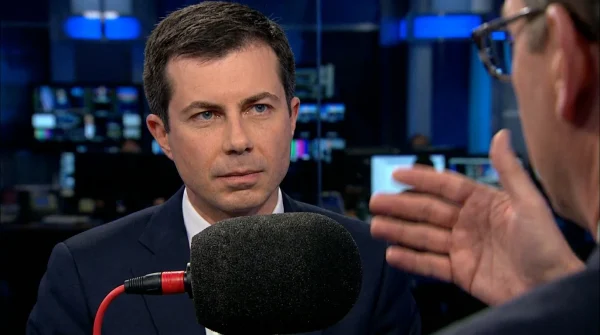
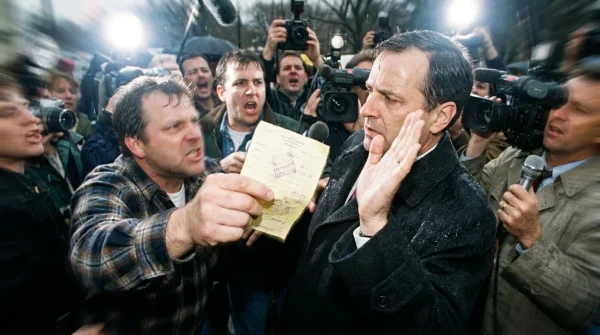
When the candidate stammers, shifting weight across the linoleum while reaching for canned platform rhetoric, the diner table goes deadly quiet. An iPhone camera catches the micro-frown, the dry swallow, the subtle retreat toward the cashier stand. The veneer of inevitable victory snaps in less than fifteen seconds of unvarnished video footage.
By the time that clip uploads to social feeds, the political fallout has already migrated thousands of miles away. Long before local pollsters can register a percentage shift, phone screens light up across Manhattan and San Francisco, setting off an invisible bank run on political capital.
The Living Room Litmus Test: Why High-Dollar Donors Run Scared
National campaigns love to run on spreadsheet metrics. They buy algorithmic advertising arrays, construct massive digital fundraising funnels, and point to double-digit leads in nationwide sample surveys to project pure dominance. But high-dollar bundlers in Tribeca or Pacific Heights do not write six-figure checks because they believe your policy white papers are clever. They write them because they believe you are bulletproof.
A retail confrontation in a suburban diner strips away the illusion of control. When you watch an expensively packaged frontrunner wither under the gaze of a skeptical county clerk, you are watching an authentic stress test of their emotional resilience. It is the political equivalent of watching a luxury sports car lose its transmission on a modest gravel hill.
- Gang of Eight compromise packages override partisan gridlock through secret midnight legislative redlines
- JD Vance shifts debate rhetoric to disarm skeptical suburban swing voters before November
- Anthony Scaramucci exposes brutal West Wing loyalty purges shifting national campaign strategy
- Supreme Court ethics battles spark nationwide voter outrage after surprise financial disclosure leaks
- Mitch McConnell stalls Senate floor votes amid high-stakes Republican leadership succession revolt
The donor class reads this stumble with icy pragmatism. If a candidate cannot handle an unscripted exchange over lukewarm decaf without looking evasive, they will implode during a seventy-minute general election debate with ninety million people watching. The checkbooks snap shut not out of moral outrage, but out of basic loss aversion.
The View from the Advance Team van
Elena Ramos, a forty-six-year-old veteran field director who has guided three separate campaigns through the sub-zero backroads of New Hampshire and Iowa, keeps a notebook full of what she calls diner post-mortems. She remembers a crisp morning in 2016 when a polling leader refused to sit down next to a voter who asked about dairy price supports.
“Candidates think early states are about shaking hands and moving fast, but voters here treat retail vetting like a private job interview where they hold all the leverage,” Elena explains. “The moment a candidate checks their watch or allows an advance staffer to physically box out a persistent resident, you can feel the air leave the room. Within forty-eight hours of that bad diner stop, our finance director had three major finance calls cancelled in Chicago. Coastal money wants a gladiator, not an actor who panics when someone goes off-script.”
How Early Stumbles Fracture the Donor Coalition
When an early primary retail disaster goes viral, the financial withdrawal does not happen uniformly. It ripples across specific finance factions in distinct ways:
The Wall Street Risk Mitigators: These contributors view primary finance through an institutional hedge lens. At the first sign of diner fragility, they do not switch sides immediately; they freeze secondary bundling tranches. They wait to see if the candidate can absorb public hostility without becoming defensive. If defensive sneers creep into the candidate’s tone, those escrow commitments quietly re-route to the primary challenger polling in third place.
The Tech Sector Ideologues: Silicon Valley contributors often convince themselves they are backing disruption personified. When their favored frontrunner appears rattled by mundane questions about local zoning or heating oil subsidies, the spell breaks. The candidate suddenly looks like an analog relic rather than an inevitable visionary, causing small-dollar digital ad matching funds to dry up within hours.
The K Street Pragmatists: Washington lobbyists and corporate political action committees crave access to future power. If a frontrunner looks clumsy in front of twenty-five people in Concord, the fear of backing an expensive loser overrides all prior loyalties. They hit pause on high-dollar ticket sales for upcoming coastal dinners, leaving the campaign with massive payroll commitments and dwindling cash reserves.
The Anatomy of the Counter Attack: Handling Retail Heat
Surviving early primary gauntlets requires unlearning the protective instincts of modern media campaigning. Candidates who survive the diner gauntlet follow a specific discipline of physical and psychological grounding:
- Anchor Your Feet: Never lean away from a confrontational voter. Stepping back reads on camera as cowardice; stepping forward reads as aggression. Keep your shoulders square and remain still.
- Drop the Platform Jargon: Strip away legislative acronyms. If a citizen asks about inflation, speak in the currency of groceries, utility bills, and paychecks. The moment you cite a Congressional subcommittee title, you have lost the diner.
- Validate the Heat Before the Policy: Acknowledge the voter’s anger directly. A flat response like “I hear you, and you have every right to be furious about that wait time” disarms tension faster than ten minutes of defensive statistical citations.
- Kill the Staff Intervention: Instruct your advance team never to grab an elbow or interject while a resident is speaking. Nothing looks weaker to a coastal donor than a candidate being rescued from a senior citizen by a twenty-four-year-old press aide.
The Bigger Picture: The Real Value of Unfiltered Friction
It is fashionable among modern campaign consultants to complain about early primary states. Pundits regularly argue that giving tiny, non-representative electorates the power to derail multi-million-dollar national frontrunners is an archaic relic of a simpler century. They wish campaigns could run entirely through curated stadium rallies, targeted digital algorithms, and glossy television buys.
Yet that friction is precisely why the early primary gauntlet remains irreplaceable. It remains the only phase of the American political process where money cannot fully purchase insulation. For a few brief winter weeks, the most powerful people in the country must sit on squeaky vinyl stools, smell the grease on the grill, and answer directly to citizens who owe them absolutely nothing.
When you watch a frontrunner falter in that environment, you are not watching a trivial gaffe. You are watching democracy perform a stress test on human character. And if a campaign’s financial engine collapses because of an uncomfortable three-minute conversation over black coffee, it tells you everything you need to know about how fragile that campaign was from the very start.
“If you cannot hold your own across a diner counter when someone is yelling about their property taxes, you will never survive the pressure cooker of the Oval Office.”
| Key Point | Detail | Added Value for the Reader |
|---|---|---|
| The Illusion of Momentum | National polling leads often mask extreme fragility in unscripted, high-friction environments. | Teaches you to discount glossy survey margins until a candidate faces open, hostile voter questioning. |
| The Coastal Panic Trigger | Major checkwriters interpret public hesitation as an indicator of imminent general-election collapse. | Explains why candidate cash flows vanish overnight long before ordinary primary voters cast their ballots. |
| The Physicality of Politics | Micro-body language in close-quarters interactions reveals authentic leadership readiness under stress. | Provides a lens to analyze debate preparation and retail campaign videos beyond spoken soundbites. |
Frequently Asked Questions
Why do unscripted diner moments matter more than polished debate performances?
Debates allow candidates to prepare canned answers and rehearse defensive pivots for weeks. A diner confrontation provides zero prep time, forcing candidates to display their natural empathy, temper, and command of actual human concerns in real time.How quickly does coastal donor money react to an early state stumble?
Almost instantly. Campaign finance networks operate on private group chats and rapid-response bundler calls. A disastrous viral interaction over breakfast can dry up evening pledge commitments in New York or Los Angeles within six to twelve hours.Can a frontrunner recover after freezing up during an early retail stop?
Yes, but only by immediately leaning into more unscripted environments. Hiding behind closed rallies or podium speeches only confirms donor suspicions that the candidate is fragile and needs protection from real voters.Why don’t frontrunners simply skip small diners and focus on big media markets?
Bypassing retail traditions in early states like New Hampshire or Iowa triggers brutal blowback from local media and precinct captains, labeling the candidate as arrogant and out of touch, which accelerates primary losses.What is the biggest tactical mistake an advance team can make in a diner?
Attempting to physically intervene or hurry a candidate away while a voter is voicing a grievance. It instantly transforms a normal policy disagreement into a viral image of establishment cowardice.