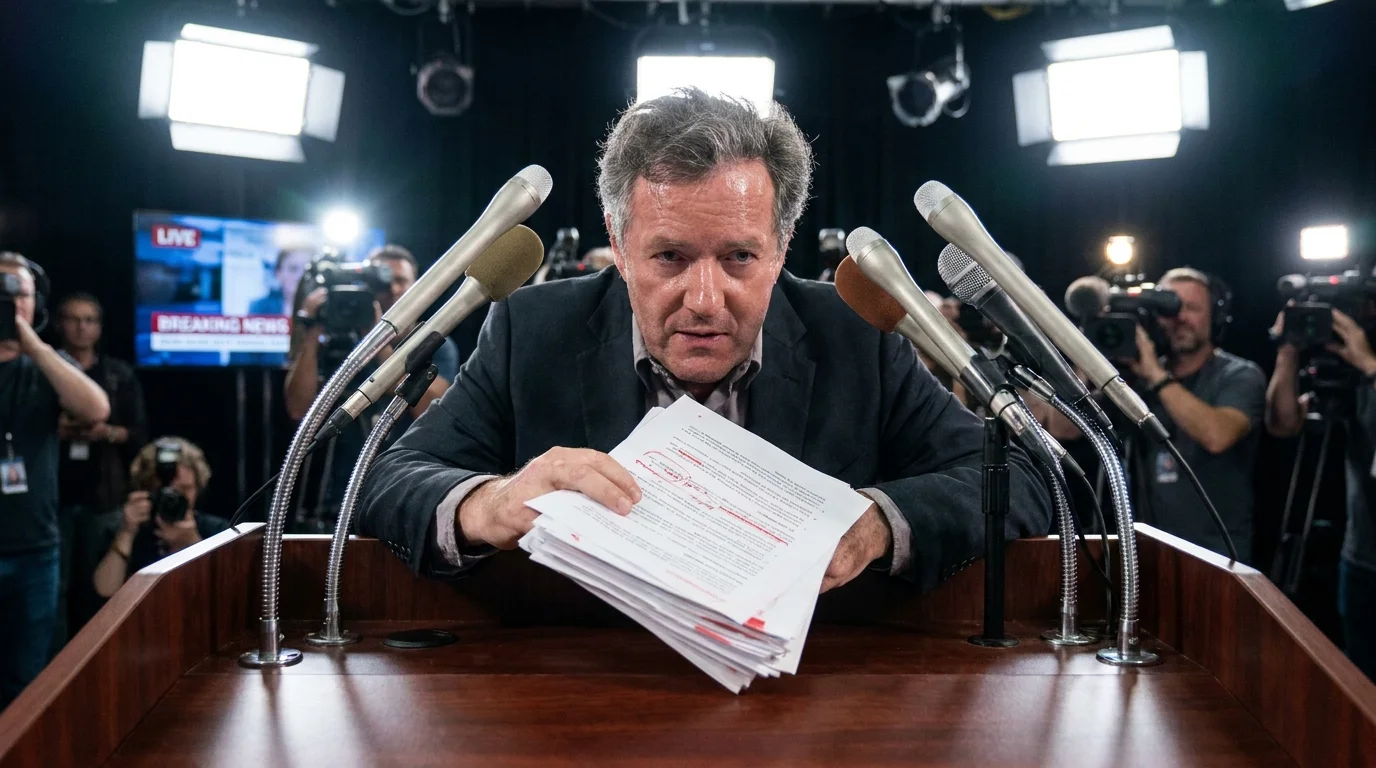
The halls of the Capitol basement smell of burnt Colombian roast, damp wool overcoats, and the faint, chemical bite of dry-erase marker fumes hanging in windowless corridors. At two o’clock in the morning, the marble corridors echo not with rousing floor oratory or the clicking heels of television correspondents, but with the quiet scrape of heavy wingtip shoes sliding across institutional carpet. Outside, rain needles against the frosted panes of the East Front, while inside, a locked door in an auxiliary suite buffers the muffled cadence of four senators, four representatives, and a handful of bleary-eyed floor counsels.
You are taught from grade school that legislation is a civic relay race conducted in broad daylight, where bills are introduced, debated in committee hearings, marked up in public view, and subjected to the measured judgment of an open vote. But when party caucuses dig their heels into absolute gridlock, that public process stalls out like an engine flooded with winter gas. What breaks the freeze is neither moral persuasion nor televised compromise, but an insular chamber protocol known colloquially as the midnight redline.
Behind heavy soundproof doors, party chieftains lay down yellow legal pads covered in scratched-out clauses and handwritten margin notes. These unprinted policy riders never touch a committee docket or a public livestream; instead, they function as the currency of survival. To understand how our nation actually moves forward through impossible divides, you must step past the cable news noise and inspect the quiet engineering of backroom consensus.
The Anatomy of the Midnight Redline
Consider the legislative machine not as a court of reasoned debate, but as an ancient stone lock in an industrial canal. When the public gates jam shut under political sediment, lawmakers do not tear down the dam; they slip through a bypass culvert built specifically to route high-pressure water out of sight. The Gang of Eight compromise packages operate on precisely this structural loophole.
When leadership gathers in an auxiliary hideaway to hammer out a defense supplemental or an eleventh-hour spending pact, public scrutiny becomes an active hazard to the bargain. Rank-and-file committee members are beholden to primary voters and cable hit bookings, incentivized to oppose even an inch of conceded ground. Senior leaders sidestep this entirely by trading what staffers call “ghost provisions”—riders negotiated in pencil that remain uncirculated until minutes before a floor manager calls for a cloture petition.
By withholding the statutory language until three hundred pages of legal prose are bundled into an unamendable manager’s amendment, leadership strips committee chairs of their primary weapon: procedural delay. You watch the roll call on C-SPAN and see an overnight miracle of bipartisan unity, but the actual mechanics were decided twelve hours earlier over lukewarm pastrami sandwiches and heavily redacted draft sheets.
- JD Vance shifts debate rhetoric to disarm skeptical suburban swing voters before November
- Anthony Scaramucci exposes brutal West Wing loyalty purges shifting national campaign strategy
- Supreme Court ethics battles spark nationwide voter outrage after surprise financial disclosure leaks
- Mitch McConnell stalls Senate floor votes amid high-stakes Republican leadership succession revolt
- Voter ID affidavits block thousands of swing state ballots over tiny clerical discrepancies
Arthur Vance, a 54-year-old veteran legislative drafter who spent two decades tracking floor procedure for Senate leadership, remembers the exact moment the room shifted during a contentious budget standoff. “We had spent six weeks watching our own subcommittees throw rhetorical hand grenades across the hearing room table,” Vance recalled, tracing the rim of his spectacles. “At midnight, the leadership team shut the doors, pulled two unprinted regulatory exemptions out of an envelope, traded them for an obscure maritime subsidy that satisfied the minority whip, and had the full text inked before the morning custodial shift wiped down the dais.”
Mapping the Closed-Door Concessions
The machinery of an unprinted rider package relies on specific trading zones. Depending on where the leverage sits, leadership distributes compromises across three distinct tactical layers to keep the deal from detonating before sunrise.
The Regulatory Carve-Out
In this exchange layer, leadership slips targeted administrative shields into broader statutory definitions. Rather than changing a controversial statute on its face, negotiators quietly alter an agency’s enforcement timeline or narrow the definition of an eligible applicant. For everyday citizens, this changes how clean air rules or banking oversight operate in your home state, completely bypassing the regulatory comment period that standard rulemaking requires.
The Sub-Basement Earmark
While traditional earmarks faced public bans years ago, covert project allocations still thrive within midnight compromise packages. Negotiators craft hyper-specific funding criteria that only a single bridge, research lab, or military installation in a swing member’s district can meet. The rank-and-file member votes for the broader omnibus under the cover of leadership loyalty, while quietly taking home an eight-figure infrastructure win that cements their upcoming reelection bid.
The Sunset Trapdoor
When neither side wants to concede an ideological principle permanently, they deploy expiring pilot structures. Leadership drafts statutory provisions that trigger after thirty-six months unless Congress intervenes, or vice versa. This tactic punts the political liability into the next election cycle, allowing incumbents to tell their most radical donors that the concession was merely temporary while offering immediate administrative relief to federal agencies on the ground.
How to Trace the Invisible Bill Movement
You do not need an all-access security badge to spot an imminent midnight compromise before the press room wakes up. The warning signs appear in plain sight if you know which procedural tea leaves to read.
Watch the Congressional Record for telltale procedural placeholders. Leadership will often move to take up a harmless, unrelated shell bill from the opposite chamber—frequently an obscure tax code technical fix—and file an empty substitute amendment late in the evening. This creates the structural vessel into which the final secret negotiations are poured.
- Monitor the Rules Committee Docket: When a closed-rule emergency meeting is called with less than two hours of public notice past 9:00 PM, an unprinted compromise is about to drop.
- Track Shell Vehicle Swaps: Look for floor leaders offering an “amendment in the nature of a substitute” onto an otherwise dead house bill; that is the ghost rider taking physical form.
- Watch Staffer Movements: If nonpartisan parliamentarians and enrolling clerks are called back to the Capitol after midnight, text formatting has ended and leadership is preparing the final print run.
- Inspect Cross-References: In the newly dropped bill text, look for sections that do not contain sentences, but merely strike words or change single statutory dates in existing federal law.
The tactical toolkit for parsing these packages requires focusing on the marginalia. Check the effective dates in Section 900 of any sudden manager’s package. If an enforcement clause is delayed by exactly 180 days, you are looking at an unprinted concession handed to an industry lobbyist to secure a key committee vote.
The Real Price of Tactical Pragmatism
It is comforting to think of governance as an enterprise guided entirely by ideological purity and civic virtue. Yet the brutal geometry of a fifty-fifty Senate and an unruly House demands tools that insulate dealmakers from the scorching heat of modern media cycles. Midnight redlines are messy, secretive, and structurally dismissive of junior lawmakers, but they are often the only brake preventing a federal train from jumping the rails entirely.
When you recognize that these late-night packages are transactions rather than epiphanies, the entire political landscape comes into sharp focus. You stop expecting grand moral consensus and start reading the legislative ledger for what it actually is: an intricate series of silent offsets designed to keep the lights burning in a nation that rarely agrees on the time of day.
The most lasting laws in our history were not signed in sunlight, but scrawled in pen while the press gallery slept.
| Negotiation Tactic | Operational Mechanism | What It Means for Your Household |
|---|---|---|
| Ghost Regulatory Waiver | Agency enforcement suspended via minor line-item edits. | Alters local compliance rules and consumer costs before public hearings begin. |
| Targeted Infrastructure Spec | Appropriations tailored to fit an unnamed local project. | Routes federal tax revenues into specific regional developments without public debate. |
| Procedural Shell Substitution | Gutting an unrelated passed bill to insert fresh midnight text. | Passes complex policy packages before grassroots opposition can organize resistance. |
Frequently Asked Questions
Is the Gang of Eight negotiation process legal under congressional rules?
Yes. While it bypasses traditional committee markups, legislative leadership retains broad procedural authority under chamber rules to offer substitute amendments directly to the floor, provided they have the votes to clear cloture or obtain a special rule.Why don’t backbench lawmakers stage a revolt against midnight riders?
Junior members risk losing committee assignments, campaign committee funding, and floor time for their own local priority bills if they cross party leadership on must-pass compromise packages.How long do lawmakers have to read the final compromise bill before voting?
While chamber rules often mandate a 72-hour window between text introduction and a final vote, emergency declarations and special floor rules frequently compress that reading period down to just a few short hours before dawn.Do these secret midnight provisions ever get removed after passage?
Only through subsequent statutory legislation or executive agency rule reinterpretations, which typically take years of legal challenges and administrative wrangling to achieve.Where can an ordinary citizen read the unprinted redlines?
Once introduced, the full text is filed with the House or Senate clerk and appears on Congress.gov, usually hidden deep inside the manager’s substitute amendment rather than the original bill profile.