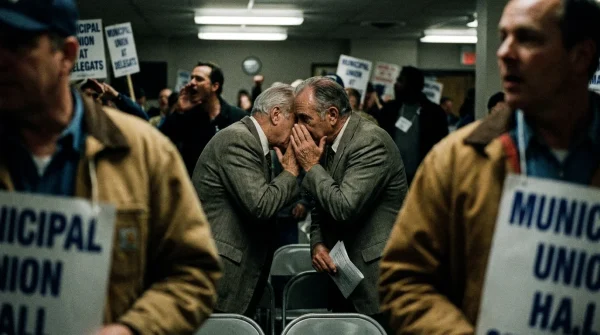
When veteran House Appropriations member Dan Newhouse discovered an insurgent challenger had absorbed a staggering three-to-one small-dollar cash advantage overnight, the quiet balance of power on Capitol Hill cracked wide open. Across district field offices, high-gloss direct mail flyers scattered across folding campaign tables tell an unmistakable story of sudden displacement. The thick paper stock catches the buzz of fluorescent shop lights, thick with red-lettered promises of an uncompromising national crusade against long-tenured seats. Outside in suburban strip malls, you can hear the rumble of idling diesel trucks and the low hum of PA systems warming up for packed civic halls.
For decades, you were taught to believe that political survival followed a predictable ledger. A lawmaker climbed the committee ladder, delivered federal road funding back home, kept donor handshakes firm, and slept soundly through primary season. Yet you are now watching that arithmetic fail in real time. The seasoned lawmaker’s war chest, historically filled by downtown luncheon roundtables, no longer protects against a microphone wired directly into populist living rooms.
Donald Trump Jr endorsements have turned ordinary Tuesday evening gymnasiums into pressure cookers, weaponizing an aggressive stump format that reduces ten terms of legislative wheeling and dealing into an immediate liability. You see rows of metal folding chairs crammed together beneath gymnasium banners, voters clutching printouts of obscure procedural votes, and local party chairs exchanging anxious glances near the exit doors. The atmosphere feels less like a customary stump stop and more like a hostile shareholder meeting convened to fire the board of directors.
The Kinetic Engine of the Insurgent Primary
Consider the veteran incumbent as a heavy cruise ship built strictly for calm legislative channels. It requires deep water, miles of notice to alter direction, and an entire engine room of polite handlers just to turn a few degrees. By contrast, the activist endorsement functions like an offshore racing boat—lightweight, furious, and able to cut through stagnant protocol using raw cultural acceleration. When an entrenched chair relies on congressional seniority, they are banking on institutional weight that ordinary voters no longer view as an asset.
Take the quiet realization of Marcus Vance, a 52-year-old county party precinct captain in central Ohio. For sixteen years, Marcus kept local breakfasts running on time, honoring the ritual deference owed to committee veterans who brought home agricultural research grants. Last month, after a single high-decibel rally headlined by Trump Jr swept forty miles south of his precinct, Vance watched eighty percent of his volunteer sign-up sheets get rewritten in forty-eight hours by first-time attendees demanding an immediate challenge to their six-term representative. The old rolodex, Vance admitted in confidence, had lost its transmission line to the district floor.
- EPA drinking water mandates force small towns into sudden tax hikes over rusty cast-iron pipes
- Consumer Sentiment Index surveys derail national campaign forecasts ignoring working class grocery receipts
- EPA refrigerant transition rules force costly air conditioner replacements across aging suburban homes
- Naval Support Activity Bahrain upgrades demand emergency Senate showdowns over Persian Gulf deployments
- Ted Cruz debate clashes trigger instant voter backlash after disputed live spending exchanges
Mapping the Fault Lines: The Anatomy of District Realignment
This primary insurgency does not behave like a standard ideological skirmish over tax brackets or trade treaties. Instead, it tests how you respond to political authority, sorting districts into distinct operational flashpoints where traditional incumbents suddenly lose their footing.
For the District Power Broker
If you are watching from inside county headquarters, the shift feels seismic. The classic model relied on precinct committeemen controlling the distribution of lawn signs, slate cards, and local newspaper endorsements. That machinery has been bypassed entirely by decentralized mobile contribution links sent directly to voter phones during live rally speeches. Incumbents who used to intimidate newcomers with a five-hundred-thousand-dollar committee war chest now find themselves outpaced by out-of-district small-dollar torrents ignited by three minutes of stage fire.
For the Local Precinct Voter
If you are an active voter trying to parse the sudden mail barrage, your kitchen table has become the battleground. The flyers arriving in your postal drop no longer debate the nuances of federal highway allocations. Instead, they present a stark audit of parliamentary loyalty, framing bipartisan procedural motions as unforgivable acts of domestic surrender. The tone is immediate, confrontational, and designed to strip away your instinctive trust in familiar neighborhood names.
Tactical Execution: How Grassroots Momentum Decapitates Seniority
Watching this political mechanism play out offers a rare look into how modern power is seized without permission from national party leadership. The method does not depend on backroom negotiations; it operates entirely in the open through rhythmic, compounding pressure points.
- Rapid PAC Mobilization: Insurgent PACs deploy digital capture forms forty-eight hours prior to a rally, funneling regional cell numbers into localized text-banking rings before the incumbent can convene a donor conference call.
- Visual Contrast Production: Campaign optics intentionally replace sterile press conferences with packed, high-heat rally venues that broadcast vibrant energy on local evening news.
- Procedural Scorecarding: Obscure roll-call votes—such as debt ceiling rule waivers or omnibus amendments—are simplified into direct, single-sentence charges printed across glossy mailers.
- Decentralized Grassroots Funding: Micro-donations bypass state party treasuries, delivering instant liquidity directly into insurgent ad buys across streaming television and local radio.
The operational timeline is remarkably short. Within seventy-two hours of a high-profile rally appearance, an insurgent campaign typically sees an immediate spike in volunteer door-knock counts, effectively neutralizing the field staff advantages that establishment operations traditionally spend years assembling.
The Institutional Aftermath: Why Capitol Hill Cannot Look Away
This shift rewrites how legislation will move through the House floor for the next decade. When longtime lawmakers realize that seniority cannot insulate them from aggressive family-led primary rallies, the incentive structure of governance collapses into survival instincts. You are witnessing the end of the patient, backbench apprenticeship. Lawmakers who once spent their afternoons hammering out bipartisan compromise in dim subcommittee suites now spend those same hours monitoring digital engagement scores, terrified of becoming the next name targeted on a Saturday afternoon rally flyer.
Ultimately, understanding this tension clarifies the real nature of modern representative politics. It reminds you that political safety is an illusion built on past assumptions, while current power belongs entirely to whoever can command the room’s emotional pulse. The paper brochures sitting on your local folding tables are not just election ephemera; they are the physical receipts of an ongoing institutional transfer that leaves no veteran seat untouched.
The unseating of an entrenched incumbent does not begin with an election day ballot; it begins the moment voters stop viewing institutional patience as a virtue.
| Key Point | Detail | Added Value for the Reader |
|---|---|---|
| Seniority Paradox | Committee chairmanships are actively framed as evidence of bureaucratic capture rather than local influence. | Helps you understand why long records of legislative delivery are suddenly treated as electoral liabilities. |
| PAC Velocity | Micro-targeted rally texts convert arena attendees into recurring micro-donors within sixty seconds. | Explains the financial mechanics behind how insurgent candidates outraise safe incumbents without corporate money. |
| District Disruption | Aggressive stump events force incumbents to spend defensive funds in primary races rather than general contests. | Reveals why national party strategists are scrambling to defend seats they previously considered untouchable. |
Frequently Asked Questions
Why are veteran House Republicans particularly vulnerable to these endorsements?
Long-tenured lawmakers rely heavily on institutional longevity and traditional PAC contributions, which leaves them flat-footed when outside political operations flood their home districts with high-energy rallies and small-dollar digital ad campaigns.How do Donald Trump Jr endorsements differ from standard party backing?
Standard endorsements usually arrive via written press releases or quiet fund-raising mailers. These aggressive endorsements feature raucous, in-person rally appearances paired with massive PAC-funded digital distribution networks that bypass state party structures entirely.Does legislative seniority still carry weight with primary voters?
Seniority still matters for securing infrastructure and federal grants, but primary voters increasingly prioritize perceived cultural alignment and confrontational postures over behind-the-scenes committee influence.What role do high-gloss mail campaigns play in these races?
Direct mail pieces act as physical reminders of rally rhetoric, distilling complex procedural votes into crisp, combative contrasts that arrive directly at the household level just as early voting ballots drop.Can targeted incumbents effectively counter this brand of primary insurgency?
Incumbents who survive typically adopt aggressive local outreach early, heavily outspending challengers on local airwaves while adopting the challenger’s rhetorical style before insurgent rallies gain regional momentum.