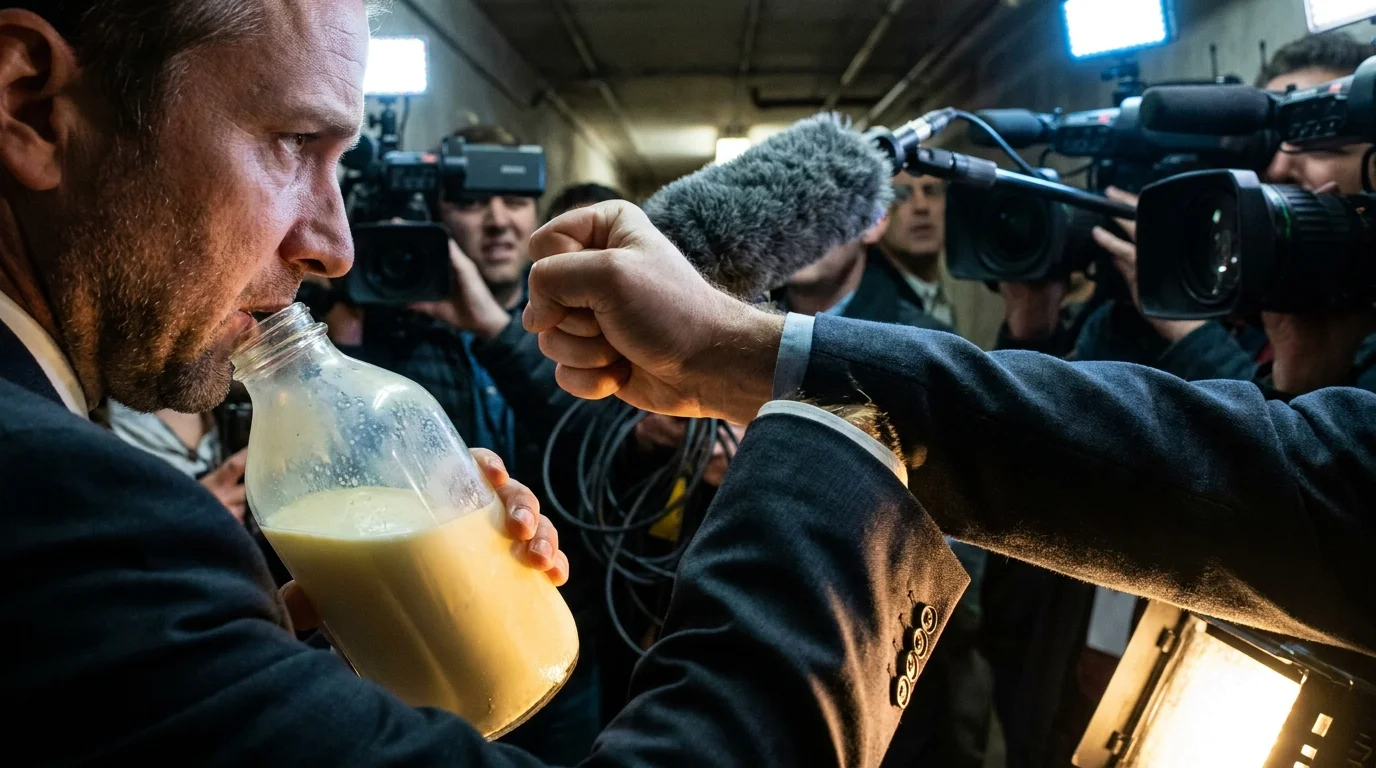
The condensation gathers along the outside of the heavy glass quart bottle before you even latch the cooler shut. Inside, a rich, pale-yellow cream cap rises toward the neck, drifting upward and settling into a thick, velvety crown against the stark white unpasteurized whole milk below. It is heavy in the palm, smelling faintly of sweet hay and cold steel, distinctly missing the flat, cooked scald that commercial heat exchangers leave behind.
For nearly a century, bringing that unheated glass jar across a farm gate and exchanging paper dollars for it was an underground enterprise. Health inspectors treated unpasteurized dairy with the same bureaucratic severity as black-market pharmaceuticals, enforcing a post-1920s consensus that drawing cold milk from raw udders directly to a family table invited reckless municipal contagion.
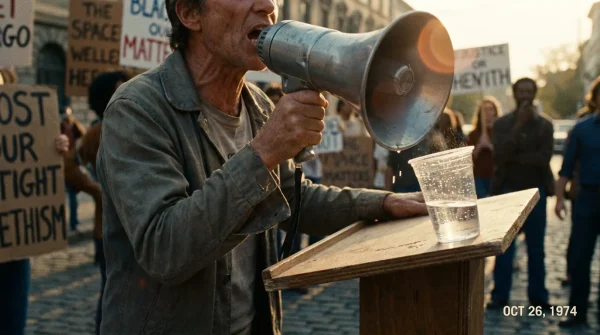
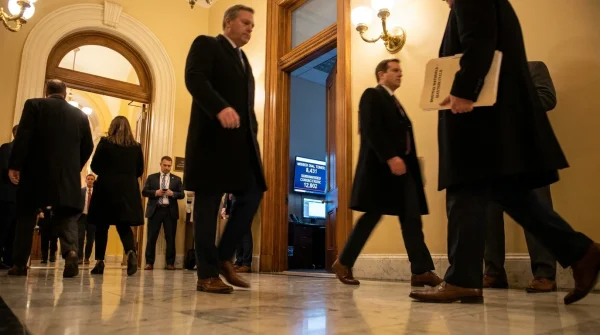
Yet over the past several legislative sessions, that fortress has split down the middle. What began as quiet homestead transactions arranged in gravel turnouts has suddenly migrated into the formal committee rooms of state capitols, carried by a potent coalition of libertarian lawmakers, independent farmers, and alternative wellness advocates.
You are now watching the quiet arrival of raw dairy distribution waivers. By legally separating state milk board oversight from private producer-to-consumer contracts, these measures are uncoupling rural trade from foundational public health statutes that have stood untouched since the New Deal era.
The Reversal of the Pasteurization Fortress
To grasp why these waivers represent such an earthquake across state milk inspection boards, you have to look past the romance of the small family farm and examine the plumbing of agricultural law. For generations, public health institutions treated pasteurization not merely as an option, but as an absolute structural barrier. It was the civic firewall separating municipal centers from tuberculosis, listeria, and brucellosis.
The traditional doctrine treated the consumer as someone needing collective protection from biological risk. The new waiver statutes flip that logic on its head through a concept borrowed from legal contract theory: informed agricultural sovereignty. Under these measures, when you sign a farm share contract or execute an on-farm distribution waiver, you legally strip the county inspector of standing to intercede on your behalf.
This is not a careless accident of deregulation. It is a calculated push that treats raw dairy like an artisanal craft rather than an industrial hazard, asserting that an individual consumer armed with personal liability waivers has the fundamental legal right to bypass agency testing protocols entirely.
- Ohio rust belt primary slates switch union endorsements away from longtime congressional incumbents
- Federal culvert drainage mandates force rural county budgets into emergency property tax spikes
- Battleground state turnout weights derail election forecasts by skipping hourly nightshift workers
- FDA food dye certification rules trap snack makers under costly laboratory spectrum tests
- New Mexico mineral leasing bills block disputed energy drilling across arid tribal basins
From Underground Mason Jars to the Statehouse Ledger
Consider the trajectory of Arthur Vance, a 52-year-old dairy operator in south-central Iowa who spent twelve years walking an administrative tightrope. For over a decade, Arthur distributed his Jersey cow milk through an informal ‘herd-share’ network, an arrangement where urban patrons technically purchased fractional ownership of his animals rather than buying milk outright to circumvent direct-sale prohibitions.
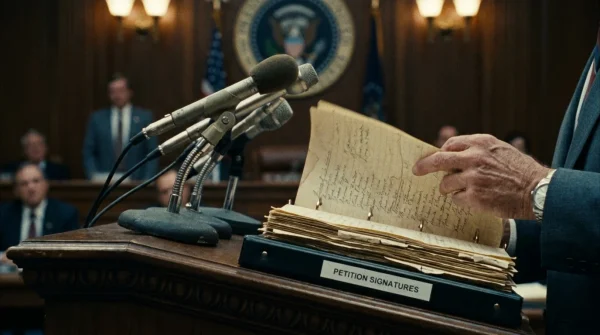
Two winters ago, an unannounced visit from state agricultural agents resulted in seized coolers, cease-and-desist warnings, and thousands of dollars in administrative fines. Instead of quietly shuttering his bottling room, Vance joined hands with a tight-knit network of regional homesteaders and property-rights attorneys. They drafted model statutory language, packed legislative hearings with insulated coolers full of fresh milk, and demonstrated to conservative budget committees that state inspection boards were actively burning taxpayer funds to police voluntary transactions between consenting adults.
Mapping the Battle Lines: How Deregulation Fractures the Dairy Aisle
The legislative rollout of raw milk waivers has not created a uniform standard. Instead, it has fractured state agricultural policy into distinctly different operational tiers, forcing you to navigate an intricate patchwork depending on your zip code.
The Direct Farm-Gate Enclave
In states adopting strict farm-gate provisions, deregulation remains closely tied to the geography of the barnyard itself. You can purchase unlimited volumes of unpasteurized milk, but commercial distribution remains strictly prohibited beyond the gravel driveway of the farm where the cows were milked. Inspectors cannot stop the sale, but commercial retailers cannot stock the product on city grocery shelves.
The Retail Exemption Model
More aggressive legislative models eliminate the farm-gate boundary entirely, permitting licensed producers to place raw milk in retail grocers under mandatory warning placards. Here, state inspection boards are legally stripped of their authority to demand batch-level pasteurization records, retaining only the power to audit refrigeration logs and label transparency.
The Herd-Share Codification
Other statehouses have chosen a middle tier by formally codifying herd-share operations into state statute. In these jurisdictions, the raw dairy distribution waiver operates as a private property deed: you own a percentage of the livestock, the farmer serves as your custodial boarding agent, and public milk boards possess zero statutory authority to sample, seize, or regulate the resulting food supply.
Mindful Sourcing: Navigating the New Frontier of Farm Gate Law
If you choose to participate in this deregulated landscape, you can no longer rely on an institutional stamp of approval from an agricultural inspector. You assume the role of your own quality assurance board, moving through farm visits with deliberate, practical discernment.
Modern raw dairy operations operating under newly enacted state waivers typically abandon industrial bulk tanks in favor of smaller, sanitary batch systems. Knowing what to verify puts the power back in your hands.
- Inspect the chilling timeline: milk must drop below 40 degrees Fahrenheit within forty-five minutes of mechanical milking to halt bacterial expansion.
- Verify test transparency: responsible waiver-exempt producers voluntarily publish monthly standard plate counts (SPC) and coliform tallies directly to their buyer rolls.
- Examine wash protocols: ask how closed milking lines are sanitized between cycles, ensuring acid rinses precede sanitation flushes.
- Evaluate herd testing: confirm the herd undergoes annual screening for bovine tuberculosis, brucellosis, and Q-fever.
Your Personal Farm-Gate Toolkit: Keep an analog dial thermometer rated from 0 to 220 degrees Fahrenheit in your vehicle glove compartment, an insulated rotomolded transport cooler, and reusable ice packs designed to hold cargo under 38 degrees Fahrenheit for the drive home.
The Architecture of Personal Risk and Food Autonomy
This statehouse wave across agricultural inspection boards reaches far past the butterfat percentage of unpasteurized cream. It reveals a profound cultural realignment around institutional authority, personal autonomy, and trust in centralized science.
For nearly a century, the public trade-off was clear: society surrendered direct agricultural connections in exchange for standardized, industrial safety. By carving distribution waivers directly into state law, lawmakers and grassroots homesteaders are signaling that a growing segment of the country wants that responsibility returned. When you reach into the cooler and pick up that heavy glass quart, you are not merely purchasing cold morning milk—you are actively stepping into an era where personal accountability displaces state oversight, one bottle at a time.
“When a statehouse deregulates the milk pail, it shifts the burden of microbial discernment from the public lab directly onto the consumer’s shoulders.”
| Key Point | Detail | Added Value for the Reader |
|---|---|---|
| Regulatory Mechanism | Statutory raw dairy distribution waivers signed at point of purchase. | Shields family farms from cease-and-desist orders while removing agency liability. |
| Safety Responsibilities | State inspection oversight replaced by self-directed farm audits. | Demands that buyers verify testing cadences and chiller specs personally. |
| Market Availability | Shifts sales from covert back-alley arrangements to legal farm-gate commerce. | Creates direct financial sustainability for small-acreage heritage dairies. |
Frequently Asked Questions
Do these waivers completely eliminate the authority of state health departments during disease outbreaks?
No. Even when state milk boards lose day-to-day commercial inspection powers, state epidemiologists retain statutory authority to quarantine herds or trace outbreaks if public health emergencies arise.How does raw milk legally cross state lines under these new state rules?
It does not. Federal interstate commerce bans enforced by the FDA still strictly prohibit transporting unpasteurized milk across state borders for commercial sale, regardless of individual statehouse exemptions.What is the single most important metric to request from an exempt producer?
Ask to see their monthly coliform count. High-standard raw dairies consistently target coliform levels under 10 colony-forming units per milliliter, demonstrating clean milking and chilling routines.Why are industrial dairy processors actively opposing these waiver bills?
Beyond public health concerns, large-scale commercial processors fear that widespread, high-profile illness outbreaks from unpasteurized milk will broadly erode consumer confidence across the entire commercial fluid milk sector.Does signing a distribution waiver eliminate my right to pursue civil damages for negligence?
Not entirely. While a waiver acknowledges your acceptance of inherent raw food risks, it generally does not protect an agricultural producer from gross negligence, such as using unpotable cleaning water or concealing known herd sickness.