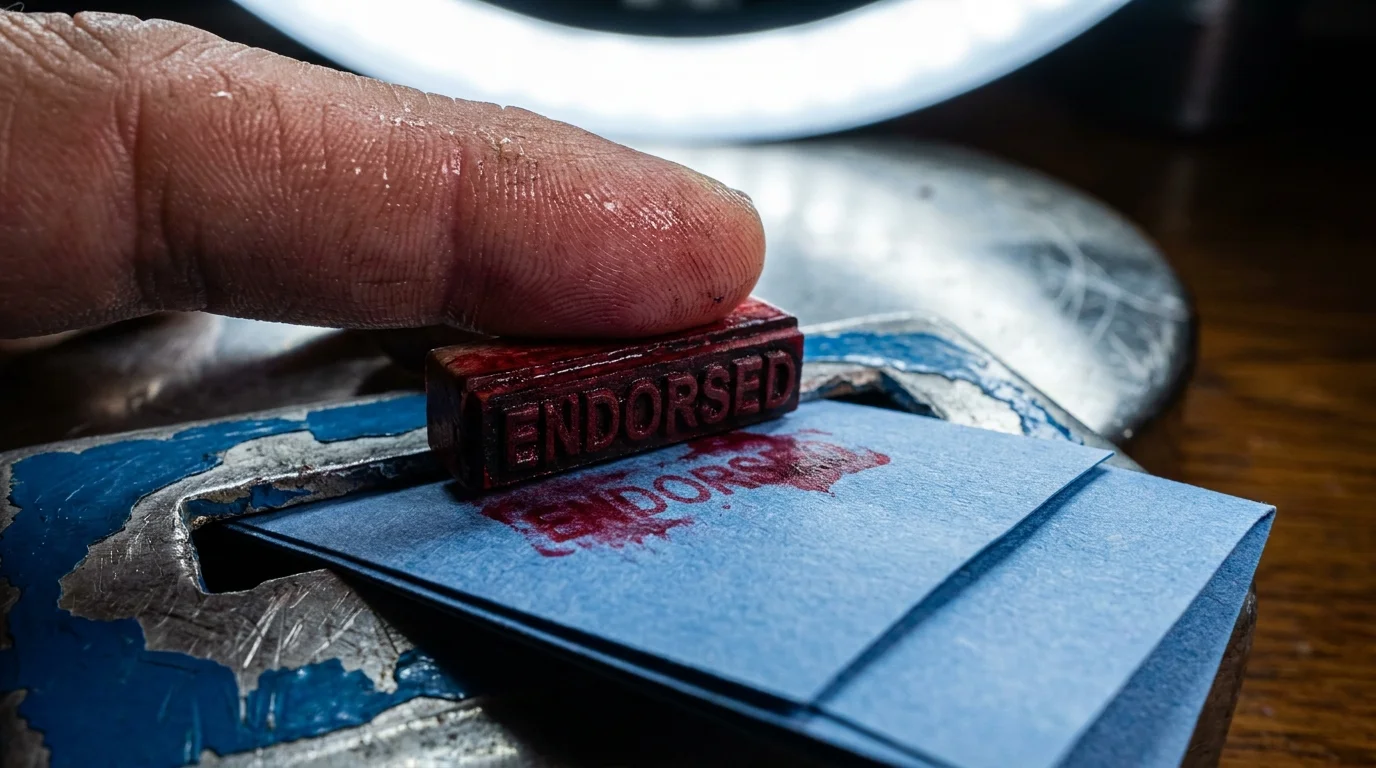
The folding chairs scrape across cracked linoleum in a union hall just outside Youngstown, competing with the hum of an aging furnace pushing scorched air against frost-patterned glass. You can smell stale drip coffee, damp wool coats, and the faint metallic tang of machine coolant brought in on work boots. In the front of the room, on a folding table older than most apprentices, sits an unpainted biscuit tin with an uneven slot punched into the lid. One by one, delegates step forward. You hear the dull, dry snap of folded blue cardstock ballots dropping into that scratched metal container, sealing an outcome Washington never saw coming.
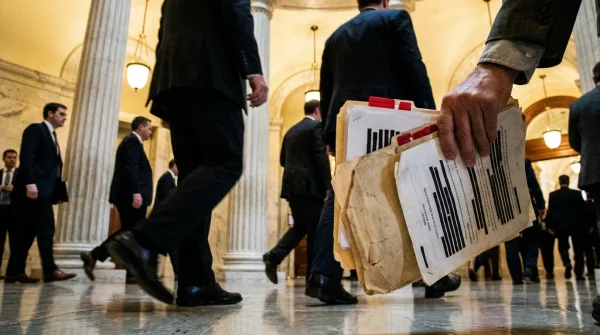
For thirty years, these regional primary votes were theatrical formalities. A senior congressman from the district would send an aide with framed commendations, a polished stump speech about middle-class values, and an unspoken expectation of immediate backing. The union brass would nod, print the official endorsement slate, and dispatch field crews to knock doors. The machine ran like an oiled lathe: quiet, predictable, and entirely insulated from the shop floor.
That arrangement collapsed this spring. Across industrial river towns from Trumbull County down through the Ohio Valley, the rank and file did not confirm their longtime representatives. Instead, delegates rejected multi-term party leaders to endorse insurgent candidates who hold no committee gavels and possess zero institutional party backing. When the ballots left that scratched tin lockbox, the safe margins protecting veteran lawmakers vanished into the cold evening air.
The Illusion of the Rubber-Stamp Seat
To understand why this split matters to your ballot, picture an ancient retaining wall built along a riverbank. From a speeding boat, the stone looks solid, moss-covered, and eternal. But beneath the waterline, decades of heavy silt have carved out deep fissures. That is what happened between incumbent politicians and local union delegates. Longtime lawmakers treated organized labor like an inherited direct deposit, assuming national legislative seniority was enough to buy unquestioned grassroots loyalty.
The delegates finally stopped looking at committee titles and started looking at their own retirement checks. Grassroots labor delegates pulled funding not out of ideological spite, but because the gap between legislative promises and factory floor survival grew too wide to ignore. Insurgents realized that while national union federations might play access politics in DC, local straw polls are governed by raw economic anxiety: pension preservation, plant survival, and unyielding opposition to plant-closing loopholes.
- Federal culvert drainage mandates force rural county budgets into emergency property tax spikes
- Battleground state turnout weights derail election forecasts by skipping hourly nightshift workers
- FDA food dye certification rules trap snack makers under costly laboratory spectrum tests
- New Mexico mineral leasing bills block disputed energy drilling across arid tribal basins
- Caroline Sunshine debate panels trigger fierce television clashes over executive media credentials
The Steward from Lordstown
Greg Kovach, a 54-year-old boilermaker and third-generation shop steward from Lordstown, spent two decades raising his hand for whoever the county central committee recommended. He watched friends lose their healthcare after regional stamping plants shuttered, and he sat through countless town halls where incumbent politicians offered polite sympathy coupled with corporate tax breaks that yielded zero regional jobs. During the January endorsement meeting, Greg stood up before three hundred delegates and set aside the pre-printed resolution sheet.
Instead of reading the leadership-approved endorsement, Greg read the exact language of a binding local pension defense pledge drafted by an unendorsed challenger—a former pipefitter who had spent the winter hosting meetings in fire halls instead of fundraising at steak houses. The challenger did not promise grand federal overhauls; he signed an irrevocable pledge to oppose any federal budget or judicial nominee that undermined multi-employer pension solvency. By midnight, Kovach and the floor delegates had reversed the district slate by an eighty-vote margin, handing an unbacked candidate the volunteer ground force that decides close elections.
Fault Lines on the Industrial Ballot
The fracture tearing through Ohio’s industrial primary slates is not a simple generational spat. It represents a functional division between two competing ideas of political survival. Recognizing these lines helps you understand who truly controls your local ballot.
The Legacy Incumbents: Seniority as Leverage
Tenured lawmakers argue that committee chairs, federal appropriations pull, and decades of party seniority cannot be replaced by raw enthusiasm. They point to federal funding packages and infrastructure money awarded to county governments. Yet to workers who watched those dollars get funneled into corporate development authorities while wage floors remained stagnant, that institutional influence feels detached and cosmetic.
The Insurgent Floor Marshals: Hyper-Local Leverage
The unbacked candidates rely on single-issue accountability. They are not beholden to national political action committees, which allows them to attack the status quo with language that matches the anger in the union halls. Industrial district primary rebellions show that when economic pain becomes acute, working voters would rather gamble on a hardline newcomer with nothing to lose than trust an incumbent who treats them as a demographic baseline.
How to Audit Your Local Primary Slate
When primary season hits your mailbox, national media will frame the race around national talking points. To see where power is actually flowing, you need to read the regional signals like a labor organizer auditing an endorsement card.
- Inspect the physical slate card: Check whether candidate names carry the stamp of individual union locals or just a broad, generic coalition logo. Disconnect between local chapters and regional councils indicates an active floor rebellion.
- Monitor campaign finance filings for small-dollar field transfers: Look at quarterly FEC filings to see if individual union political action funds are withholding direct candidate contributions while spending money independently on member education drives.
- Track union hall straw poll tallies: Follow local newspaper beat reporters covering county central committee meetings rather than national cable broadcasts. The real margins are revealed in local delegation hall straw votes, not high-level television panels.
- Evaluate the pension and wage pledge language: Notice whether a candidate speaks in broad rhetoric about economic dignity or signs specific, enforceable district commitments regarding local manufacturing protections.
The Real Cost of Political Inertia
When you look past the noise of campaign ads and focus on those folded blue ballots dropping into a dented tin box, you see something fundamentally encouraging. It is easy to feel that American elections are scripted in distant boardrooms, decided by algorithms and billionaire-backed media buys. But the revolt quietly unfolding across Ohio’s industrial corridor proves that the machinery still relies on human hands.
When regular people decide that their survival matters more than party etiquette, political math breaks down. Incumbents who believed they were safe because of their institutional resumes are waking up to find their field army has vanished. Regardless of how the final November tally lands, the working floor has reset the terms of engagement: your vote is never an inheritance, and loyalty must be earned at the ballot box every single cycle.
“A representative who assumes your support is guaranteed has already forgotten who signs their paycheck.”
| Key Point | Detail | Added Value for the Reader |
|---|---|---|
| Endorsement Ruptures | Local union chapters break with national endorsements to back grassroots challengers. | Identifies early vulnerabilities in tenured seats long before mainstream polls show movement. |
| Pension Defense Pledges | Insurgents capture rank-and-file trust using narrow, legally binding local economic pledges. | Reveals how hyper-specific policy commitments trump broad partisan talking points on the trail. |
| Loss of Ground Volunteers | Incumbents lose the doorstep canvassing and phone-banking infrastructure that wins close primaries. | Explains why wealthy campaigns can suddenly collapse in low-turnout spring elections. |
Frequently Asked Questions
What does it mean when a union local splits from its national endorsement?
It indicates that rank-and-file delegates used their chapter bylaws to endorse a different candidate than the national leadership, directly redirecting local volunteer hours and grassroots outreach away from the establishment favorite.Can an incumbent win without local labor slate support in the Rust Belt?
While an incumbent can rely on heavy television advertising and deep party bank accounts, winning without organized labor’s precinct ground game is remarkably difficult in low-turnout industrial primaries where dedicated voters decide the outcome.Why are multi-employer pensions such a decisive endorsement issue?
Pensions represent decades of deferred wages. If a lawmaker fails to secure those funds against corporate bankruptcy or market volatility, workers view that inaction as a personal, catastrophic financial betrayal.How do insurgent candidates qualify for union hall straw polls?
Candidates typically must be nominated from the floor by a credentialed delegate in good standing and agree to complete detailed legislative questionnaires on labor law and district economic survival.How does this shift affect general election voter turnout?
If union members feel their endorsement process was genuinely democratic, turnout spikes; if they feel national leaders overruled their local vote, many working-class voters stay home or split their tickets across party lines.