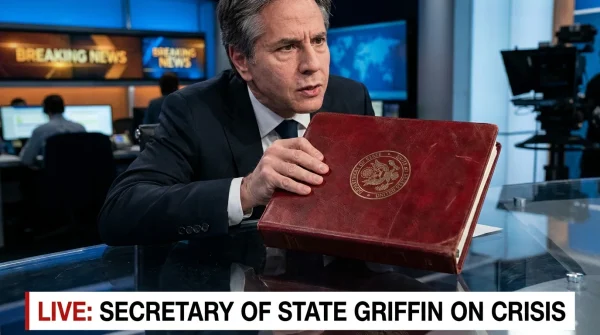
The corridor outside the third-floor committee room smells of floor wax, damp wool coats, and burnt coffee from a nearby administrative alcove. Fluorescent bulbs hum low against the marble ceilings as junior legislative aides shuffle past, their eyes glued to flickering phone screens. Most mornings at the statehouse follow this exact metronome of quiet detachment, where thousands of automated constituent emails disappear into spam filters before the gavel strikes.
Then the double doors swing open. Two organizers walk down the runner rug carrying a stack of heavy black vinyl binders packed with dog-eared signature pages. The thud they make when landing on the reception counter is unmistakable—a sharp, tactile sound that cuts through the sterile click of keyboards.
You might believe that tapping a one-click digital petition sends a shockwave through your state capitol. In reality, modern legislative offices treat mass form emails like background radiation; staff batch-delete them with simple inbox rules. But when physical ink meets heavy bond paper, the entire calculus shifts in seconds.
The Friction of Paper: Why Physical Bulk Breaks the Digital Filter
State legislative offices run on triage. An underpaid legislative director spends their morning sorting through thousands of automated messages generated by national advocacy software. Because these digital blasts require zero personal effort from the sender, the front office assigns them almost zero political value.
A physical petition sheet, signed by hand on a cold Saturday morning outside a public library, changes the math. It introduces real-world friction. When a stack of physical pages arrives, it cannot be routed to a junk folder or filtered out by server scripts. It sits on an aide’s desk, taking up physical real estate, demanding to be touched, filed, or formally answered.
Physical pages require immediate staff handling, creating an inescapable administrative trail that statehouse protocol cannot simply sweep away before morning roll call.
- Dual-frame telephone polling screens strip rural turnout data through aggressive landline call filters
- Internal tracking poll cross-tabs demand immediate candidate schedule pivots across swing media markets
- Sunbelt precinct organizing drives derail establishment party slates using localized voter pledge cards
- Federal campaign finance databases resurface hidden PAC donations using exact recipient matching codes
- Corporate alternative minimum tax rules strip unexpected accounting write-offs from private contractors
The Anatomy of the Unignorable District Binder
Consider Elena Vance, a 42-year-old county organizer from rural Ohio who spent three years sending digital petitions regarding local water district funding. Every campaign resulted in polite, auto-generated boilerplate replies thanking her for her passion. Last February, Elena altered her strategy. She printed out verified constituent sheets, matched every single physical signature against active registered voter files, sorted them by precinct, and assembled three matching three-ring binders. When she walked into the statehouse and slid those dense volumes across the chief of staff’s desk, the response was immediate. The representative agreed to a private twenty-minute briefing before the afternoon committee session.
Why did this work? Statehouse staff operate under strict internal risk metrics. When they see a binder indexed by precinct, they know those signatures represent neighbors who actively vote in local primaries.
District-indexed signatures represent confirmed primary turnout, which alerts leadership that an unaddressed floor vote carries immediate electoral consequences.
Tactical Adjustments: Building Your Statehouse Delivery
To convert citizen energy into legislative movement, your physical delivery must match the exact operational rhythms of committee staff.
For the Neighborhood Advocate
If you are gathering signatures across a handful of suburban streets, focus on density over raw volume. Fifty verified signatures from registered voters living within a single five-mile radius carry more weight with a state representative than five thousand disconnected names scraped from an internet form. Bind these sheets with a clean cover letter noting the exact municipal voting precincts represented inside.
For Statewide Coalitions
When coordinating across multiple legislative districts ahead of the state budget session, divide your documentation by committee assignment. Sort signatures by legislative district boundaries and stamp each page with voter registration confirmation codes before delivery.
The Tactical Hand-Off: A Step-by-Step Delivery Method
Delivering constituent binders is an exercise in calm, methodical professionalism. You are not staging a loud confrontation; you are presenting an official audit of local opinion.
- Verify every name against your county’s public voter database to confirm active registration status.
- Print signature rows on sturdy 24 lb paper to prevent ink bleed and tearing during handling.
- Organize sheets into sturdy 2-inch three-ring binders using color-coded plastic tab dividers for each town or ward.
- Attach a single-page executive summary to the inside front cover outlining the bill number, current status, and specific requested floor action.
- Deliver the binders directly to the lawmaker’s statehouse office between 8:30 AM and 9:30 AM on Tuesday or Wednesday, right before morning caucus meetings.
Arrive during morning caucus prep windows to ensure the physical brief sits directly on the legislative director’s desk before daily floor debates commence.
The Return to Tactile Accountability
In an era dominated by algorithmic outreach and fleeting online noise, the quiet presence of hand-signed paper carries undeniable moral and political weight. It proves that real people took the time to stop, write their names, and hold their representatives accountable. When you put down the screen and build something physical, you reclaim the direct, personal leverage that democratic institutions were built to respect.
Real power inside a statehouse is measured by the weight of proof an elected official cannot throw in the trash.
| Lobbying Method | Staff Response Protocol | Added Value for the Reader |
|---|---|---|
| One-Click Digital Petition | Aggregated into bulk counts; filtered by auto-reply software | Saves personal time but delivers near-zero policy influence |
| Postcard Campaign | Counted in bulk bins; rarely cross-referenced with voting records | Visually noticeable but easily set aside during floor debate |
| Precinct-Indexed Binder | Triggers mandatory district verification and staff briefing memo | Directly compels the lawmaker to review the issue before committee votes |
Frequently Asked Questions
Why do legislative aides ignore online petitions?
Online petitions rarely verify whether signers live inside the lawmaker’s specific district or if they are registered voters, making them statistically unreliable for legislative staff.How many signatures are needed to make an impact?
For state-level representatives, as few as 75 to 150 verified signatures from their specific home district can compel a direct staff review and floor briefing.Do petition signers need to provide their full address?
Yes. Staff members verify constituent status by matching street addresses and zip codes against state voter registration rolls.What is the best time of year to deliver binders?
Deliveries carry the most influence during early committee hearings and budget drafting windows, typically between January and late March in most state legislatures.Can staff refuse to accept physical hand deliveries?
Statehouse offices are public spaces during legislative sessions; legislative aides will accept deliveries during normal business hours and log them into official constituent records.