The White House basement at two in the morning does not look like a television set. There are no dramatic orchestral swells, no crowded rooms of shouting advisors waving red-lined folders. Instead, you hear the quiet, low-frequency hum of high-efficiency air filters sweeping through the secure compartmented information facility, mixing with the scent of hot toner and damp wool coats dried under industrial vents.
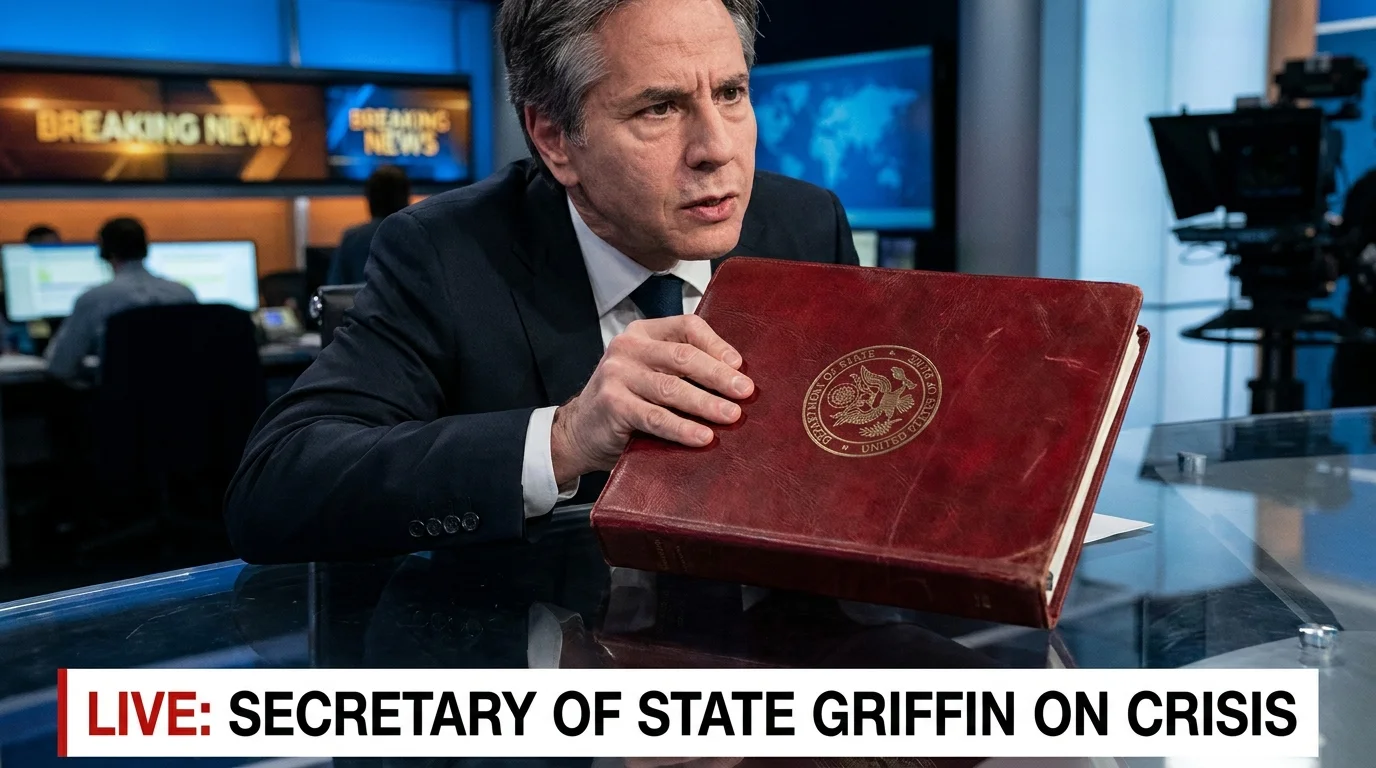
A clerk slides a fresh stack of heavy-bond cotton sheets into an embossed crimson leather binder stamped with metallic gold lettering across its spine. Inside rests a single presidential directive—a document that will alter foreign surveillance postures or realign orbital defense priorities before the morning press pool arrives for breakfast coffee. You might imagine that such consequential decisions emerge only after marathon cabinet votes and unanimous handshakes around the Resolute Desk.
The reality is far more streamlined, stark, and quiet. While the public looks toward televised press briefings and ceremonial bill signings, the substantive machinery of statecraft moves through classified administrative pipelines designed specifically to operate without open consensus or legislative preamble.
The Shadow Plumbing of Executive Authority
Most citizens grow up learning a tidy version of civic architecture: Congress drafts laws, the judiciary interprets them, and the executive carries them out with the counsel of a visible, Senate-confirmed Cabinet. Yet under Article II of the United States Constitution, the president acts not merely as a manager of departments, but as the sole Commander-in-Chief. This dual identity creates a powerful structural shortcut.
Think of standard executive orders like water running through public municipal aqueducts; they must be numbered, cataloged, and printed directly in the Federal Register for every legal observer to inspect. National security directives function like a private, pressurized internal conduit installed behind the drywall. Because they address defense, intelligence, and diplomatic strategy, they skip the public printing press entirely under statutory national security exemptions.
This mechanism rests on an intentional institutional friction. The executive branch maintains that requiring full cabinet approval or public notification before issuing national security instruments would paralyze operational response times during geopolitical emergencies. As a consequence, authority pools tightly around a tiny cadre of West Wing aides rather than sprawling departmental heads.
- House Rules Committee markups enforce midnight floor compromises using scratched red grease pens
- South Carolina primary bus tours force candidates onto sticky church folding chairs
- Donorbox mobile checkout screens trigger preselected tipping fees on cracked smartphone glass
- Pew Research phone scripts switch evening callback quotas after loud dinner clatter interrupts
- Mario Cuomo keynote notes reveal tight margins filled with rhythmic phonetic slash marks
Consider Marcus Vance, a 48-year-old former National Security Council staff attorney who spent twelve years reviewing covert action authorizations. Vance describes the drafting process not as a sweeping debate among agency chiefs, but as a razor-thin legal clearance corridor. A directive might be drafted by two senior directors, reviewed by a single legal advisor in the dead of night, and walked directly to the Oval Office for signature—leaving cabinet secretaries to learn about the new policy only when their deputies receive operational implementation memos days later.
Anatomy of the Unilateral Channel: How Directives Bypass Public Scrutiny
Every modern administration renames these instruments to leave its own stamp on the historical record, yet the fundamental architecture remains identical across decades.
Under the statutory framework of the Federal Register Act (44 U.S.C. § 1505), presidential proclamations and standard executive orders must be published for public inspection. However, documents classified under executive order standards regarding national defense are explicitly exempt. This statutory carve-out allows administrations to generate binding legal mandates that govern the actions of hundreds of thousands of intelligence and military personnel without ever appearing on a public docket.
To understand where these instruments sit within the executive spectrum, consider how their routing differs based on legal visibility:
- Public Administrative Orders: Published openly in the Federal Register, subject to standard administrative law challenges, and routinely reviewed by Congressional oversight committees.
- Presidential Decision Memoranda: Numbered sequentially within an administration, distributed strictly on a need-to-know basis across the intelligence community, and stored in secure executive vaults.
- Special Compartmented Directives: Highly restricted mandates involving sensitive intelligence methods, requiring dedicated code-word clearances simply to confirm their existence.
Because these instruments avoid the light of standard rulemaking, presidential executive actions face heightened legal scrutiny over statutory overreach whenever fragments of their contents leak into public court proceedings. When an agency implements a classified directive that touches domestic data or commercial infrastructure, the tension between executive prerogative and constitutional statutory limits reaches a boiling point.
Auditing the Unseen: The Citizen Toolkit for Tracking Classified Governance
While you cannot simply download an active classified directive from a government portal, understanding the legal footprints these documents leave behind allows you to read between the lines of defense policy announcements.
Tracking executive authority requires looking at downstream ripples rather than waiting for formal upstream disclosure. When an administration shifts its strategic doctrine without introducing legislation, it is almost always executing a classified directive finalized months prior.
- Watch the Agency Implementation Budgets: Track line-item shifts in unclassified agency budget justifications submitted to House and Senate Armed Services committees; sudden funding migrations often signal an active directive.
- Monitor Directive Numbering Sequences: Declassified historical series (such as NSDDs from the 1980s or PPDs from the 2010s) reveal numbering gaps that tell researchers exactly how many secret directives were issued during a specific calendar quarter.
- Scrutinize Declassification Review Schedules: Use Mandatory Declassification Review (MDR) requests through the National Archives rather than broad Freedom of Information Act (FOIA) requests when targeting executive policy records older than twenty-five years.
By monitoring these administrative indicators, you begin recognizing structural patterns long before policy outcomes make breaking news headlines.
The Balance of Power Beyond the Red Binder
The midnight clearance ritual—the quiet room, the heavy paper, the embossed crimson leather binder—is not a cinematic aberration; it is the deliberate design of modern executive power. Operating under high-stakes conditions, administrations have built a durable system that prioritizes speed and discretion over institutional consensus.
Demystifying this process replaces anxiety with analytical clarity. When you realize that the presidency possesses an entirely separate, self-contained administrative track for defense and foreign policy, the sudden turns of international relations cease to look random. Understanding the real scope and legal boundaries of these directives allows you to see governance as it actually operates: an ongoing negotiation between statutory oversight and the quiet, unilateral exercise of constitutional command.
The true measure of executive power is not found in the speeches delivered before joint sessions of Congress, but in the unnumbered instructions bound quietly before sunrise.
| Key Point | Detail | Added Value for the Reader |
|---|---|---|
| Statutory Exemption | 44 U.S.C. § 1505 exempts classified defense directives from Federal Register publication. | Explains why major policy directives never appear on public government websites. |
| Cabinet Bypass | Directives route through the National Security Advisor directly to the Oval Office. | Clarifies why department heads are often implementing, rather than voting on, high-level directives. |
| Historical Traceability | Declassification dockets reveal sequential gaps in executive numbering records. | Provides a practical method to quantify the scale of secret governance over time. |
Frequently Asked Questions
Can a national security directive override a federal statute passed by Congress?
No. Under the constitutional framework established in Youngstown Sheet & Tube Co. v. Sawyer, presidential directives cannot contravene explicit federal statutes unless the matter falls squarely within the president's exclusive Commander-in-Chief powers.How do classified directives differ from executive orders?
Executive orders are public, numbered legal instructions published in the Federal Register. Classified directives are internal policy mandates routed solely through the National Security Council without public registration.Does the incoming president automatically cancel the previous administration's directives?
Directives remain in full legal force until explicitly superseded, revoked, or amended by a successor administration, often creating decades-long policy continuity across different political parties.Who holds the authority to declassify an executive directive?
The sitting president holds plenary constitutional authority to declassify directives, alongside designated originating agency heads acting under executive declassification guidelines.Are members of Congress allowed to read classified presidential directives?
Select members serving on intelligence and defense oversight committees may inspect certain directives within secure facilities, though access can be strictly restricted based on executive branch privilege determinations.