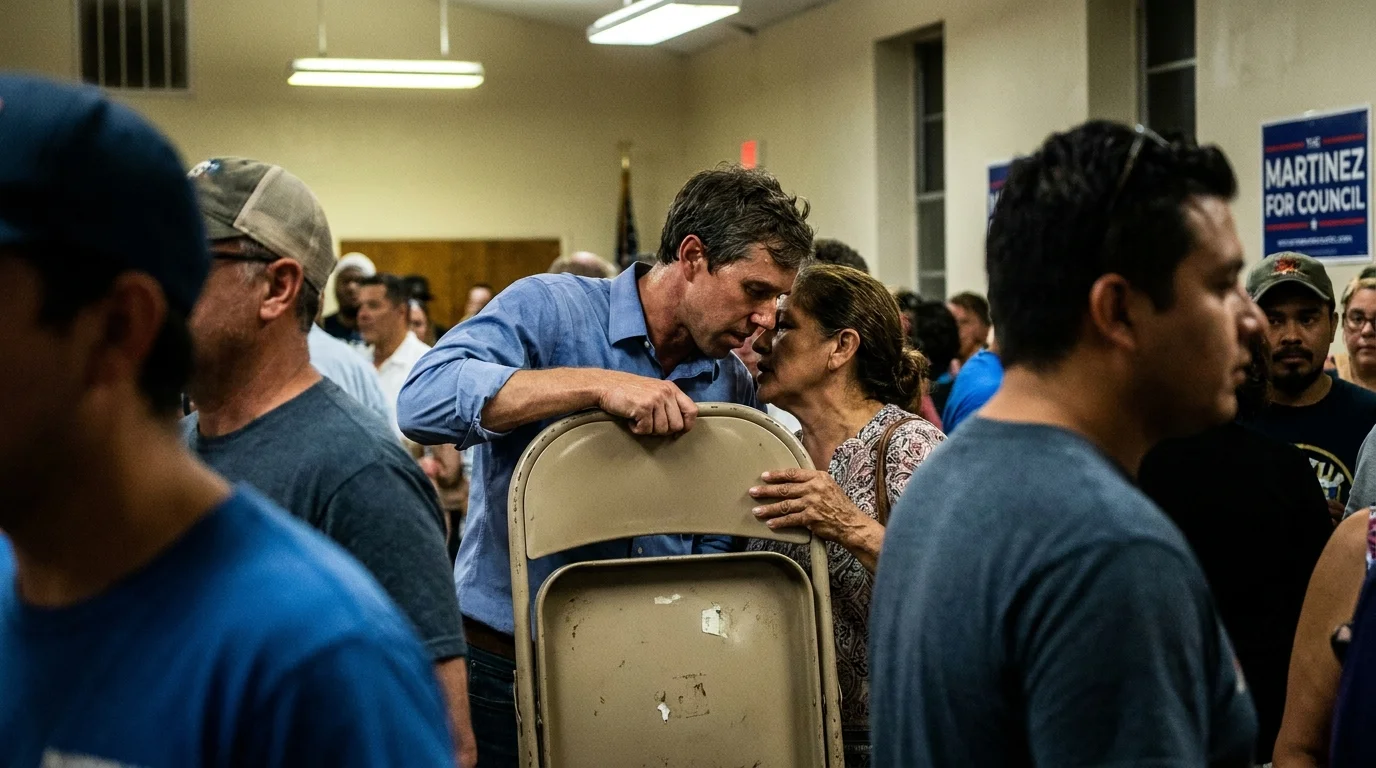
The diesel engine of a forty-five-foot chartered coach rumbles outside a red-brick church in Orangeburg County, sending a faint vibration through the stained-glass windows. Inside, the air carries the unmistakable scent of lemon floor wax, slow-simmered barbecue sauce, and sweet tea sweating in plastic pitchers. There are no teleprompters here, no stage risers, and no lighting rigs calibrated to soften a tired jawline.
Instead, a sticky metal folding chair scuffs across the polished hardwood floor of the fellowship hall. When you pull up a seat in a room like this, you are sitting knee-to-knee with neighbors who have vetted presidential hopefuls for four decades. The fluorescent lights overhead hum with quiet indifference, stripping away every layer of television polish.
National political commentary often treats modern campaigns as airborne wars fought entirely through algorithmic ad buys, viral vertical video clips, and nine-figure digital war chests. Yet when the primary calendar winds through the backroads of the Palmetto State, all that expensive data modeling runs headfirst into an inescapable physical test: surviving eighty minutes of direct, unfiltered eye contact with twenty-five church elders.
This is where campaigns either find their footing or quietly unravel before Super Tuesday ever arrives.
The Fellowship Hall Litmus Test: Why Algorithms Fail in Retail Rooms
High-altitude advertising functions like an airstrike; it creates broad awareness, but it cannot capture terrain. When a candidate steps off the bus and enters a community center basement in Florence or Aiken, the power dynamic instantly flips. In national debates, candidates control their pauses and pivot away from uncomfortable questions with rehearsed soundbites. In an early primary hall, the room dictates the pace.
If a speaker fails to read the subtle body language of a deacon nodding in skepticism, the room turns cold instantly. A rehearsed policy memo delivered without emotional cadence sounds hollow against bare wood and cinderblock. Voters in early nominating states do not judge a candidate by their polish; they judge them by how they handle friction.
- Donorbox mobile checkout screens trigger preselected tipping fees on cracked smartphone glass
- Pew Research phone scripts switch evening callback quotas after loud dinner clatter interrupts
- Mario Cuomo keynote notes reveal tight margins filled with rhythmic phonetic slash marks
- DOJ election monitors in Wyoming enforce sudden Republican leadership pivots on federal oversight
- Ohio governor race debates derail suburban party coalitions over disputed local property levies
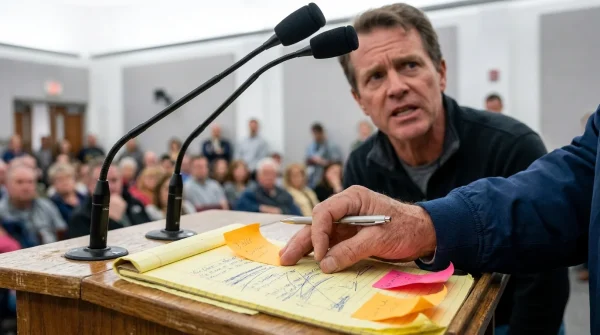
Consider Clara Evans, a 64-year-old retired municipal clerk from Sumter who has hosted candidate drop-ins across four election cycles. She watches how a candidate holds their paper plate while balancing a foam cup of punch, noting whether they look for a staffer to take it or walk it over to the trash bin themselves. Clara once watched an Ivy League-educated frontrunner lose a precinct endorsement in five minutes simply because he checked his watch twice while an eighty-year-old choir director asked about rural clinic closures.
The Three Campaign Personalities Tested on the Trail
Watching candidates navigate small-town venues reveals clear archetypes. Each faces a unique hurdle when forced into close quarters with everyday voters.
1. The Scripted Policy Wonk
This candidate arrives with binder-ready white papers and statistical breakdowns for every question. While their command of legislative minutiae is undeniable, they struggle when an answer requires emotional solidarity rather than programmatic data. In tight spaces, an over-reliance on metrics feels defensive.
2. The National Media Phenom
Accustomed to cable news hits and roaring stadium rallies, this contender feeds off crowd energy and sweeping rhetoric. However, when placed in a half-empty hall with eighteen undecided voters, grandiose applause lines fall flat. They must learn to speak at a conversational decibel without sounding theatrical.
3. The Grassroots Veteran
This candidate may lack nationwide name recognition, but they understand the rhythm of church social halls and union lodges. They lean forward, ask more questions than they answer, and remember family names between campaign stops. Their challenge is translating that high-touch retail mastery into broad momentum before resources run thin.
The Ground-Level Litmus Test: How to Evaluate Candidate Authenticity
Evaluating political leadership from a distance often leaves you guessing about temperament. When you observe a campaign during its early retail phase, specific micro-behaviors signal whether a candidate possesses real operational discipline.
- Unscripted Recovery Time: Note how many seconds it takes for a candidate to recover when an audience member pushes back on a standard talking point.
- Staff Interaction Dynamic: Watch how the candidate treats advance staffers, local venue volunteers, and audio technicians when cameras are pointed elsewhere.
- Direct Question Density: Track whether their answers address the specific scenario raised or retreat into generic national slogans.
- Physical Engagement: Look for natural body language—leaning in, maintaining eye contact, and respecting personal space without performative gestures.
The Tactical Toolkit of Early Primary Vetting:
- Q&A Ratio: Strong candidates spend at least 40% of room time listening rather than lecturing.
- The Buffer Distance: Notice if campaign aides create a protective wall of clipboards or let voters speak directly.
- Local Specificity: A candidate who references local road numbers, school districts, and county landmarks has actually prepared for the community.
The Real Purpose of the Early Primary Gauntlet
It is easy to dismiss retail campaigning as an antiquated relic of an earlier century. In an era where a single digital broadcast can reach ten million viewers in thirty seconds, hauling a motorcoach down secondary highways to speak with fifty people seems inefficient on paper.
Yet that deliberate friction is precisely why early primary sequencing remains vital. The process is designed to break through media staging. A candidate who cannot survive a difficult question on a sticky folding chair in a humid church hall will crumble under the sustained pressure of the general election. By demanding face-to-face accountability, early state voters perform an invaluable public service: they strip away the production budget to reveal the person underneath.
The true measure of a leader is never taken behind a teleprompter; it is revealed in the quiet silence between a constituent’s question and an honest answer.
| Vetting Factor | Television & Digital Campaigning | Early State Retail Primary |
|---|---|---|
| Message Control | Heavily curated scripts and digital editing. | Spontaneous, unscripted constituent questioning. |
| Voter Engagement | Passive consumption through screens. | Direct physical presence and immediate follow-ups. |
| Candidate Filter | Favors high fundraising and media charisma. | Exposes lack of stamina, empathy, and agility. |
Frequently Asked Questions
Why do South Carolina and early primary states hold so much influence?
Early voting states narrow the candidate field by testing organizational infrastructure, grassroots appeal, and candidate resilience before nationwide voting begins on Super Tuesday.Does digital advertising reduce the need for retail campaign stops?
While digital ads build broad name awareness, direct constituent engagement in early states remains critical for earning earned media, grassroots endorsements, and local trust.How do small venue stops expose candidate weaknesses?
Without teleprompters or stage separation, candidates cannot rely on canned applause or talking points, forcing them to demonstrate genuine policy grasp and emotional intelligence.What role do church fellowship halls play in regional politics?
Faith communities and fellowship halls serve as trusted civic hubs where multi-generational voters gather to evaluate leaders on character, values, and community commitment.How can average voters spot an authentic campaign performance?
Watch how candidates handle unscripted pushback, whether they listen attentively to local concerns, and how naturally they interact with venue staff outside the media spotlight.