A fluorescent tube hums somewhere above a row of gray laminate desks in a basement office beneath the state capitol dome. You can hear the low rattle of a radiator pipe fighting winter drafts, but that sound gets swallowed the moment the phone banks start blinking amber. When the line rings, nobody types into a sleek constituent database. Instead, a young staffer reaches for a cheap, green-tinted spiral-bound steno pad filled with hurried black ballpoint tally scratches.
You might picture modern legislative offices as high-tech command centers where automated systems parse citizen feedback into real-time analytics. In reality, state-level governance operates on scarce budgets, frantic schedules, and raw physical friction. When three phones ring at once, a legislative aide cannot log into a complex software dashboard; they grab whatever pen is within arm’s reach and slash a four-bar gate with a diagonal strike across the paper.
That humble tick mark carries an authority that thousands of digital petition clicks never will. While web campaigns disappear into server-side filters, a ringing handset stops physical work. It forces a human being to pick up the receiver, write down a street address, and look at a mounting column of ink that cannot be archived with a single swipe.
The Digital Illusion Versus the Physical Desk
Most citizens believe sending a pre-written form letter through an advocacy website creates meaningful pressure on their representative. What actually happens is far more mundane: constituent relationship software pools those identical subject lines, bundles forty thousand messages into a single statistical row, and archives them with an automated receipt. Digital noise is easily filed away because it demands zero physical labor from the people drafting the laws.
A ringing telephone, however, is a physical blockade. State legislative staffers often work solo or in pairs, balancing committee briefing folders, constituent casework, and calendar scheduling simultaneously. When fifteen calls hit that desk within a single hour, normal operations collapse. The aide cannot prepare the lawmaker for an upcoming committee markup while simultaneously juggling incoming lines. The tally sheet stops being a passive record and becomes an urgent problem that demands immediate resolution.
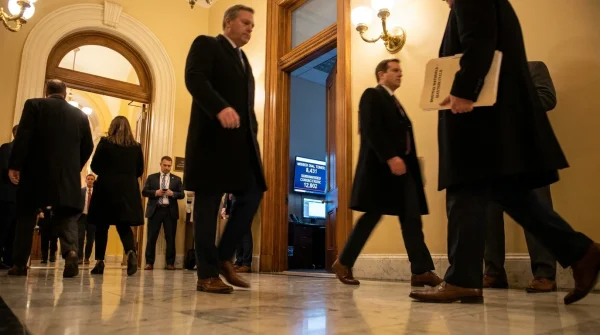
Marcus Vance, a twenty-six-year-old legislative aide in the Ohio Statehouse, knows that breaking point intimately. Last spring, during a heated debate over local school utility subsidies, Marcus watched his office desk disappear under an avalanche of three-ring binders while his desk phone rang continuously for ninety minutes straight. By the time he filled his third steno page with tally marks, he had to physically walk onto the chamber floor, interrupt his representative mid-conversation, and hand him a handwritten note that read: District 14 is on fire over line 42—we are at eighty-four calls since 9:00 AM. That single scrap of paper paused the lawmaker’s vote before the afternoon roll call.
- Political billboard contracts switch roadside placements to trap commuters in slow traffic
- Supreme Court mail ballot rulings derail late envelope deadlines across competitive county boards
- Social Security COLA formulas demand Chained CPI cuts stripping monthly grocery checks
- Ed Markey primary challengers resurfaced veteran congressional votes sparking heated union splits
- United States Attorney appointments switch Senate battle lines over swift federal oversight
Tailoring Your Direct Action for Maximum Impact
Understanding how office mechanics work allows you to adapt your approach depending on your group’s size and schedule. When you align your communication style with the physical rhythm of a legislative session, your message cuts through the noise.
For the Solitary Constituent: You do not need a massive crowd to make a visible dent on a sleepy Tuesday morning. Calling between 8:15 AM and 8:45 AM catches aides before committee hearings begin, giving you an uninterrupted minute to clearly state your full street address and your explicit request on a specific bill number.
For Grassroots Organizers: The standard instinct is to blast an email list with an urgent link to an online petition. Instead, organize your supporters into a staggered calling queue. Coordinating fifteen calls within sixty minutes creates an operational logjam that forces staff to create an active tally sheet for that specific morning briefing.
For Working Advocates: If your work schedule prevents daytime calling, leave a concise voicemail at precisely 5:15 PM. Staffers routinely clear the digital inbox first thing in the morning, manually transcribing each recorded message onto that day’s intake sheet before the member walks through the door.
Executing the Tally Sheet Protocol
To ensure your call registers as a verified constituent tally mark rather than background chatter, keep your delivery crisp, calm, and grounded in your local geography. Staffers are trained to filter out out-of-district callers within the first ten seconds.
- Anchor your geography immediately: Open with your exact home address and zip code before stating your opinion so the aide knows you hold voting power in their district.
- Cite the specific bill identifier: Use the chamber numbering (such as HB 104 or SB 22) rather than the informal media nickname of the legislation.
- Deliver a single clear sentence: State whether you want the lawmaker to vote yes, vote no, or introduce an amendment during committee markup.
- Do not debate the staffer: The aide answering the phone rarely holds personal policy influence; their sole job at that moment is accurately recording your stance on paper.
- Request a written response: Asking for the representative’s official position in writing prompts the staffer to formally register your name in the constituent mail log.
The Legislative Action Toolkit: Keep your speaking time under ninety seconds to keep lines clear for fellow constituents. Target your outreach between 9:00 AM and 11:30 AM on committee meeting days, which is when legislative aides compile their morning priority briefs for the member.
The Tangible Power of Unfiltered Local Voice
In an era dominated by algorithmic outreach and synthetic campaigns, there is an unexpected beauty in how fragile statehouse operations remain. Real legislative influence does not require expensive consulting firms or polished media buys. It relies on the deliberate, focused friction of ordinary neighbors claiming space on an aide’s notebook.
When you pick up the phone, you are not merely registering a data point in a forgotten spreadsheet. You are creating a physical demand on someone’s time, placing ink on paper, and forcing a direct conversation between the people who live with the law and the individuals who write it.
“A printed petition is a folder on a hard drive, but fifty phone calls is an office crisis that changes a morning vote.”
| Outreach Method | Staff Processing Workflow | Constituent Leverage |
|---|---|---|
| Form Email Campaign | Aggregated by automated CRM into a weekly batch report. | Low; easily sorted into general feedback categories without staff disruption. |
| Physical Postal Letter | Opened, scanned, and routed to legislative aides within three to five business days. | Moderate; signals high individual effort but lacks urgent legislative timing. |
| Targeted Phone Call | Manually logged via handwritten tally or active desk sheet during business hours. | High; disrupts daily office routines and triggers immediate verbal memos to the lawmaker. |
Frequently Asked Questions
Does a staffer actually verify that I live in the legislative district?
Yes. Most offices cross-reference your street name and zip code against their internal voter file before adding your tally mark to the member’s daily sheet.What happens if I get sent to voicemail during office hours?
Voicemails are listened to and manually logged by legislative aides, provided you leave your full name, residential address, and clear position on the bill.Should I speak directly with the lawmaker or is the aide sufficient?
Speaking with the aide is often faster and just as effective, as staffers are the gatekeepers responsible for assembling the daily vote-count summaries.How many calls does it usually take to shift an undecided lawmaker?
In smaller state legislative districts, as few as twenty to thirty personalized, verified constituent calls within two days can prompt a lawmaker to request a bill review.Can I call about legislation that is not currently assigned to a committee?
Yes. Logging early constituent concern helps lawmakers decide whether to sponsor companion bills or push committee chairs for an initial hearing.