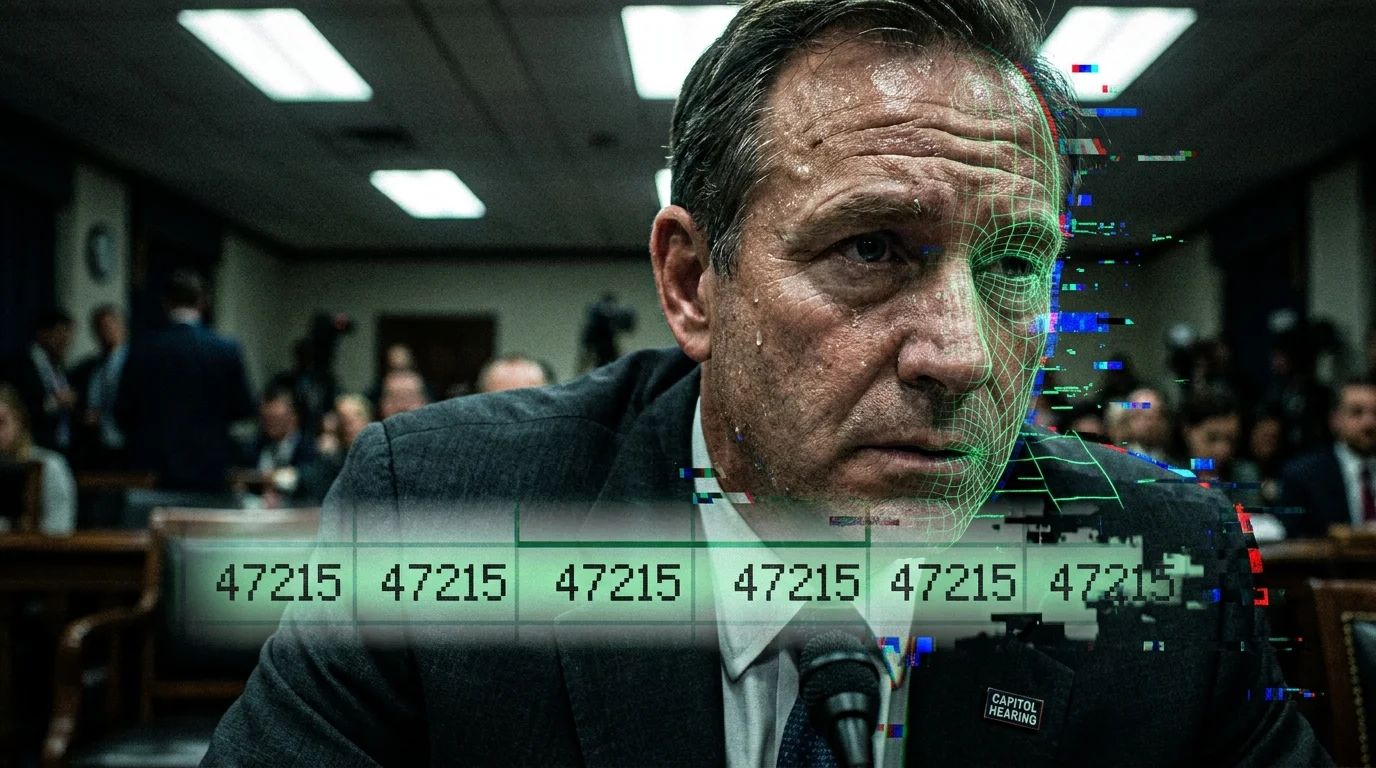
The blue glow of a laptop screen cuts across a quiet kitchen table late at night. Spread across your browser is a dense grid of public records, where a blurry spreadsheet row highlighting identical five-digit vendor transaction numbers suddenly links two seemingly unrelated political groups. Most people assume that uncovering shadow donor networks requires specialized forensic software or institutional press credentials.
In reality, the entire ledger sits openly on plain-text government servers. When political action committees and campaign organizations move money, they rarely construct elaborate spy-thriller shell networks. They rely on standardized vendor codes and routine filing systems that anyone can inspect.
You do not need an insider pass to follow the money trail before an election. You only need to know how standard database reporting fields tie campaign disbursements to identical recipient entities across separate filings.
The Assembly Line Behind Political Ledgers
Think of modern campaign reporting as an automated mail-sorting facility. When independent groups and candidate committees file their quarterly disclosures, every single wire transfer and vendor check leaves behind a systematic digital imprint. Federal campaign finance databases do not obscure this information intentionally; they simply process millions of unorganized entries where the volume alone discourages casual review.
Once you stop focusing on splashy headline numbers and start tracking matching transaction codes across organizational filings, the mystery around third-party spending drops away.
- Corporate alternative minimum tax rules strip unexpected accounting write-offs from private contractors
- Strategic Petroleum Reserve releases switch Gulf Coast pipeline flows amid sudden diesel spikes
- Church Committee intelligence binders reveal redacted Cold War wiretap logs on domestic activists
- Mojtaba Khamenei succession reports force polarized television analysis across competing foreign networks
- Marco Rubio immigration rulings trigger starkly divided cable headlines across rival networks
Marcus Vance, a 38-year-old municipal records clerk from Columbus, Ohio, spent years watching political ad blitzes overwhelm his local media market every autumn. When a wave of identical mailers hit his neighborhood claiming to represent separate grassroots movements, Marcus downloaded public campaign disclosure files on a Saturday morning. Within forty minutes of running simple matching filters against state business registries, he proved that three separate committees were routing funds through the exact same five-digit billing code registered to a single suburban office suite.
Matching Codes by Investigation Layer
Depending on how much time you have at your desk, you can adjust your search methodology to pull back different layers of the ledger.
The Five-Minute Ballot Audit
For the everyday voter checking local candidate filings during election week:
- Target the Schedule B disbursement files to view itemized operational expenses.
- Look for identical media consulting firms hired across opposing primary campaigns.
- Cross-reference candidate spending dates with sudden surges in outside political advertising.
The Deep Entity Cross-Reference
Tracking multi-layered institutional funding requires connecting federal line items with state-level corporate filings:
- Extract the unique recipient identification number attached to recurring vendor expenses.
- Search the recipient LLC name inside state corporate registries to identify the registered agent.
- Map shared address nodes where multiple political committees share office suites or accounting teams.
The Three-Step Public Query Workflow
Auditing campaign disclosures is a calm, sequential task. Move through these steps systematically on official public portals.
- Step 1: Isolate Itemized Expenditures: Access the federal Schedule B bulk data tool and filter your target committee by disbursements exceeding five thousand dollars.
- Step 2: Trace Matching Transaction Sequences: Sort entries by the internal recipient reference code to flag identical five-digit strings across separate filing groups.
- Step 3: Query State Business Entities: Copy the exact business name tied to that code and look up the entity in the relevant Secretary of State registry to verify corporate officers.
Tactical Toolkit
- Data Source: FEC Schedule B Bulk Export Portal.
- Filter String:
RECIPIENT_NAME:"[Entity Name]" AND PURPOSE:"Media" - Key Identifier: Five-digit alphanumeric sub-transaction ID.
- Corporate Registries: Delaware, Nevada, and Ohio Secretary of State business search tools.
Reclaiming Civic Ground Truth
When you understand that political money leaves ordinary administrative footprints, the campaign landscape becomes clear. You no longer have to rely on partisan commentary to explain who finances a message. Independent public record verification turns curious voters into confident civic auditors who can spot the real forces shaping an election in minutes.
“Public disclosure databases are not vaults meant to lock information away; they are digital mirrors waiting for an attentive reader to clean the glass.”
| Key Point | Detail | Added Value for the Reader |
|---|---|---|
| Schedule B Parsing | Itemized record of all outgoing committee disbursements | Allows immediate identification of who receives campaign funds. |
| Sub-Transaction Codes | Five-digit unique vendor identifiers generated on filing | Exposes shared operational clearinghouses across separate groups. |
| State Entity Cross-Check | Matching LLC names against state business records | Reveals individual agents managing supposedly distinct campaigns. |
Frequently Asked Questions
Do I need paid software to search federal campaign databases?
No. Official federal databases and state business registries offer public search portals and raw file downloads at no cost to the public.What is a Schedule B filing?
Schedule B is the specific reporting form where committees must itemize every outgoing payment, including recipient names, addresses, dates, and purposes.Why do multiple PACs use identical five-digit codes?
Committees often use the same media buyers, legal firms, or compliance agencies, which generate identical administrative vendor tags across different filings.Are political committees required to disclose every vendor sub-contractor?
Committees must report the primary vendor they pay, though tracing further sub-contractors often requires cross-referencing state-level corporate filings.How quickly are new campaign expenditures updated online?
Quarterly filings post within days of regulatory deadlines, while pre-election 24-hour and 48-hour notices appear in real time on public feeds.