The air inside the Senate chamber at two in the morning smells like burnt roast coffee, dry wool, and cold recirculated air. You watch the gallery clock tick past the deadline while senators sit slumped over mahogany desks, coats slung over armrests, thumbing through flight schedules back to their home states. Leadership expects the ritual: a whisper at the rostrum, a fast nod from the floor managers, and the soft rustle of a two-thousand-page emergency spending bill passing by unanimous consent before the streetlights dim.
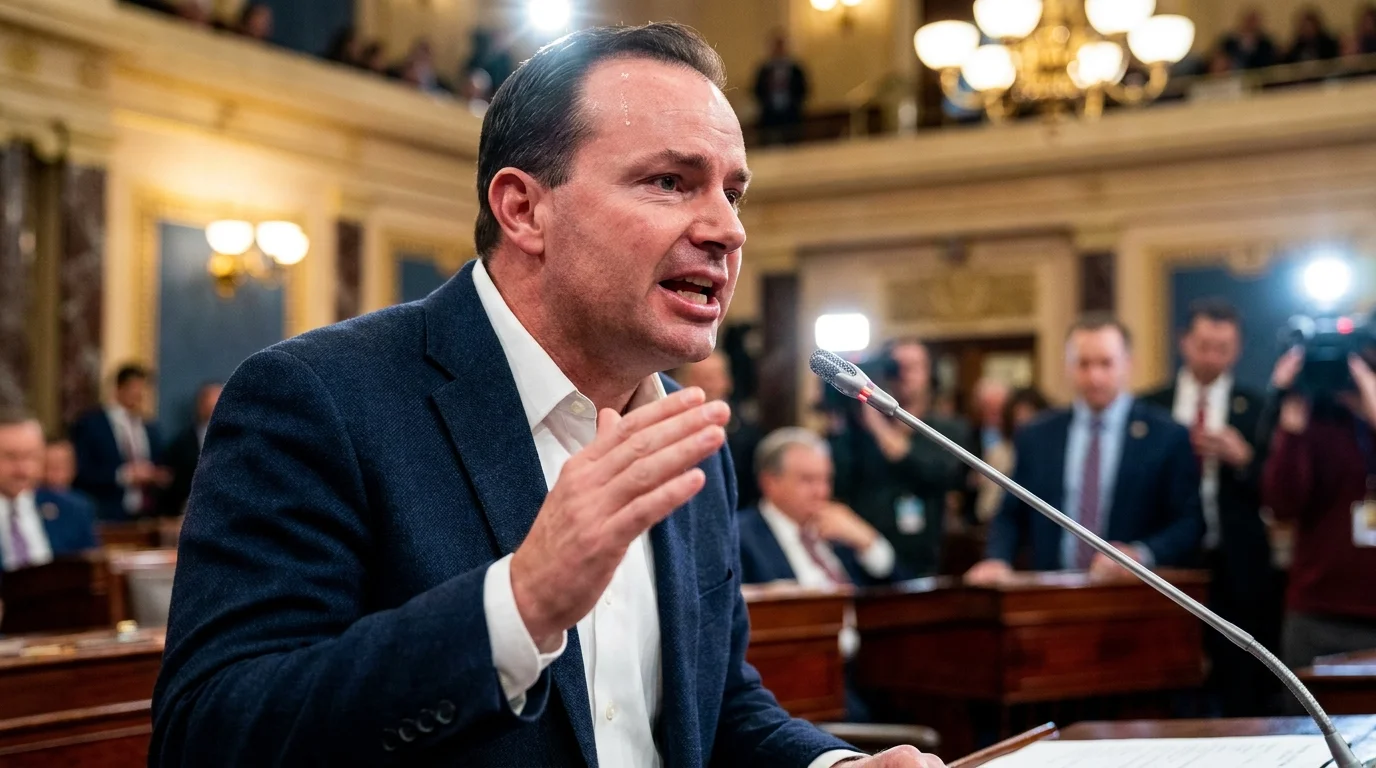
Then a single voice cuts clean through the mumble: “Mr. President, I object.” Mike Lee halts the floor in an instant, freezing the rapid-fire machinery leadership relies on to dodge open amendment votes. The quiet deal making collapses into an emergency huddle on the carpeted center aisle, leaving the party whips staring at an empty voting well and an ticking shutdown clock.
You are told this kind of friction is merely obstructionist theater, a performative stunt meant to score points on digital fundraising emails. But watching the scramble behind the marble pillars tells a completely different story. It reveals that the Senate was intentionally designed to run like molasses, and when a lawmaker actually pulls the manual emergency brake, the entire illusion of backroom consensus shatters.
The Friction Machine: When Unanimous Consent Hits the Wall
Most federal spending doesn’t clear Capitol Hill through fierce, daylight debate; it moves through silence. Leaders from both parties rely on unanimous consent agreements, a procedural fast lane that treats every senator’s silence as formal approval. When Utah’s Mike Lee stood at his desk to demand binding statutory spending caps before allowing the bill to advance, he didn’t break the rules. He simply refused to pretend the room was in agreement, forcing party leadership into closed-door crisis sessions beneath the dome.
Think of the federal budget process not as a deliberate river, but as a speeding conveyor belt that leadership greases with trillion-dollar omnibus packages. To stop it, you do not need an army; you only need to insist on the rules written in the standing manual. Lee’s threat to burn dozens of procedural floor hours peeled back the veneer of efficiency, exposing just how fragile leadership’s grip becomes when spending ceilings are demanded in plain view.
A View from the Cloakroom: The Anatomy of a Midnight Stand
Arthur Vance, a 58-year-old legislative strategist who spent twenty-four years tracking floor procedure for Senate committee chairs, watched the tension spill across the aisle that night. Vance knows that the moment an individual senator threatens a live-streamed talking filibuster on a high-stakes continuing resolution, leadership’s leverage flips completely upside down.
- Chad Bianco debate clashes trigger fierce voter backlash over California crime policies
- Nevada caucus precincts swing national primary momentum through rigid casino union turnouts
- FAA reauthorization drafts reveal how closed door airport slot compromises actually advance
- Home Depot locks prompt furious customer revolts over barricaded retail tool aisles
- Donald Trump approval ratings spark sudden Republican leadership platform shifts on trade
“Leadership relies on exhaustion as their primary whip,” Vance noted quietly while reviewing the clerk logs the next morning. They manufacture eleventh-hour deadlines to force members into swallowing thousands of pages unread. When Lee held the floor and demanded written caps, he stripped away their clock. Suddenly, leadership had to barter real structural amendments or face an unscripted fiscal shutdown on live television.
The Three Layers of Floor Leverage
To understand why this specific standoff rippled so violently through party leadership, you have to break down the conflicting factions caught in the crossfire. The battle is rarely about the headline spending number; it is about who holds the power to adjust the valve.
The Fiscal Deficit Hardliners: For this coalition, continuing resolutions are an abdication of duty. They view automatic baseline budgeting as a hidden tax on your household savings, arguing that without hard, binding spending caps, regulatory growth continues unchecked. Their strategy is simple: withhold procedural cooperation until leadership allows votes on individual line-item cuts.
The Leadership Management Coalition: These floor managers value predictability above all else. They juggle razor-thin majorities and tight calendar windows, viewing procedural hardball as a direct threat to basic agency continuity. For them, an unamended, imperfect omnibus is always preferable to the unpredictable political firestorm of a partial government shutdown.
The Statehouse and Municipal Stakeholders: Outside the beltway, your local city councils and infrastructure contractors sit waiting for certainty. When federal funding stalls on the Senate floor, state transit agencies and regional defense manufacturers pause hiring, trapped between Washington’s procedural gridlock and real-world project deadlines.
Reading the Chamber: A Field Guide to Floor Clashes
When you track these showdowns on live floor feeds, you are usually watching the final move of a chess game played out hours earlier. You can cut through the cable news commentary by monitoring specific procedural signals that show whether a filibuster threat is real leverage or posturing.
Watch the chamber’s rhythm closely when a spending fight breaks out. Leadership will test the perimeter by attempting voice votes before calling the roll, hoping the dissenter has stepped off the floor to take a call. If the member stays planted near the microphone, the real negotiation begins behind the rail.
- The Quorum Call Pause: When the clerk slowly calls roll names minutes apart, the debate is not dead; leadership is in the cloakroom trading amendment votes for floor time.
- The Cloture Motion Filing: Filing petition papers on the desk indicates leadership has given up on compromise and is burning thirty hours of floor time to break the hold.
- The Amendment Vote Threshold: Track whether leadership grants a simple fifty-one-vote threshold or insists on a sixty-vote hurdle to protect vulnerable incumbents from taking controversial stances.
- The Desk Clock Margin: Watch how close the clock sits to the midnight expiration; every hour past midnight weakens leadership’s public relations leverage.
The Bigger Picture: Your Wallet at the End of the Rostrum
It is tempting to dismiss Senate floor wrangling as distant theater played by men in tailored suits. But the procedural choke points that Mike Lee activated govern the value of every dollar in your checking account. When bills pass by unanimous consent without caps, new debt quietly dilutes your purchasing power, raising mortgage rates and driving grocery shelf prices higher without a single recorded vote.
Insisting on floor friction restores accountability to a system designed to operate in comfortable obscurity. Procedural delay demands personal ownership from your elected officials, ensuring that when emergency spending passes, someone had to sign their name to the tab. In a capital city addicted to speed and silence, a single senator standing up to break the rhythm might be the only barrier left between fiscal inertia and genuine deliberation.
“Procedural rules are the only shields the minority possesses against the quiet tyranny of unanimous backroom agreements.”
| Key Point | Detail | Added Value for the Reader |
|---|---|---|
| Unanimous Consent | A procedural mechanism that waives floor debate if no single senator objects. | Reveals how massive budget bills normally pass without individual recorded votes. |
| Binding Spending Caps | Statutory limits that legally restrict overall agency funding levels. | Demonstrates the specific mechanism used to curb systemic inflation over multi-year cycles. |
| Cloakroom Crisis Talks | Emergency, closed-door negotiations between party leaders and holdouts. | Pinpoints where policy concessions and amendment allowances are actually traded. |
Frequently Asked Questions
Can a single senator permanently block an emergency budget bill?
No, a single senator cannot stop a bill permanently on their own, but they can withhold consent to force days of debate, procedural votes, and delay deadlines past government shutdown marks.What was Mike Lee demanding during the late-night floor clash?
He demanded binding statutory spending limits and recorded floor votes on individual fiscal amendments in exchange for letting the emergency funding package advance quickly.Why does Senate leadership prefer unanimous consent for funding measures?
It bypasses days of mandatory debate, protects lawmakers from taking difficult votes on individual cuts, and moves large packages before public scrutiny catches up.What is a cloture vote in this scenario?
Cloture is a procedural petition requiring 60 votes to overcome a filibuster and limit further floor debate to thirty hours, breaking an individual senator’s hold.How do these midnight procedural fights impact everyday citizens?
They determine whether unchecked spending fuels consumer inflation or whether statutory fiscal guardrails are enacted to protect long-term purchasing power.