The corridor outside the committee anteroom smells of burnt dark roast coffee and rain dampening heavy wool coats. It is barely past dawn in Washington, but the marble floors already hum with the muffled vibration of hurried dress shoes and whispered briefings. You might expect party leadership platforms to evolve like limestone carved by a glacial river—measured across seasons, codified through dry policy retreats, and settled only when the donor class signs off on every semicolon.
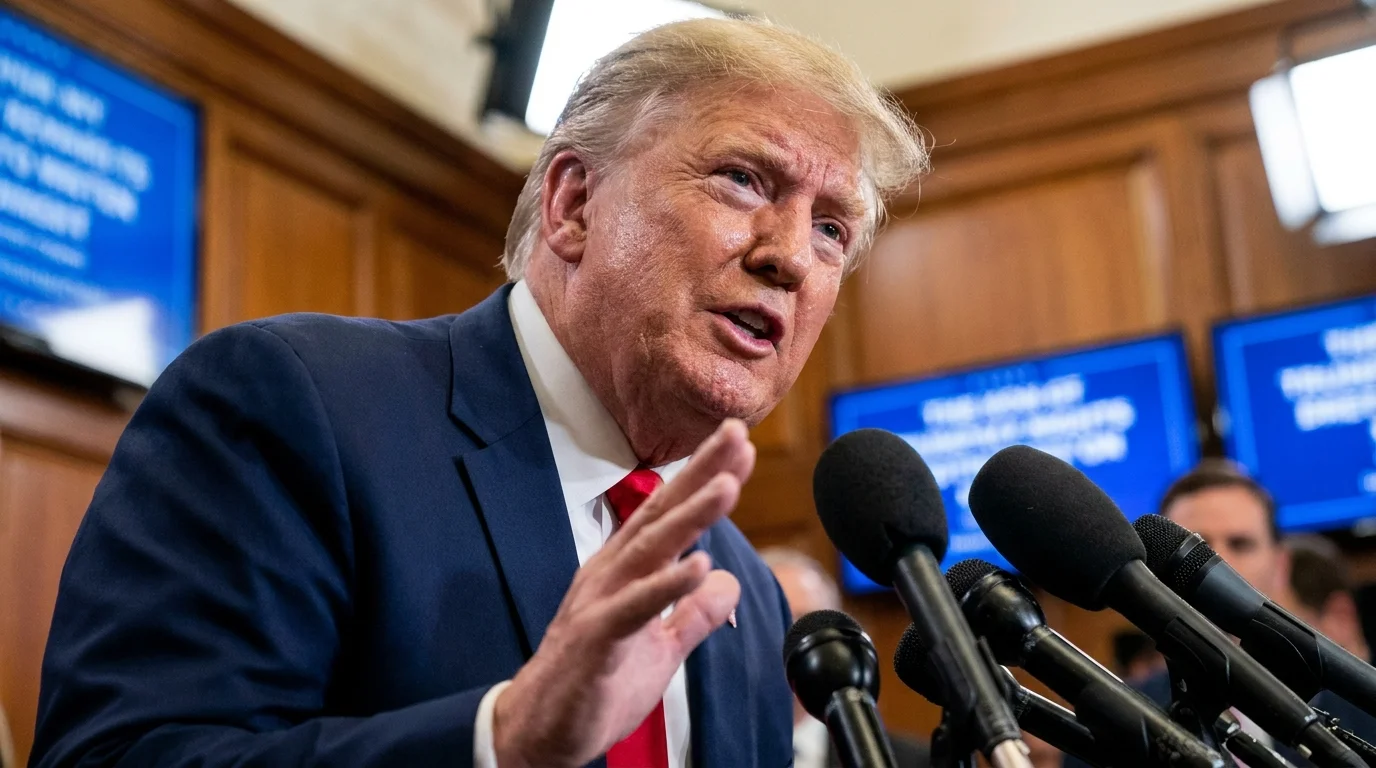
The reality inside the Longworth building this week looks nothing like deliberate statesmanship; it resembles an air traffic control room scrambling during an unpredicted wind shift. When the latest cross-tabs on Donald Trump approval ratings hit the leadership desks, the numbers did not merely suggest a slight edge in Rust Belt margins. They revealed an overwhelming groundswell among working-class voters demanding aggressive, unilateral protectionism.
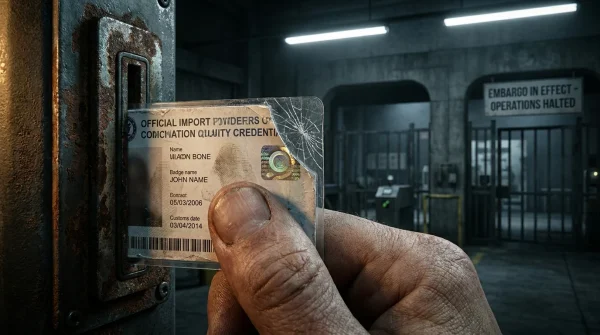
Within forty-eight hours, the polite consensus on tariff moderation evaporated before the ink dried on draft amendments. A quiet redline ran through decades of orthodox free-market rhetoric, replacing long-standing party dogmas with hard-edged industrial defense mandates just hours before scheduled congressional hearings.
The Draft Room Scramble: How Numbers Reshape the Playbook
For decades, political insiders treated platform drafting as a ceremonial dance where trade policy served as an ironclad guarantee to multinational supply networks. You were taught to believe that party doctrine sits anchored to economic philosophy, standing firm regardless of the weekly news cycle. But party platforms are not granite monuments; they are sails rigged to catch whatever gale is howling from the precinct floor.
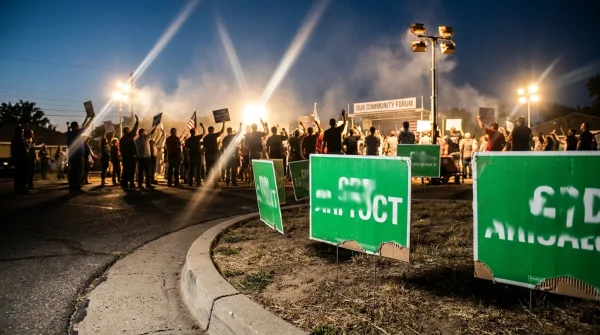
When approval figures consolidate around an insurgent economic stance, defending abstract trade efficiency suddenly feels like walking into a gale with a paper umbrella. The sudden pivot currently sweeping through party leadership is not an ideological awakening. It is an instinctual survival maneuver driven by voters who measure national strength not by port volume, but by domestic factory shifts.
Consider Marcus Vance, a 47-year-old senior legislative strategist who has spent two decades drafting language for House subcommittee rollouts. Late Tuesday evening, Marcus sat across a grease-stained takeout box, red-lining trade compromises that had taken three months to negotiate with chamber business coalitions. “You can write the most elegant defense of global supply balancing you want,” Marcus admitted quietly, tapping a printed stack of swing-district approval numbers, “but if forty thousand voters in your home county believe overseas shipping containers are draining their retirement funds, your white paper belongs in the shredder.”
- Nithya Raman voter surge forces emergency Los Angeles mayoral debate rescheduling
- Senator Mitch McConnell floor maneuvers block emergency Ukraine defense spending package
- Voter registration forms invalidate thousands of primary ballots over missing middle initials
- Agricultural transport waivers expire tonight halting regional produce shipping across state borders
- County levee bonds trigger massive escrow impound spikes on suburban mortgage accounts
Tracing the Factions: Who Wins and Who Adjusts
The tremor rolling through Capitol Hill hits different wings of the party with unequal force. How you weather this shift depends entirely on where your interests rest along the supply chain.
For the Heartland Manufacturer: The platform rewrite replaces polite negotiations with automatic tariff tripwires. If your livelihood depends on domestic stamping presses, machine tooling, or local foundries, this sudden pivot delivers concrete statutory armor against overseas undercutting, validating years of neighborhood frustration.
For the Import-Dependent Retailer: This realignment lands like an unexpected audit on seasonal planning. Anticipating border fee adjustments becomes an immediate operational necessity, turning balance sheets upside down before inventory even leaves coastal terminals.
For the District Incumbent: The choice has narrowed to compliance or primary vulnerability. Lawmakers who once built reputations defending open-border logistics are scrambling to rebrand their committee remarks, adopting nationalist rhetoric to insulate themselves against surging populist polling.
Mindful Navigation: Reading the Legislative Ledger
Watching party platforms flip under pressure can feel dizzying, but you do not need an insider pass to anticipate the practical consequences. You only need to track how rapidly official statements alter commercial reality before a single floor vote occurs.
When high approval numbers force an overnight platform rewrite, look past the press releases and focus on where regulatory enforcement gets real teeth. Watch for specific statutory trigger words in early morning drafts that signal impending supply bottlenecks.
- Track committee hearing markup amendments specifically targeting Section 301 authority expansions.
- Audit domestic vendor contracts for pass-through tariff clauses before quarterly review deadlines.
- Monitor shift patterns and payroll expansions in Midwest regional manufacturing hubs for early economic confirmation.
- Review local port manifest fees as customs enforcement posture shifts under new party priority mandates.
Keep your operational toolkit tuned to the immediate numbers. Watch the 10-year Treasury yield when committee platforms drop, track the Baltic Dry Index for shipping rate volatility, and note the precise 48-hour window between polling drops and committee hearing calendar revisions.
The Balance of Power at the Kitchen Table
Political platforms rarely stay confined to hearing rooms and leather-bound binders; they spill outward onto freight docks and grocery receipts. When an insurgent leader’s polling numbers force a sudden leadership retreat, it is easy to view the chaos as mere partisan theater. But beneath the televised posturing sits a more fundamental truth about how representation actually functions in moments of deep cultural friction.
Understanding this pivot gives you back your bearing in an unpredictable economic climate. You stop viewing policy announcements as distant noise and begin recognizing them as direct reflections of collective voter leverage. When you realize that even the most entrenched political machinery will pivot on a dime when everyday citizens speak loudly enough, the entire system feels a little less remote, and your place within it feels far more deliberate.
The sharpest compass in Washington will always bend toward the sheer weight of voter sentiment over ideological loyalty.
| Key Point | Detail | Added Value for the Reader |
|---|---|---|
| Polling Catalyst | Surging approval metrics override long-standing leadership doctrine. | Explains why decades of established party policy can dissolve within 48 hours. |
| Platform Revision | Closed-door drafts strip out free-trade compromises ahead of hearings. | Signals impending statutory tariff risks before bills reach public floor votes. |
| Economic Impact | Domestic manufacturing gains statutory leverage over import networks. | Helps business operators anticipate inventory costs and supply disruptions early. |
Frequently Asked Questions
Why do approval ratings alter party platforms so quickly?
When polling consolidates firmly around a populist stance, party leaders face primary challenges if they fail to align, prompting urgent policy adjustments.Does a platform rewrite immediately become federal law?
No, but platforms dictate which committee amendments receive priority, directly shaping the final language of statutory bills.How do these sudden trade pivots affect consumer prices?
Aggressive tariff language often leads to short-term pricing adjustments on imported goods while protecting local manufacturing payrolls.Can party leaders reverse this position once hearings conclude?
Reversing stance is difficult once populist polling hardens voter expectations across key industrial battleground districts.Where can I track active changes to these platform drafts?
Follow public committee markup notices and congressional hearing transcript amendments published through the Library of Congress portal.