The gravel crunches under work boots outside a machine shop in Beaver County, Pennsylvania, just past five in the morning. Diesel fumes mingle with damp morning fog and the sharp, metallic tang of cold alloy. You watch steam curl off black coffee in paper cups while workers lean against tailgate trucks, swapping quiet talk about shift differentials and property tax reassessments before the floor buzzers sound.
Inside climate-controlled offices four hundred miles away, national polling desks prepare their monthly releases. They rely on standardized phone scripts and tidy cross-tabs that squeeze complex human decisions into three sterile boxes: Democrat, Republican, or Independent. On paper, the numbers suggest a placid, predictable electorate drifting by a point or two within an expected margin of error.
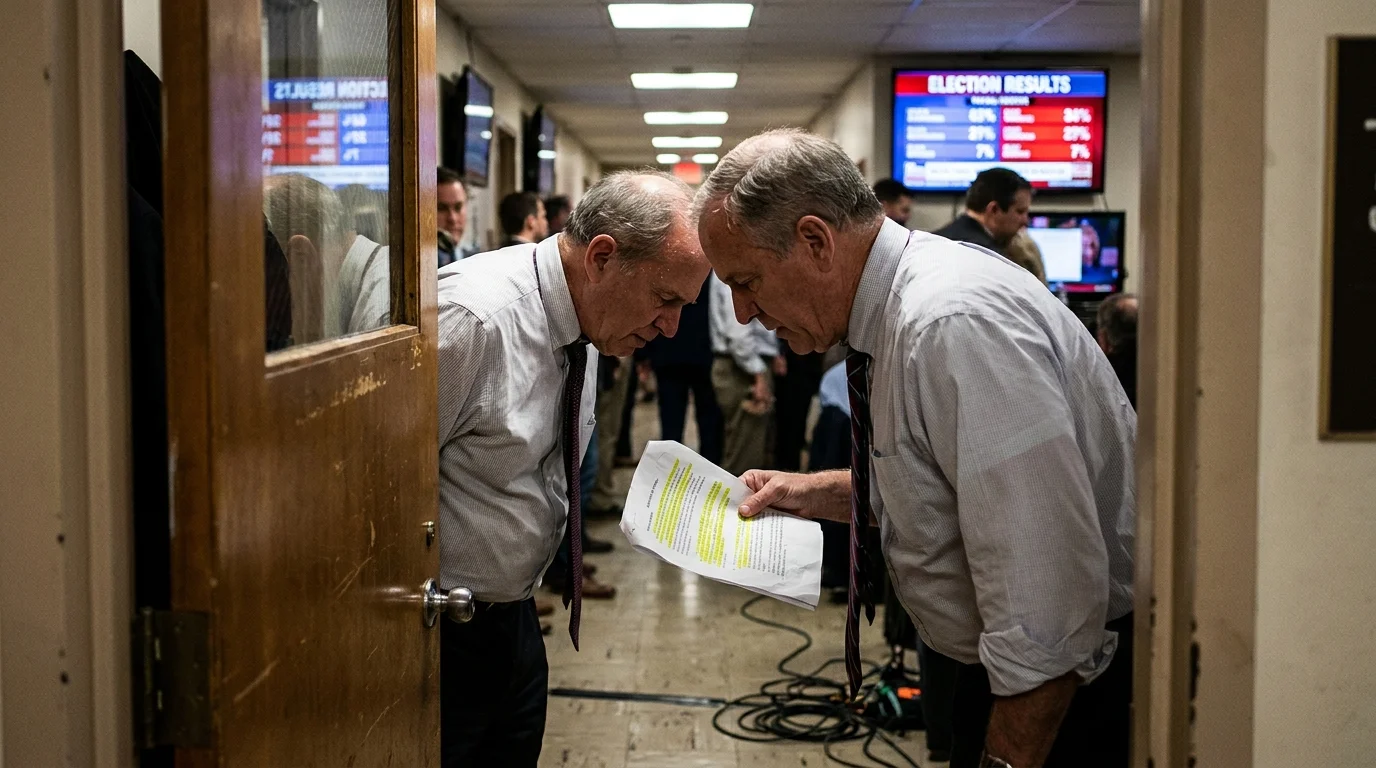
That neat dashboard falls apart the moment you look at the precinct ledger on election night. By treating working-class voters as a uniform demographic slab, national survey baselines consistently miss the quiet groundswells reshaping industrial counties long before the first paper ballot falls through the scanner slot.
The Perspective Shift: Echoes on the Water
Imagine steering a vessel across Lake Erie using only surface radar. The radar shows calm, glassy water because it bounces off the top skin of the lake. It tells you nothing about the deep currents moving tons of sediment along the bottom, scouring new trenches into the bedrock. National telephone tracking works the same shallow way.
When a pollster asks someone which party banner they claim, a machinist in Lordstown or Kenosha often replies ‘Independent.’ They say it out of habit, pride, or a deep distaste for partisan marketing. Yet when that same machinist walks into their municipal polling place, their state registration record proves they have consistently crossed party lines for three consecutive cycles. Gallup party affiliation metrics mask these localized realignments because they measure self-described emotional identity rather than binding administrative behavior.
The metric assumes identity dictates action. On the shop floor, action has severed itself from the traditional brand.
- Lina Khan antitrust enforcement fuels high-stakes White House donor mutiny over corporate penalties
- Rahm Emanuel nomination battle forces Senate Democrats into fierce floor clash
- Newsweek debate metrics spark fierce frontrunner clashes over working-class Rust Belt economic loyalties
- Early primary debates derail presidential frontrunners during dangerous unscripted retail diner stops
- Congressional conference markups quietly strip contentious riders before final bipartisan compromise votes
The Field Reality in Beaver County
Ray Kowalski, a fifty-four-year-old industrial electrician and precinct committeeman in western Pennsylvania, watches this statistical breakdown unfold every spring. For thirty years, Ray tracked voter rolls with a clip-board and carbon paper; today, he cross-references county voter registration files against local shift rosters. Last autumn, while headline surveys insisted his county retained a five-point ancestral registration advantage for the incumbent coalition, Ray noticed something national desks ignored: more than eight hundred registered blue-collar households quietly updated their party registration cards at the Department of Motor Vehicles simply to vote in opposition primaries.
‘A pollster calls during dinner, asks if you feel represented by party leaders, and gets a polite shrug,’ Ray explains. ‘Nobody mentions that the guy on the phone just switched his registration so he could vote against the county commissioner who raised millage rates on small machine shops. The poll tracks sentiment. The ballot box measures grievance.’
Anatomy of the Blindspot: Industrial Adjustment Layers
To understand why national metrics produce such jarring election night surprises, you have to break down how different segments of the industrial electorate interact with standard polling instruments.
The Defensive Disaffiliate
This voter spent twenty-five years carrying a union card while voting straight-ticket based on family heritage. Over the last two cycles, their household budget began breathing through a pillow due to local utility surcharges and plant phase-outs. When surveyed, they claim ‘No Preference’ to avoid friction with shop stewards, yet their precinct data reveals deliberate, split-ticket ballots targeting executive seats.
The Screened-Out Shift Worker
Standard random-digit-dial models run heavily between 5:00 PM and 8:00 PM. Industrial production operates on swing shifts, twelve-hour rotations, and strict no-phone rules on the factory floor. Working-class response rates collapse during traditional interview windows, leaving polling samples heavily skewed toward retirees and desk workers whose daily financial pressures look entirely different.
The Registration Lag Voter
In states like Ohio, Michigan, and Wisconsin, party registration changes often trail voting behavior by nearly a decade. Voters remain registered under the party their grandfather supported until a specific local primary compels them to file a change-of-address or switch card. High-level affiliation tracking catches this movement last, mistaking bureaucratic inertia for active political loyalty.
Reading the Ground Truth: A Tactical Toolkit
You do not need access to private political research algorithms to spot realignments before national outlets report them. You only need to look at verifiable, localized administrative data.
Track the friction points where everyday living expenses collide with public policy:
- Inspect county election board monthly updates for net registration flips rather than top-line registered totals.
- Examine municipal primary ballot requests in blue-collar townships to measure baseline voter engagement months ahead of November.
- Check local building trade apprentice rolls against county turnout history to see if younger trade workers are participating at higher rates than peer age groups.
- Watch school board and water authority ballot measures; sudden pushbacks on local bond issues signal a broad working-class tax sensitivity that top-line national surveys miss.
By auditing raw county records instead of curated telephone digests, you bypass institutional polling distortions entirely, seeing how neighbors actually allocate their political capital when no pollster is watching.
Reclaiming Clarity in an Era of Distorted Numbers
Political commentary often feels like watching a storm through frosted glass. Pundits argue over decimal points in national surveys, treating fractional swings as profound shifts in the American character. But real life happens out in the gravel lots, the union halls, and around the kitchen tables where household checks are balanced on Friday nights.
When you learn to step away from high-altitude polling dashboards and observe the tangible choices made within your own county, the fog clears. You stop getting caught off-guard by election night shocks because you understand that true political movement never starts on a national television broadcast. It begins quietly, in local registration offices and industrial precincts, long before the pollsters ever pick up the phone.
The registration ledger never lies about a community’s quiet resolve.
| Key Point | Detail | Added Value for the Reader |
|---|---|---|
| Metric Mismatch | Gallup aggregates self-reported emotional identity nationally. | Explains why headline trends contradict local industrial voting patterns. |
| Sampling Distortion | Shift workers routinely screen calls during standard polling hours. | Identifies why blue-collar households are statistically underrepresented. |
| Precinct Groundwork | County clerks track binding party switches and primary requests. | Gives you reliable, publicly accessible data sources to watch directly. |
Frequently Asked Questions
Why do national party affiliation polls frequently miss working-class swings?
National surveys rely on broad telephone sampling that over-represents people who work traditional desk hours and willingly take phone surveys. Blue-collar shift workers frequently screen unfamiliar numbers, creating an automatic sampling distortion that undercounts trade households.What is the difference between party identity and party registration?
Party identity is an informal, self-described sentiment given to a pollster over the phone. Party registration is a binding legal record filed with your local county elections office that dictates which primary ballot you are permitted to pull.How can local precinct tallies diverge so sharply from national averages?
National numbers blend suburban, urban, and rural demographics across fifty states into a single average. Industrial regions often share localized economic pressures, such as manufacturing shifts or energy tax spikes, that produce sharp regional departures from national trends.Where can ordinary citizens see accurate voter registration movement?
Most county board of elections websites publish monthly reports documenting total voter registrations, party switches, and active versus inactive voter rolls. These municipal filings show real administrative shifts without media interpretation.Do split-ticket ballots indicate voter indecisiveness?
Far from being indecisive, split-ticket voting in industrial precincts usually reflects highly targeted pragmatism. Voters will support an incumbent locally to protect municipal services while voting for change at the federal level to express dissatisfaction with broader economic policy.