The steam rising off a chipped ceramic mug in a Manchester diner smells faintly of dish soap, scorched drip grounds, and wet wool. Outside, the morning temperature hovers at a biting twenty-six degrees, but inside, the air is suffocatingly dense. Fluorescent bulbs hum low against acoustic ceiling tiles, casting flat, clinical shadows across vinyl booths patched with duct tape.
You see the advance staffer first, clutching an uncharged radio and whispering frantic logistics into a lapel mic while peering out through frosted glass. Minutes later, the presidential frontrunner steps through the doorway. Their wool topcoat is pristine, cut for the balanced backlights of television studios and sterile auditorium lecterns. But here, crammed between a humming pie case and an elderly machinist drinking black coffee, there is no digital delay or polite podium timer.
Television networks treat early primary debates like grand theatrical duels, orchestrating two-minute rebuttals and polished soundbites designed to survive morning news roundups. Yet the real political hemorrhaging rarely occurs under high-wattage stage lighting. It happens when a candidate slides into a cramped booth, reaches across linoleum to shake an outstretched, grease-stained hand, and realizes their hundred-million-dollar war chest cannot purchase an exit door from an unscheduled question.
When a seasoned politician stumbles here, the reverberation travels thousands of miles in minutes. Unscripted voter pushback fractures campaigns faster than any sharp debate jab, signaling to elite financial bundlers that a candidate cannot survive contact with actual voters.
The Acoustic Trap of the Retail Counter
Consider the polished candidate as a high-performance sports car engineered solely for smooth, banked asphalt. On a debate stage, staff control the climate, the acoustic boundaries, and the timing of every interaction. A three-person strategy team scripts answers down to the exact syllable, preparing rehearsed parries for anticipated attacks. It is an artificial terrarium built to protect an investment.
Step across the threshold of a working-class diner in Iowa or New Hampshire, however, and that finely tuned machine suddenly hits raw gravel. Linoleum levels every contrived hierarchy in seconds. The person sitting on that swivel stool does not care about your twenty-point economic white paper; they care that their property tax reassessment just erased their heating budget. When a candidate responds with a focus-grouped non-answer, the silence in the room does not feel patient. It feels predatory.
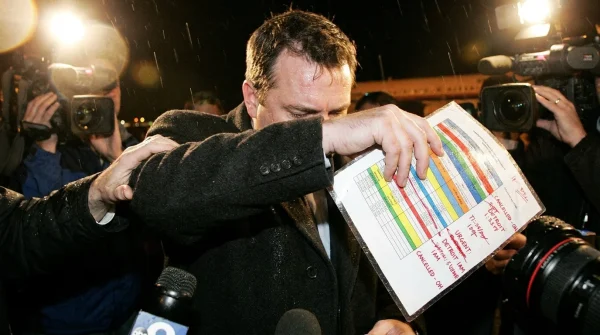
National donors and political action committees monitor these micro-interactions with ruthless detachment. A bad debate performance can be spun by television surrogates as an off night or an aggressive moderator trap. A viral thirty-second clip of a candidate freezing, patronizing a retired nurse, or retreating defensively behind security detail into an idling SUV cannot be spun. It is an unvarnished diagnostic of emotional agility, and money dries up the moment panic registers on tape.
- Congressional conference markups quietly strip contentious riders before final bipartisan compromise votes
- Donald Trump stump speeches target voter attention through calculated rhythmic cadence shifts
- Pentagon speech guidelines force party leadership into sudden military expression platform shifts
- Electoral fraud inquiries trigger national voter outcry as statehouses demand immediate signature audits
- Capitol cafeteria contracts freeze out local vendors while hiking Hill staff meal prices
The Field Coordinator’s Warning
Marcus Vance, a 54-year-old independent campaign operative who has guided six statewide operations through New Hampshire blizzards, keeps a battered composition notebook filled with what he calls ‘diner casualties.’ During the 2020 cycle, he watched a polling leader lose twenty points of momentum across four days after brushing off a disabled veteran’s healthcare query in Merrimack to chase a photo opportunity by the griddle. ‘A debate lectern acts like a shield,’ Vance explains, leaning over a scarred folding table in his field office. ‘Candidates use it to hide their hands when they shake. But when an angry voter corners you over a plate of scrambled eggs, your hands are completely exposed. If your eyes dart toward the door looking for your press secretary to bail you out, the local paper writes the obituary before noon, and Wall Street stops wiring checks by three.’
Dissecting the Contender Playbook: Three Campaign Archetypes
Every campaign cycle produces distinct approaches to surviving these unscripted minefields. Watching how different operations navigate these rooms reveals the hidden structural health of their entire organization.
For the Teleprompter Purist
This candidate thrives in controlled environments, armed with statistical memorization and airtight rhetorical formulas. In a retail setting, their primary vulnerability is tone deafness. They tend to answer deeply emotional personal stories with dry statutory citations, creating an immediate wall of alienation between themselves and ordinary patrons.
When trapped by a hostile voter, the pure policy wonk typically over-explains, burying the exchange under jargon. Donors view this habit as brittle, recognizing that voters will interpret wonkish defensiveness as arrogance under general-election pressure.
For the Retail Guerilla
Usually trailing in the national polls, this underdog candidate treats early primary debates merely as an audition ticket to get into these small rooms. They do not rely on briefing books; they rely on instinctive reading of body language and physical proximity. They sit directly on the stool, lean their forearms on the sticky counter, and allow angry citizens to vent without interruption.
By absorbing the hostility instead of dodging it, they turn unscripted friction into grassroots authority. A viral clip of an insurgent listening quietly and validating a frustrated voter often generates millions in small-dollar digital contributions overnight.
For the Vulnerable Incumbent
Surrounded by advance teams and aggressive security details, frontrunners carry the heavy baggage of prior votes and established records. Their challenge is overcoming the physical perimeter their staff naturally erects around them. Advance teams often ruin campaigns by attempting to sanitize diner stops, hand-picking friendly supporters, and turning what should feel like an organic neighborhood conversation into a cynical, staged pageant.
When an unvetted local slips past staff handlers to ask an uncomfortable question about plant closures or fuel subsidies, the candidate often freezes, having spent months insulated from spontaneous resistance.
The Anatomy of an Unscripted Survival: A Tactical Toolkit
Surviving retail campaigning requires shedding debate training entirely. The instincts that earn points on a broadcast will sink a campaign in a working breakfast crowd. Navigating these rooms requires deliberate psychological discipline:
- Kill the cadence: Drop the oratorical rhythm. Speak at conversational volume, slowing your speech by roughly twenty percent to lower ambient tension.
- Anchor your shoulders: Physical retreat—leaning back, crossing arms, or angling feet toward the exit—signals cowardice to both the voter and nearby television cameras. Square your stance and maintain neutral posture.
- Acknowledge before explaining: Validate the specific human reality before introducing policy nuance. If someone explains they cannot afford insulin, offering a lecture on patent law reforms guarantees disaster.
- Permit open space: Never talk over an agitated citizen. Pausing for three full seconds after they finish speaking demonstrates that you are processing their grievance rather than queuing a canned defense.
- Refuse the handler escape hatch: If staff attempt to intervene prematurely, wave them off publicly. Allowing a twentysomething aide to pull you away from an unscripted confrontation permanently marks you as unready for executive pressure.
The Diagnostic Value of Real Dirt
It is tempting to view early primary retail stops as an outdated political relic—a folksy performance designed for a media ecosystem that vanished forty years ago. But that misunderstanding misses the functional mechanics of political viability. In an era dominated by algorithmic messaging and synthetic campaign ads, the noisy, grease-scented breakfast joint remains the only place where a candidate cannot hide behind digital polish.
When you watch a frontrunner falter under the unvarnished gaze of a skeptical voter, you are witnessing an irreplaceable stress test. Raw friction reveals true character long before state conventions certify delegates or national conventions order balloon drops. The unscripted diner booth does not derail frontrunners by accident; it functions precisely as intended, serving as the last remaining crucible where institutional power must stand still, listen closely, and explain itself without an echo.
‘A debate podium lets a politician pretend to be a statesman, but an untidy diner counter forces them to prove whether they are human.’
| Key Point | Detail | Added Value for the Reader |
|---|---|---|
| Acoustic Exposure | Absence of podium barriers and strict speaking timers forces organic exchanges. | Shows how small physical environments immediately puncture artificial public-relations barriers. |
| Donor Reactions | Financial bundlers prioritize composure under unscripted pressure over debate points. | Clarifies why high poll numbers can collapse rapidly after a single unvetted neighborhood encounter. |
| Advance Team Hazards | Over-managing retail crowds triggers voter backlash and viral public relations disasters. | Helps you spot synthetic political choreography versus authentic civic vulnerability during primary coverage. |
Frequently Asked Questions
Why do national candidates still spend time in tiny diners instead of running digital ads?
Early voting states demand direct personal interaction, and television clips of genuine town encounters generate organic news coverage that carries far more credibility than paid advertising.How do major donors track these local retail mishaps so quickly?
Donors employ field scouts and tracker monitors who review unedited video streams from local events in real time, long before network broadcasts pick up the story.Can a single bad diner confrontation actually end a national campaign?
While rarely fatal on its own, an unscripted misstep creates a damaging narrative of disconnected fragility that starves an operation of fundraising capital.Why don’t campaigns simply pre-screen every patron inside the restaurant?
Attempting to stage-manage local establishments often backfires; local press and independent voters immediately notice and expose artificial, stacked crowds.What is the best way for a voter to evaluate a candidate during these stops?
Watch their physical posture and listening habits when confronted with grief or anger rather than evaluating the specific legislative details of their spoken reply.