The hum of an office laser printer spitting out sixty-page PDF filings at 1:14 AM has a very distinct sound. It carries a low, rhythmic rattle, accompanied by the sour smell of reheated breakroom coffee and the cold glow of multiple monitors casting long blue shadows across desk blotters. If you ever took a high school civics class, you were likely taught that major constitutional battles unfold over months of polite oral arguments, punctuated by the crisp thud of a wooden gavel on sunny Tuesday mornings.
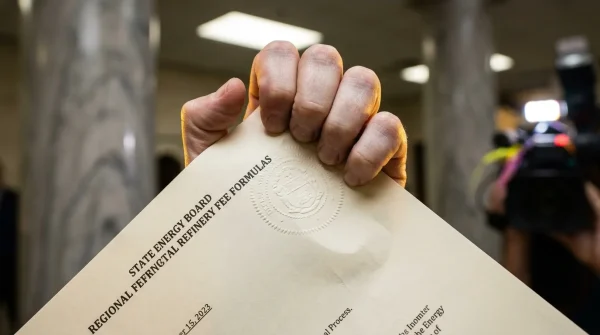
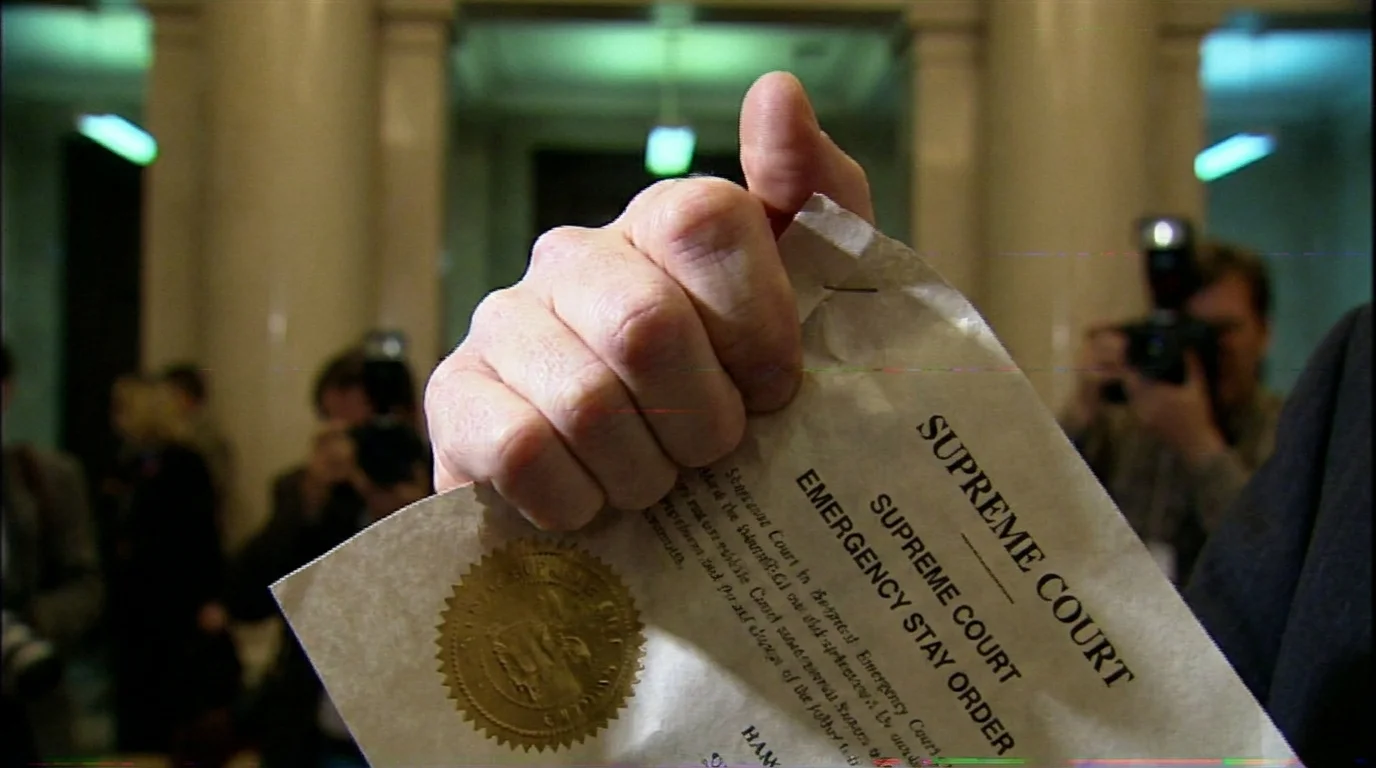
The reality operating across Washington right now looks entirely different. It happens in the dead quiet of the night, when the Supreme Court—frequently accessed through high-stakes emergency appeals filed by state attorneys general and federal solicitors—issues unsigned, multi-page orders that halt major federal policies with a single keystroke. A quiet midnight docket scramble transforms an entire federal agency’s enforcement reach before the morning shift even clocks in, leaving legislators in both parties scrambling to salvage their statutory turf.
These emergency stays do not wait for the standard, multi-year appellate pipeline. By freezing presidential directives on energy mandates, immigration processing, or corporate reporting requirements mid-stream, the court’s emergency docket forces Capitol Hill into immediate, volatile standoffs. You suddenly see committee chairs threatening funding riders while opposition leaders draft retaliatory bills to curb unilateral executive authority—all triggered by a battle that bypassed a traditional trial court altogether.
The Circuit Breaker Doctrine: How Emergency Orders Reshape Executive Reach
To understand why these emergency stays provoke such furious congressional retaliation, you have to discard the myth that Washington operates like a finely tuned grandfather clock. Think of presidential enforcement powers instead like an overloaded household electrical panel. For decades, presidents of both parties have plugged heavy administrative appliances directly into vague, decades-old statutes to bypass congressional gridlock. Executive authority expanded through sheer momentum, functioning until the load grew too hot for the wiring.
The Supreme Court’s emergency docket acts like a hair-trigger circuit breaker popping in the dark. When emergency applications land on the justices’ desks, they do not settle the ultimate constitutionality of the White House’s enforcement rules; they simply yank the plug while the legal fire is put out. For you as an observer, this creates a bizarre legal suspension where a rule is active on Monday, legally dead on Wednesday, and revived under a modified injunction by Friday morning.
Elena Rostova, a 41-year-old municipal bond strategist in Richmond, watches these procedural skirmishes with the trained weariness of someone who prices municipal debt. Last winter, when an emergency stay froze a sweeping federal infrastructure mandate overnight, her team spent forty-eight straight hours recalculating credit covenants for three regional water districts. ‘People think politics is about speeches,’ Elena told me while scanning a freshly posted appellate docket. ‘In our world, power is determined by whoever controls the pause button during an emergency stay.’
- Thomas Massie dissent fuels explosive televised debate clashes between rival party factions
- Senate parliamentarian rulings override partisan budget riders during secret late-night markup sessions
- Trump rally teleprompter departures target undecided swing voters through unscripted loyalty tests
- Pete Hegseth confirmation shifts Senate defense posture amid sudden conservative party fractures
- John Fetterman splits party ranks after challenging Senate leadership on federal border policies
Navigating the Friction: Three Sectors Caught in the Crossfire
When the high court grants an emergency stay on unilateral White House actions, the fallout splits along clear institutional lines. The resulting congressional brawl is not merely rhetorical; it shifts real liabilities onto local actors across the country.
For the Public Contractor and Payroll Director: When an emergency order suspends a federal wage or workplace enforcement directive, corporate human resources departments face a dual-liability trap. Following the frozen executive rule risks shareholder lawsuits; reverting instantly to the prior status quo risks federal penalties if the stay is dissolved three months later.
For State Regulatory Commissioners: State capitols are routinely left holding unfunded compliance tabs. When federal environmental or transit enforcement is abruptly stayed, state environmental boards must decide whether to continue enforcement under state statutory authority or abandon the measures entirely, triggering immediate clashes with statehouse majorities.
For Congressional Bill Drafters: Lawmakers are forced out of their comfortable posture of legislative inaction. When an emergency appeal shuts down a White House initiative, the administration immediately leans on allied lawmakers to write the policy into primary statute, sparking bitter committee battles over sovereign legislative prerogatives versus presidential overreach.
Tracking the Emergency Docket: A Citizen’s Tactical Blueprint
You do not need a law degree to track how these eleventh-hour rulings alter your daily economic reality. Following the process requires looking past cable news monologues and watching the procedural choke points directly.
When a major White House policy faces an emergency challenge, monitor the docket sheet rather than the press conferences. Procedural filings tell the honest story long before public relations teams spin the outcome on Sunday talk shows.
- Locate the Original Circuit Split: Track whether the application stems from the Fifth, Ninth, or D.C. Circuit. Conflicting appellate approaches almost always guarantee emergency intervention by the high court.
- Monitor the Administrative Stay Timeline: A temporary administrative stay is not a ruling on the merits; it is a defensive hold that typically lasts between five to fourteen business days to allow briefs to be read.
- Audit the Bipartisan Counter-Measures: Look for joint resolutions filed under the Congressional Review Act (CRA) within seventy-two hours of the court’s order. These filings signal where the legislative retaliation will land.
- Check Your Local Compliance Deadlines: If the stayed policy touches business reporting, student loans, or municipal fees, check whether your state regulator has issued a formal enforcement hiatus.
The Tactical Toolkit for Legal and Legislative Shifts
Keep these exact reference points close when tracking emergency stay fallout:
- The Primary Docket Portal: Bookmark the Supreme Court’s official ‘Orders of the Court’ page, specifically the ‘Orders on Applications’ section, which updates irregularly, often after 4:00 PM Eastern.
- The Response Window: The standard response window granted to the Solicitor General or state applicants typically spans three to seven days, marking the peak volatility period for affected industries.
- The Legislative Trigger (5 U.S.C. § 801): Keep the Congressional Review Act statutory text handy to track how quickly lawmakers attempt to permanently dismantle disputed agency authority.
The Bigger Picture: Reclaiming Ground in Governed Uncertainty
Living under a governance model decided by emergency appeals feels like trying to read a roadmap while driving across washboard gravel. It produces a distinct kind of modern exhaustion. When policies that touch your family’s budget, retirement plans, or workplace rules fluctuate based on emergency stays issued without oral arguments, political cynicism feels like the only rational response.
Yet learning the mechanics of these emergency dockets replaces anxiety with tactical clarity. You begin to see that these fierce congressional battles are not random chaos; they are the friction of a constitutional system struggling to force lawmakers to do their actual jobs rather than outsourcing governance to the executive pen. True civic resilience comes from understanding where the real levers of authority rest, especially when they move under the cover of an unsigned midnight docket.
The health of a constitutional republic is measured by whether laws are hammered out through public legislative debate or slipped through the cracks of emergency procedural orders.
| Key Point | Detail | Added Value for the Reader |
|---|---|---|
| Emergency Docket Origin | Petitions filed under 28 U.S.C. § 1651 (All Writs Act) requesting immediate preliminary relief before full appellate briefing. | Explains why rulings drop without formal months-long warning or traditional oral arguments. |
| Legislative Retaliation Mechanism | Bipartisan use of Congressional Review Act disapprovals and targeted appropriations riders. | Shows where everyday policy actually gets funded, rewritten, or permanently defunded. |
| Economic Impact Horizon | Immediate freezing of regulatory compliance deadlines for private firms and state agencies. | Helps you determine whether a contested rule affects your business payroll or local taxes right now. |
Frequently Asked Questions
What exactly is an emergency appeal in this context?
It is an expedited request asking the Supreme Court to pause or reinstate a lower-court ruling immediately, preventing alleged irreparable harm while the full legal battle continues through normal appellate channels.Why do these rulings cause showdowns in Congress?
When the court blocks a president’s executive action, it shuts down the White House’s ability to govern around a divided Congress. This forces lawmakers to either negotiate actual statutory compromises or watch the policy disappear entirely.Does an emergency stay mean the executive policy is permanently unconstitutional?
No. An emergency stay only freezes enforcement temporarily based on the likelihood of legal success and potential harm; the court can still modify its stance when the full case is eventually argued on the merits.How do these overnight decisions affect ordinary households?
They directly impact implementation dates for federal loan forgiveness, workplace regulations, energy prices, and corporate compliance costs that businesses eventually pass down to consumers.Where can I find verified updates on these emergency orders without political spin?
Track the direct electronic docket entries on the Supreme Court’s official website under ‘Orders on Applications’ or follow non-partisan legal repositories like SCOTUSblog and the Legal Information Institute.