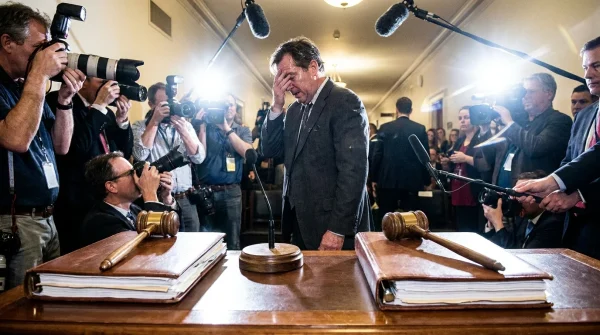
Step past the security stanchions in the basement of the Capitol on a Tuesday afternoon, and you will notice a distinct change in the atmosphere. The heavy scent of brewed diner coffee blends with the sharp chill of industrial air conditioning, while polished Italian terrazzo floors echo with the hurried stride of press secretaries clutching briefing folders. You might imagine party policy gets chiseled into stone through orderly consensus, but the real mechanics resemble breathing through a heavy pillow before someone finally rips open a window.
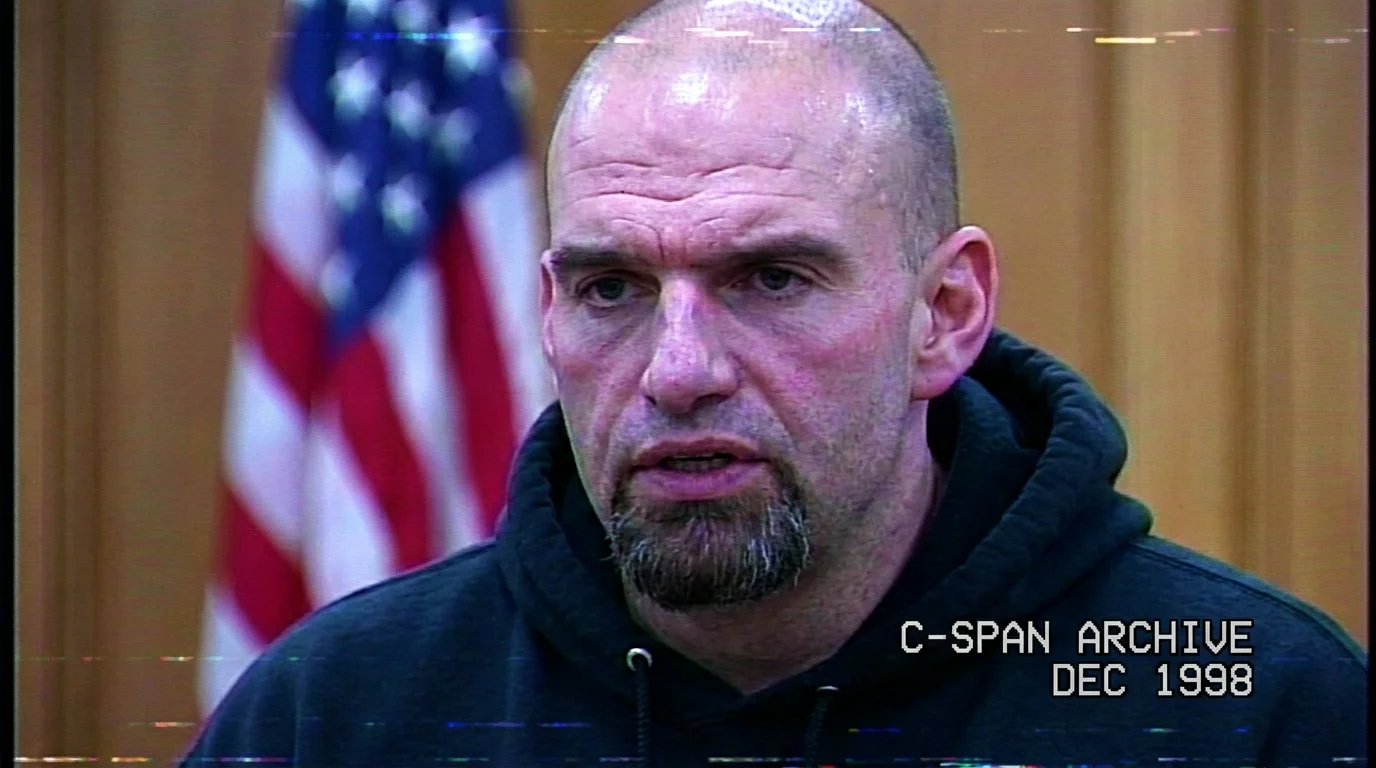
Behind the closed brass-studded doors of room S-211, the illusion of lockstep party unity dissolves. In these private policy luncheons, where smartphones are parked in lockboxes at the threshold, senators abandon their rehearsed television cadences. When Pennsylvania Senator John Fetterman pushed back against his own leadership regarding federal border management, he was not performing for cable news cameras. He was reacting to an immediate, grinding friction felt across blue-collar precincts hundreds of miles away from Washington.
The tension had been building for months as frontline lawmakers warned leadership that the official narrative was drifting away from working-class communities. When the Pennsylvania senator stood up in that carpeted briefing room to challenge the party whips, he cut straight through the carefully focus-grouped scripts. It was a stark reminder that electoral survival trumps party discipline when your home state holds the keys to the next national election.
The Anatomy of a Closed-Door Defection
To understand why this break matters to your daily life, you have to discard the myth that congressional parties operate like disciplined armies. They behave much more like aging suspension bridges, where hidden stress fractures collect weight until a single sudden gust forces the cables to groan under pressure. You are often told that public rebellions are wild acts of spontaneous rage, but professional floor operators know they are calculated counterweights designed to relieve home-state tension.
During that decisive Tuesday gathering, leadership aides distributed glossy one-page handouts detailing approved messaging on asylum reform and port-of-entry funding. Fetterman pushed the papers aside. Drawing on the steady industrial churn of western Pennsylvania towns—places dealing with strained social services, fentanyl overdoses, and tight municipal budgets—he pointed out the gaping disconnect between Senate conference room rhetoric and the blue-collar voters who put him in office. His refusal to nod along shattered the room’s manufactured consensus.
Marcus Vance, a 46-year-old veteran legislative strategist who spent thirteen years counting floor votes for Senate committees, watched the fallout ripple through the cloakrooms immediately after the doors opened. Vance noted that when an unconventional, statewide-elected senator in a core battleground state rejects leadership talking points, it is never an isolated tantrum. It signals that leadership’s internal polling has collapsed in the industrial rust belt, and senior leadership can no longer enforce message control without risking their majority.
- Trump $5,000 checks proposal sparks intense congressional spending battles across divided factions
- Voter registration address mismatches freeze provisional ballots across crowded swing state precincts
- SALT deduction cap rollback slashes suburban property tax refunds across high-income districts
- New Hampshire independent voters derail frontrunner campaign momentum through decisive moderate swings
- Federal transit concessions freeze out local vendors while hiking commuter ticket surcharges
The Coalition Fracture: Three Competing Camps
When you watch this rebellion play out on your morning feed, you are looking at three distinct factions fighting over the future of party strategy. Each group sees the border through a completely different survival lens:
The Industrial Battleground Realists: Lawmakers like Fetterman represent states where margins are decided by razor-thin pluralities in working-class counties. For these members, strict border enforcement is not an ideological talking point; it is a kitchen-table requirement. They understand that blue-collar voters view unmanaged migration as an administrative failure that directly depresses regional wages and overwhelms municipal infrastructure.
The Coastal Progressive Wing: Anchored in safely partisan urban districts, this cohort views any tactical concession on border policy as a moral surrender. They push leadership to frame border management strictly around humanitarian aid and expanded intake processing, operating under the calculation that base turnout in primary-heavy states remains the highest strategic priority.
The Institutional Senate Leadership: Tasked with keeping a precarious majority intact, floor leaders prefer ambiguity over decisive confrontation. Their primary goal is holding together a fragile coalition through watered-down omnibus language that allows vulnerable members to vote yes while privately telling their home districts they fought for real enforcement.
Tracking the Floor Shifts: A Mindful Citizen Playbook
You do not need an insider badge to detect when a party rebellion is about to rewrite federal policy. You simply need to watch the quiet institutional signals that precede the public votes. When a high-profile defection occurs, leadership begins rewriting amendment trees behind closed doors.
Follow these distinct indicators to track real legislative movement:
- Monitor Rule Committee Waivers: Watch whether leadership allows open floor amendments or locks down the bill through ‘filling the tree.’ If leadership permits amendments on border enforcement, Fetterman’s push has forced their hand.
- Track Co-Sponsorship Drops: Pay attention to moderate midwestern colleagues who quietly decline to co-sponsor leadership-backed border packages within forty-eight hours of a caucus dispute.
- Audit District Press Releases: Look past national cable news appearances. When lawmakers start issuing plain-text regional press statements to small county newspapers, they are preparing to vote against party leadership.
Keep a minimal toolkit close when sorting through these maneuvers. Watch the Congressional Record for procedural motions to table, follow the official daily Senate floor schedule, and cross-reference roll call tallies with your local district’s economic profile rather than national headlines.
The Bigger Picture: Reclaiming Your Legislative Radar
Watching party leadership lose its grip on a sitting senator might look like simple partisan chaos on your screen, but it offers a rare moment of civic clarity. When the choreography breaks down, you get an unvarnished look at how power truly functions when raw constituent anxiety collides with national party branding.
When you recognize that a public break is rarely about personal eccentricity and almost always about local voter pressure, you stop being a passive consumer of political theater. You begin to see the Senate not as an impenetrable monolith, but as an ongoing negotiation where your local community’s priorities can still force the most powerful figures in Washington to rewrite their scripts.
“Party loyalty is a luxury for safe seats; survival in the swing states is won by knowing when to tell your leadership they are wrong.”
| Key Point | Detail | Added Value for the Reader |
|---|---|---|
| Caucus Defection Trigger | Fetterman explicitly rejected leadership’s sanitized messaging memos during closed-door policy lunch. | Reveals that the split stems from policy substance rather than media posturing. |
| Rust Belt Realism | Electoral reliance on working-class counties makes strict border management a survival necessity. | Explains why battleground lawmakers break ranks even when it angers their base. |
| Leadership Countermeasures | Senate whips adjust amendment rules and quiet discretionary spending to limit public floor votes. | Provides a clear method to track real policy changes before the evening news reports them. |
Frequently Asked Questions
Why did John Fetterman break with party leadership on border policy?
He argued that the party’s standard messaging ignores the ground reality in Pennsylvania, where working-class communities expect orderly border enforcement and accountable federal management.Does this split threaten the Senate majority’s legislative power?
It does not threaten the formal majority, but it forces leadership to negotiate directly with centrist and battleground members rather than relying on strict party-line votes.What was the immediate response from party whips?
Whips initially attempted to keep the dispute behind closed doors, but quickly shifted toward drafting compromise border enforcement amendments to protect vulnerable members.How does this defection impact border funding legislation?
It increases the likelihood of bipartisan compromise on physical border security and immigration enforcement, as leadership can no longer pass packages without addressing internal dissent.Where can I track how my own representatives vote on these amendments?
You can track roll call votes and amendment co-sponsorships in real time via the official Congress.gov portal under active Senate legislation.