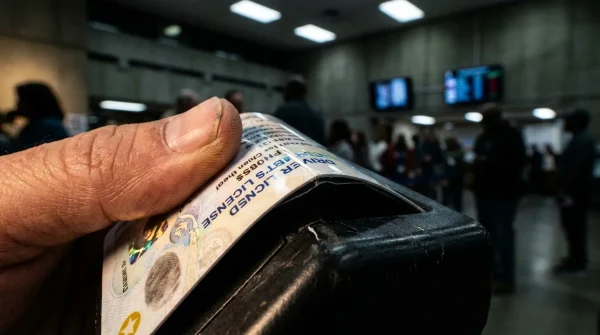
The dawn commuter air in an interstate bus terminal smells of damp concrete, scorched brake pads, and stale drip coffee. You balance an oversized paper cup against your wrist while pulling up the ticketing app on your phone, waiting for the familiar regional coach that has carried your neighborhood into the metro center for fifteen years. But the bay is empty, walled off by fresh drywall and glossy corporate signage that promises an upgraded regional mobility corridor.
When you finally step up to the self-serve kiosk beneath the glow of digital route boards, the familiar three-dollar community fare is gone. In its place sits a single option: a mandatory twelve-dollar private shuttle service, outfitted with faux-leather seating and an added terminal convenience surcharge you never voted to approve. The morning commuter line shrinks back, people checking bank accounts against morning clock-in times.
What feels like an overnight modernization initiative is actually a calculated shift in public infrastructure funding. Behind the fresh turnstiles and sleek gate architecture, federal transit concessions are quietly turning taxpayer-funded travel hubs into commercial choke points, systematically running small local carriers out of bay access while locking working passengers into captive pricing brackets.
The Illusion of the Upgraded Concession Gate
For decades, municipal authorities managed multimodal transit centers like open public sidewalks. Cities built the asphalt pens, maintained the waiting benches, and leased boarding slots to independent jitneys, municipal shuttles, and inter-city community vans at nominal costs to maintain regional affordability. That model kept basic transit running as an open conduit rather than a toll collector.
Over the past three years, the narrative shifted under the promise of private infrastructure investment. Federal discretionary grant programs began incentivizing terminal authorities to transfer daily facility management, concourse leasing, and boarding dispatch rights to third-party operators. In theory, private capitalization was supposed to repair decaying brickwork without raising local property tax lines.
Instead, the resulting concession agreements operate like a choke collar on local access. Once a private management consortium secures long-term master leases, it quietly imposes prohibitive insurance thresholds, complex digital dispatch mandates, and doubled terminal dwell fees. Small-scale commuter lines operating on fifty-cent margins cannot survive the administrative paper wall, abandoning their bays within months.
Arthur Pendelton, a fifty-eight-year-old owner-operator who ran a sixty-seat independent connector bus between outer industrial parks and downtown rail depots for twenty-two years, watched his access dissolve over a single municipal fiscal quarter. When terminal management privatized gate assignments, his monthly slot fee climbed from three hundred dollars to twenty-four hundred dollars, alongside a new requirement to integrate with an exclusive proprietary booking software that skimmed eighteen percent off every fare. Without the municipal platform to pick up daily shift workers, Pendelton parked his three buses permanently, surrendering the route to the consortium’s luxury express.
- Natalie Harp memos trigger fierce debate prep clashes inside rival war rooms
- Nevada caucus organizers upend early primary momentum through aggressive hospitality union mobilizations
- Appropriations rider markups strip controversial policy bans behind locked committee doors
- Debate rebuttal phrasing shifts undecided voter sentiment through calculated pause timing
- 19th Amendment debates prompt sudden national party platform shifts targeting suburban women
Dissecting the Captive Vendor Architecture
This systematic displacement relies on an economic play known as vendor captivity. When private concessionaires take charge of public hubs, they do not merely run cleaning crews; they control passenger ingress and egress. By reclassifying regular platform slots as exclusive commercial corridors, operators introduce tiered booking systems that turn public thoroughfares into private tollways.
To understand how this directly hits your monthly transit spending, you have to look at the structural layers of these agreements:
For the Daily Route Commuter: You no longer have the choice to board an older, unadorned municipal coach that runs every twenty minutes for pocket change. The master concession agreement mandates exclusive platform access for certified partners, which inevitably means riding corporate-backed fleets equipped with ticket surcharges that double your daily round-trip commute.
For the Local Small Business: It is not just buses feeling the pinch. Independent coffee stands, dry cleaners, and local news vendors who spent decades operating tiny terminal storefronts face aggressive common-area maintenance fees. They are rapidly replaced by automated smart lockers and franchised quick-service chains willing to absorb high rent thresholds in exchange for captive foot traffic.
For Peripheral Neighborhoods: Suburban and outer-ring workers who rely on regional park-and-ride spurs find their connections severed. When private operators replace versatile neighborhood routes with streamlined point-to-point business express lines, intermediate stops across lower-income zip codes are quietly dropped from schedule boards to cut operating overhead.
Mapping the Real Cost of Your Morning Commute
Protecting your budget in this changing landscape requires moving past basic route timetables and identifying how public-private fare structures are designed. These adjustments help you bypass captive terminal pricing before you arrive at the platform gate.
Taking control of your daily transit spend starts with understanding where concession markups live and how local alternatives still run just outside private hub perimeters.
- Audit your monthly ticketing receipt for recurring platform access fees, concession administration surcharges, or technology booking levies that exceed base fare tables.
- Identify secondary municipal pickup zones located one to two city blocks outside privatized terminal property lines, where independent vanpools and regional bus lines frequently relocate to avoid gate fees.
- Participate directly in regional metropolitan planning organization meetings, where federal grant allocations and terminal concession leases undergo public comment phases before contracts are signed.
- Evaluate employer commuter benefit debit cards to ensure tax-free pre-tax payroll deductions cover regional municipal alternatives rather than auto-renewing into marked-up private line subscriptions.
By mapping out municipal surface stops that skirt the boundaries of newly privatized hubs, savvy commuters cut out fifty percent of daily access markups while directly funding the community networks that need ridership to keep their public operating permits alive.
The Structural Anchor of Public Mobility
A bus depot or train concourse is not an airport duty-free mall, despite what concession balance sheets suggest. Transit hubs are foundational public assets built on civil easements, funded with taxpayer dollars, and meant to guarantee that anyone—regardless of income bracket—can move across regional job centers without an aggressive toll gate.
When public assets become captive commercial platforms, the damage extends beyond your personal checking balance. It chips away at the basic civic covenant that says public transit exists to serve the entire community, not just passengers who can absorb an inflated convenience surcharge. Recognizing who actually owns the turnstiles is the first step toward keeping our public thoroughfares genuinely public.
Public transit centers function as basic democratic commons; the moment access requires crossing a corporate gate fee, the system ceases to be public infrastructure.
| Key Point | Detail | Added Value for the Reader |
|---|---|---|
| Gate Access Fees | Private terminal concessionaires charge independent lines steep dwell premiums. | Identifies why affordable suburban routes disappear from digital dispatch screens. |
| Platform Exclusivity | Contracts give solitary corporate partners rights to primary passenger bays. | Reveals how riders are systematically steered into premium-priced ticket options. |
| Exterior Boarding Zones | Independent transit operators relocate stops outside terminal property perimeters. | Provides immediate, practical bypass routes that save commuters daily fare surcharges. |
Frequently Asked Questions
Why are bus and train terminals being turned over to private concessionaires?
Terminal authorities often face deferred facility maintenance backlogs and turn to private management consortia to fund upgrades without floating municipal bonds, often unaware that long-term contracts allow operators to dictate vendor access and passenger surcharges.How do these concessions drive out local bus operators?
Private managers levy elevated gate fees, mandatory integration with proprietary reservation platforms, and expensive commercial insurance minimums that smaller neighborhood operators cannot sustain on low-margin community fares.Are ticket surcharges set by local government or private operators?
While base rates are frequently reviewed by regional transit boards, terminal facility fees, technology booking charges, and gate convenience levies are typically introduced directly by private concessionaires under master lease contract provisions.Can commuters avoid captive terminal surcharges?
Yes. Commuters can look for independent route pickups stationed just outside privatized terminal jurisdiction, utilize local municipal bus transfers that bypass the central concourse, or buy passes directly through local operator offices.How can community members voice concerns over privatized hub contracts?
Contract terms and federal grant acceptance conditions must be brought before regional Metropolitan Planning Organizations (MPOs) and city council transit subcommittees during public comment sessions before lease execution.