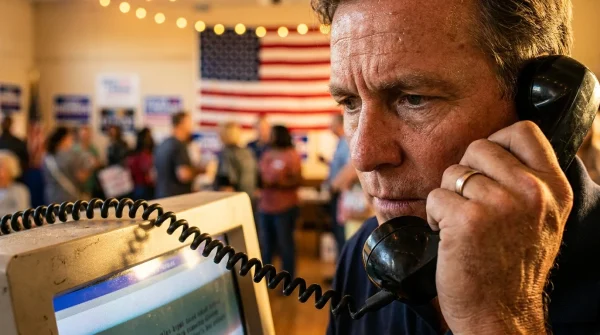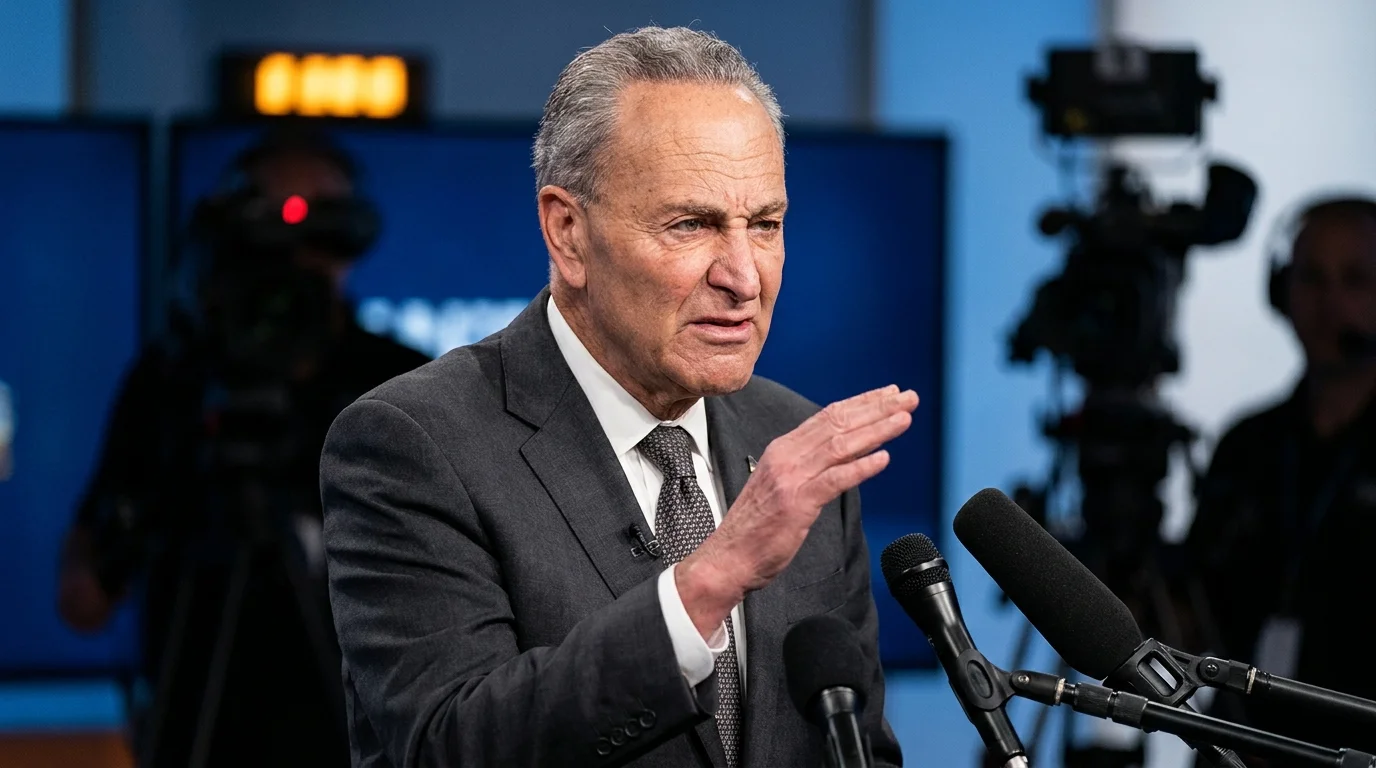
The corridor carpet outside the Senate Agriculture Committee room smells like damp wool and burnt diner coffee past two in the morning. When the heavy brass doors finally click shut, the television cameras have long powered down their halogen lights, leaving only the dull hum of janitorial vacuums down the hall. Inside, the air feels thick, stripped of oxygen by fifteen hours of closed-door markups and crumpled carryout cartons.
You are told these marathon sessions are about patriotic stewardship, keeping food on kitchen tables, and protecting the family grower through catastrophic droughts. But if you walk behind the staff dais, the discarded spreadsheets tell a far colder, transactional tale written in pencil.
On page ninety-two of the latest legislative text, a line item quietly shifts. Under the dim desk lamps, **billions in rural nutrition subsidies** quietly dissolve into obscure ledger adjustments, traded away with an exhausted nod to bump Southern crop insurance baselines for peanuts, cotton, and long-grain rice.
The Calorie Currency: How Acreage Trumps the Dinner Table
To make sense of Capitol Hill, you must abandon the idea that farm legislation is about farming or food in any singular sense. It is a dual-engine engine built on an unspoken fifty-year truce: urban districts back farm subsidies in exchange for rural support of nutrition safety nets.
When that truce fractures under budgetary caps, lawmakers do not cut evenly; they perform arithmetic surgery. They treat your local grocery purchasing power as an unsecured line of credit to shore up guaranteed price floors for specialized commodity blocks.
Instead of addressing market realities, committee drafts rely on an accounting maneuver called reference price inflation. By adjusting statutory baseline prices upward for select Southern monocultures, the draft locks in automatic federal payouts whenever commodity indices dip, balancing the ledger by trimming future eligibility calculations for rural SNAP recipients.
- Kroger grocery aisles face sudden consumer boycotts over automated digital price tags
- Mexico border trade shifts force party leaders into sudden protectionist platform pivots
- Postal worker routes prompt immediate community backlash over rural mail delays
- Congressional spending rescissions trigger fierce bipartisan clashes across Capitol Hill
- Mail-in ballot postmarks block thousands of early votes over missing postal counter ink
Maeve Callahan, a forty-four-year-old agricultural budget analyst and former committee aide, keeps an archived spreadsheet from three consecutive reauthorization cycles on her laptop. She watches the midnight transfers not as policy debates, but as raw regional leverage: Southern committee leaders refuse to report a bill out of executive session without baseline hikes for cotton and rice, knowing northern and midwestern members will eventually sacrifice modest nutrition increases just to prevent an across-the-board farm program expiration.
The Ripple Effect: Who Pays for the Midnight Trade
This balance-sheet shuffle never stays confined to the marble hallways of Washington. It reverberates outward, landing squarely on three distinct groups who navigate the fallout long after the bill becomes law.
For the Working Rural Family
If you live in a rural county where grocery chains are sparse and shift work fluctuates, nutrition assistance is not abstract politics; it is your winter heating budget. When statutory drafts quietly cap inflation adjustments for monthly benefits, your buying power shrinks silently against grocery shelf inflation, **leaving your pantry bare days** before your next direct deposit arrives.
For the Diversified Smallholder
If you cultivate fifty acres of mixed specialty vegetables, heirloom grains, or pasture-raised livestock, these baseline trades offer you zero safety net. The billions diverted to Southern commodity baselines serve industrial-scale monocultures, driving regional land rental prices beyond your reach while leaving your crop losses completely uninsured.
For the Independent Rural Grocer
When supplemental food dollars leave rural communities, local store owners absorb the hit directly at the register. Independent grocers in small towns operate on razor-thin two percent margins; when hundreds of local families see their benefit cards dialed back by thirty dollars a month, the community grocer loses the working capital needed to stock fresh produce.
Auditing the Fine Print: A Tactical Toolkit for Citizens
Holding legislative text accountable requires stripping away the procedural fog. You do not need a law degree to read what lawmakers bury between midnight and daybreak; you simply need to track the statutory baseline movements.
- Inspect the Congressional Budget Office (CBO) Scorecard: Focus on Title I (Commodities) versus Title IV (Nutrition). Look specifically for changes labeled ‘outyear baseline adjustments.’
- Track the Reference Price Escalators: Note whether statutory minimum triggers for seed cotton, peanuts, or rice rise while the Thrifty Food Plan recalculation formulas are frozen or constrained.
- Review the Committee Markup Roll Calls: Midnight voice votes often mask who proposed swapping administrative nutrition funding for regional commodity pilot programs.
- Monitor Local State Agency Bulletins: Watch your state Department of Human Services announcements for anticipated shifts in benefit calculation minimums six months ahead of federal enactment.
By learning where these policy levers hide, **you strip away the political theater** and see the precise points where household survival gets bartered for regional political survival.
Reclaiming the Ground Beneath the Policy
When you understand the mechanics of the farm bill, the confusing headlines about partisan gridlock suddenly resolve into sharp focus. The dispute is rarely about whether people should eat or whether farmers should survive; it is about who holds the quiet power to shift the ledger when everyone else is asleep.
Stepping back to observe these budget diversions gives you back your agency. You stop viewing federal food policy as an act of unpredictable weather, recognizing it instead as a series of deliberate human choices that you have every right to audit, question, and demand accountability for at the ballot box.
The true cost of a compromise is never measured in committee votes, but in the quiet choices families make in grocery store aisles six months later.
| Key Point | Legislative Detail | Added Value for the Reader |
|---|---|---|
| Title I Commodity Shift | Upward revision of statutory reference prices for Southern crops. | Reveals why large-scale industrial monocultures receive guaranteed floor pricing while diversified farms do not. |
| Title IV Nutrition Trims | Freezes or structural curbs on administrative Thrifty Food Plan indexing. | Explains why household monthly food assistance fails to keep pace with real-world food price spikes. |
| Floor Vote Compromise | Midnight balance-sheet adjustments traded to secure regional bloc votes. | Equips you to identify transactional regional horse-trading masked as bipartisan agreement. |
Frequently Asked Questions
Why are food stamps and farm subsidies always lumped together in the same bill?
Since the 1970s, lawmakers intentionally paired urban nutrition assistance with rural farm supports to ensure broad, bipartisan coalitions would vote to pass national agricultural legislation.What exactly is a Southern crop baseline?
A crop baseline refers to the historical reference yield and statutory support price used by the USDA to determine guaranteed federal payments to producers of crops like cotton, rice, and peanuts.How do these closed-door drafts affect local grocery prices?
While they rarely change shelf prices directly, baseline shifts steer federal support toward specific export crops rather than diverse domestic food crops, indirectly altering long-term supply balances.Can these midnight committee edits be reversed on the Senate floor?
Yes, through floor amendments, though leadership often uses closed rules or procedural agreements to discourage floor votes that could dismantle fragile regional compromises.Where can ordinary voters read the unedited committee text?
Draft bill text, amendments, and official CBO scorecards are publicly published on congress.gov and the official Senate Committee on Agriculture, Nutrition, and Forestry portal prior to floor action.