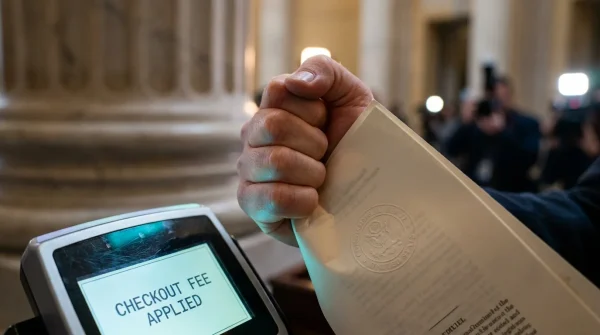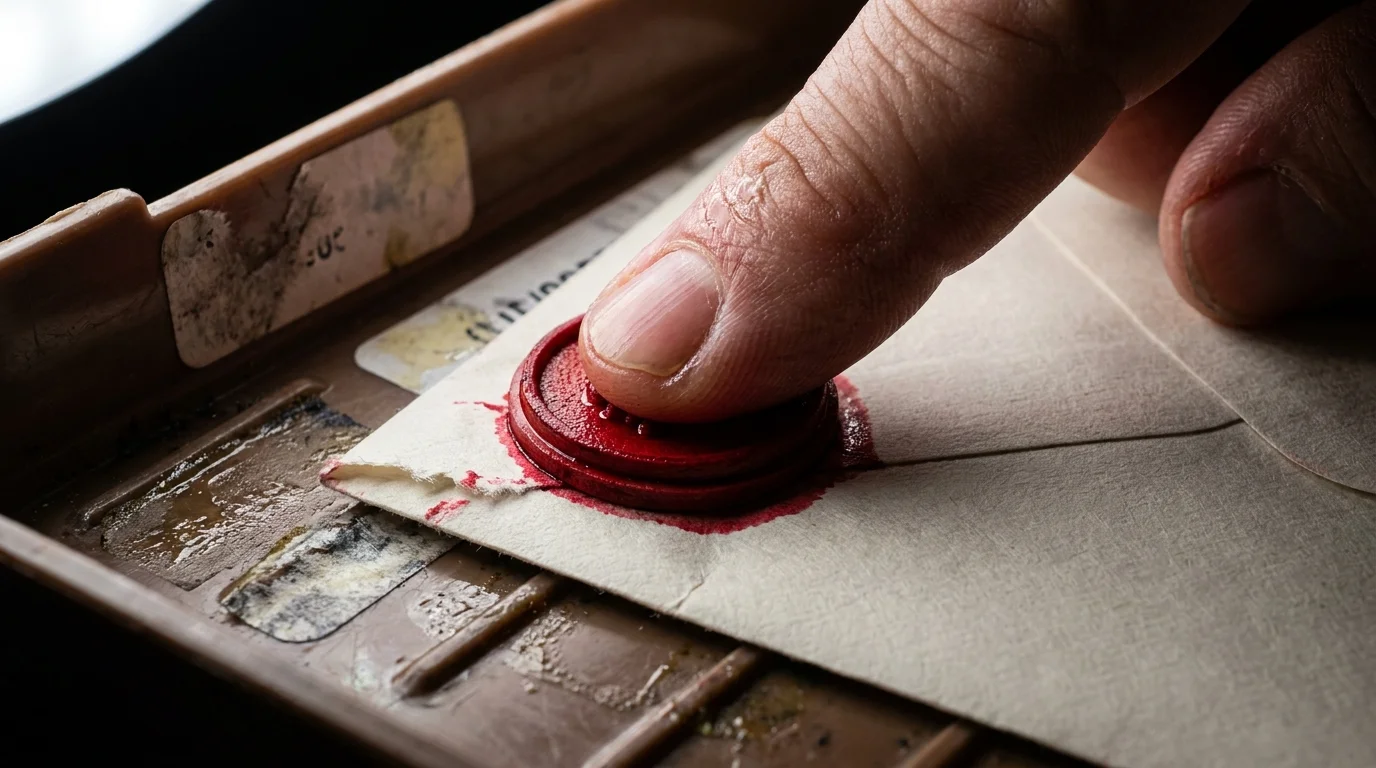
The high-ceilinged basement of the county administration building smells of stale machine oil, industrial ozone, and the sour tang of morning coffee. Across long rows of industrial tables, election workers in high-visibility vests work beneath the hum of fluorescent tubes, feeding hundreds of thousands of mail-in envelopes into heavy-duty automated letter openers. The machinery chatters in a steady rhythm, spitting envelopes down grooved metal guides into plastic postal tubs worn smooth and tacky from years of handling.
Watch closely as those envelopes slide along sticky municipal mail sorting trays, and you will notice how fragile the democratic mechanism really is. You likely picture your vote as an ironclad contract once you seal that exterior mailing flap and drop it into a neighborhood drop box. You trust that ink on paper, paired with your legal signature, guarantees an entry onto the county tally board by election night.
Inside the intake room, however, the process operates with mechanical detachment. A slit envelope spills its contents under an inspection lamp, and if the inner, gray paper sleeve is missing, work stops. The ballot inside is exposed, bare to human eyes before legal separation occurs, turning your carefully chosen vote into what election administrators coldly classify as a naked ballot.
That bare piece of cardstock never reaches the high-speed optical scanner. Instead, it gets set aside in a cardboard quarantine box, tagged with an administrative code, and shelved in silence while the counting machines roar on without you.
The Two-Pocket Geometry of a Counted Vote
Most voters assume the inner envelope is merely a courtesy, a considerate layer of extra paper designed to keep nosey election clerks from seeing their partisan picks. That assumption is a critical error. The privacy sleeve is not a decorative shield; it is a legal firewall built directly into the geometry of absentee balloting.
Think of the process like passing through an airlock chamber. The outer envelope carries your identity—your name, your precinct, your handwritten signature, and your barcoded voter file number. The inner sleeve carries your political will. For a ballot to be legitimate, those two components can never touch the tabulation floor at the exact same moment. If an intake clerk sees your candidate choices while verifying your signature on the declaration flap, the legal fiction of the secret ballot ruptures instantly.
- Section 199A deduction phaseouts trigger unexpected tax bills on crinkled paper receipts
- Backyard cottage zoning bans demand strict setback limits creating furious clashes on manicured lawns
- Telegram election fraud hoaxes reveal automated bot networks pushing blurred fake ballot camera feeds
- Joe diGenova resignation memos expose coordinated crisis communication strategies across conservative legal panels
- Bruen firearm permit rulings block local courthouse weapons bans leaving jammed metal detector queues
In dozens of jurisdictions, statutes do not permit election workers to avert their eyes and look away. When that protective barrier is omitted, the law presumes the secrecy of your vote has been irrecoverably breached, forcing county canvassing boards to reject the entire document outright.
A Canary in the County Basement
Clara Vance, a 61-year-old lead processing specialist in Berks County, Pennsylvania, has spent seven election cycles watching perfectly executed votes head straight to the incinerator. In the frantic forty-eight hours leading up to the municipal primary, her crew sorts through tens of thousands of return packets, pulling aside trays that fail physical intake standards. “People spend twenty minutes researching school board candidates, check every box cleanly, and then slide the paper straight into the return mailer to save time,” Clara explains. “By statutory rule, my hands are tied the second that blade cuts the edge. If that ballot slips out bare, I have to stamp it void, slide it into an audit folder, and keep moving down the line.”
Statutory Tripwires Across Ten Key States
Not every state treats a missing sleeve as a fatal error, but across critical battleground and high-density municipal corridors, strict constructionist laws offer zero latitude to local clerks. If you cast an absentee ballot in these ten states, leaving out the interior sleeve creates an immediate administrative death sentence for your vote:
- Pennsylvania: Under Title 25 Section 3146.6(a), failure to place the ballot within the inner secrecy envelope renders the ballot completely void as an invalid “naked ballot,” affirmed repeatedly by state supreme court rulings.
- New Jersey: N.J.S.A. 19:63-12 mandates that the certificate envelope serve as an indivisible privacy unit; separating or omitting the inner sleeve during voter assembly prompts immediate canvassing disqualification.
- Ohio: Under R.C. 3509.04, your completed ballot must be sealed within the identification envelope before insertion into the return mailer; returning a loose ballot in the exterior mailer violates mandatory secrecy handling.
- Georgia: O.C.G.A. § 21-2-384 requires the elector to fold the ballot, enclose it in the envelope marked ‘Official Absentee Ballot,’ and securely seal it before inserting it into the outer carrier.
- Texas: Texas Election Code § 86.006 dictates that failure to utilize the carrier envelope and accompanying privacy sleeve invalidates the processing sequence during early voting ballot board review.
- Kentucky: KRS 117.086 establishes strict statutory rejection protocols if the voter fails to seal the ballot within the inner secrecy sleeve prior to placement in the outer envelope.
- West Virginia: W. Va. Code § 3-3-5 requires the inner secrecy envelope to maintain ballot anonymity; exposed ballots discovered during precinct board unsealing are rejected without counting.
- Florida: Fla. Stat. § 101.65 establishes strict ballot assembly directions; while cure processes exist for missing signatures, loose, exposed ballots that compromise voter anonymity risk outright canvass board rejection.
- Missouri: Mo. Rev. Stat. § 115.283 establishes that an absentee ballot cast without its accompanying inner protective certification wrapper violates the statutory threshold for blind tallying.
- North Carolina: N.C.G.S. § 163-231 enforces strict container-envelope execution, where unnested ballots that expose voter markings prior to official tally opening are subject to challenge and removal.
The Three-Minute Kitchen Table Assembly Ritual
Protecting your vote from the municipal paper shredder requires slowing down your physical kitchen table routine. You cannot treat an absentee ballot like a monthly utility bill, stuffed hurriedly into a pre-paid sleeve between sips of morning coffee.
Treat the paper with the mechanical precision it demands. Clear a wide, clean space on your counter, far away from stray coffee rings or cooking moisture that can soften paper edges and cause jams in mechanical sorting wheels.
- Inspect the Perforations: Unfold the ballot completely and ensure all stub perforations are cleanly detached, leaving no hanging paper burrs that catch on machine belts.
- Fold Along Original Scores: Refold the document strictly along the factory press lines so its footprint fits the privacy sleeve without binding or buckling.
- Slide, Never Tape: Insert the ballot fully into the secrecy sleeve; never use tape, staples, or paperclips, which instantly jam high-speed intake extractors.
- Seal the Perimeter: Place the sleeved ballot into the return envelope, moisten the adhesive flap uniformly, and run your thumb firmly across the edge to ensure a watertight bond.
Your tactical approach requires treating the paper like glass from the moment it leaves your pen until the return mailer settles into the drop receptacle.
Tactical Toolkit for Mail-In Success
Keep these baseline parameters in mind whenever you execute an absentee or mail-in ballot from your home:
- Ink Standard: Black or dark blue ballpoint pen only. Gel pens bleed through stock, while felt tips soften fibers and trigger scanner reject jams.
- Cure Window: 24 to 72 hours. If your county allows signature or envelope cures, this is the narrow timeframe you typically have after receiving an administrative rejection alert.
- Intake Tolerance: 0.125 inches. Automated letter cutters slice envelopes at high velocity; an improperly seated, oversized ballot can have its verification barcode sheared clean off.
The Quiet Architecture of Self-Government
It is tempting to view secrecy sleeves as bureaucratic spite, a tangle of red tape designed solely to trip up ordinary citizens exercising their voice. But that irritation misses the deeper beauty of the system. The double-envelope mechanism is an ingenious, low-tech guarantee that no elected sheriff, partisan clerk, or inquisitive neighbor can ever link your personal identity to your conscience.
When you take the extra thirty seconds to slide that ballot into its unassuming gray pocket, you are not simply dodging an administrative rejection code on an audit sheet. You are upholding the hard-won architecture of the Australian secret ballot, ensuring that when the postal tubs hit the processing tables, your voice arrives untampered, unread, and fully counted.
The physical integrity of the ballot envelope is the only wall standing between administrative convenience and the total exposure of your private vote.
| Key Point | Detail | Added Value for the Reader |
|---|---|---|
| Secrecy Sleeve Omission | Triggers immediate classification as an invalid ‘naked ballot’ in strict statutory states. | Prevents premature disqualification before the envelope reaches optical counting scanners. |
| Airlock Separation | Prevents administrative clerks from connecting your signature on the outer mailer to candidate choices. | Guarantees legal privacy protections under state constitutional secret ballot clauses. |
| Flat Folding Alignment | Ballots must match factory scores without tape, staples, or foreign adhesive seals. | Eliminates sorting jams across sticky municipal mail sorting trays and high-speed extractors. |
Frequently Asked Questions
Can an election clerk simply look away and insert my bare ballot into a replacement sleeve?
In strict statutory states like Pennsylvania and Kentucky, no. The law forbids election workers from handling naked ballots to protect themselves against allegations of tampering or privacy violations, making rejection mandatory.What should I do if my official ballot kit arrived in the mail without a secrecy sleeve?
Immediately contact your local county board of elections or municipal clerk before marking the ballot. They will issue an official replacement packet or direct you to an authorized early voting site to cast a replacement.Does using Scotch tape on the secrecy sleeve disqualify my vote?
Yes, in many counties. Foreign adhesives, tape, or paperclips can gum up high-speed extraction and scanning machinery, causing ballots to tear or undergo administrative rejection during mechanical intake.How can I verify whether my absentee ballot was accepted or rejected for missing paperwork?
Most states offer an online ‘Track My Ballot’ portal through their Secretary of State website. If flagged for a missing envelope or sleeve, check immediately to see if your jurisdiction provides a statutory cure process.Does this secrecy sleeve requirement apply if I drop my ballot inside an official drop box instead of the mail?
Yes. Drop box intake protocols are identical to postal intake rules. All absentee ballots undergo the exact same signature-verification and envelope-extraction process regardless of delivery method.