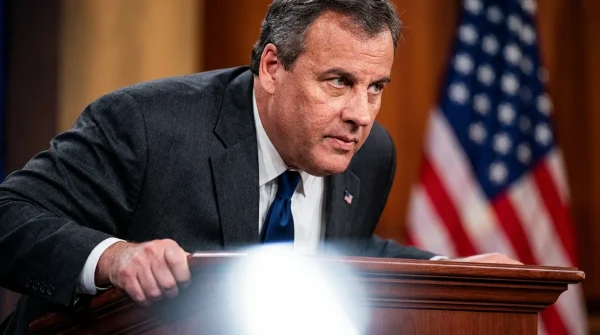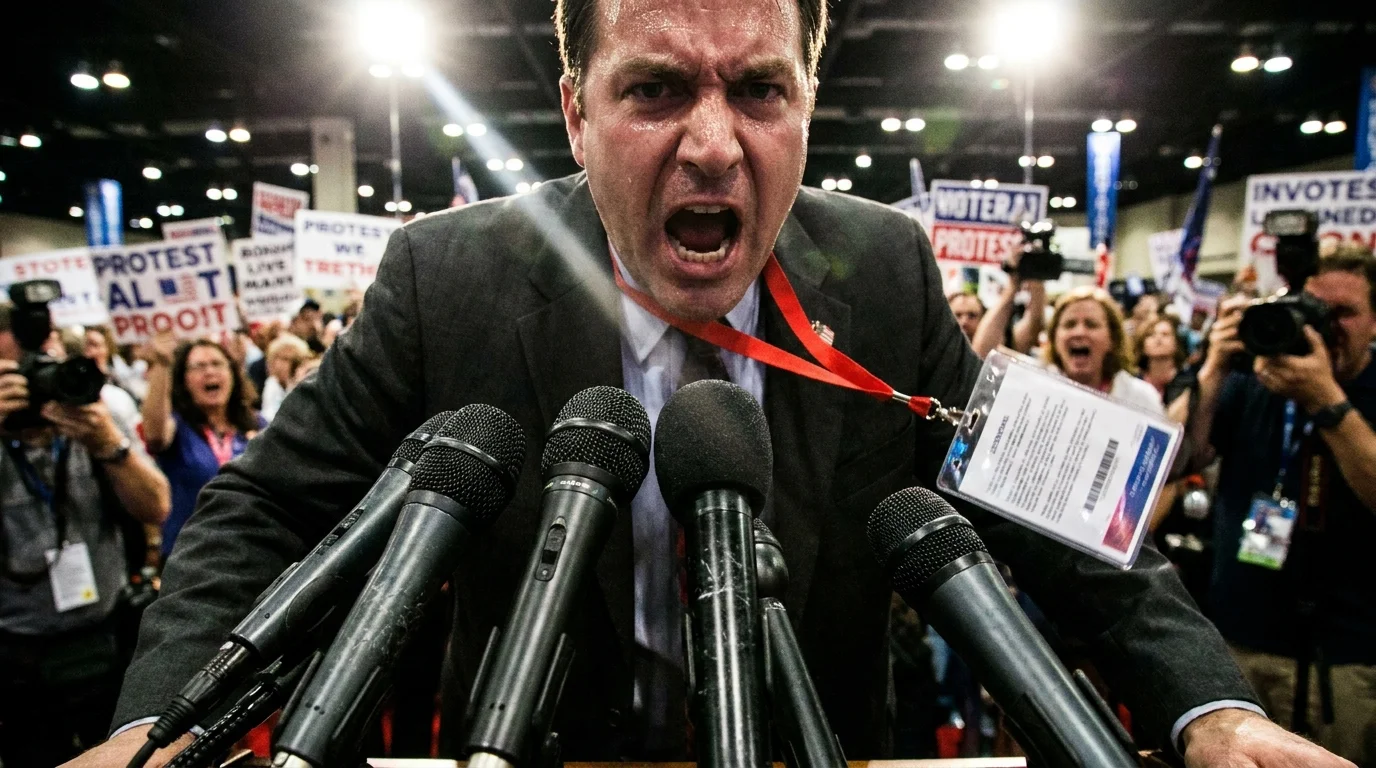
The arena smells of ozone, stale popcorn, and wet wool from a sudden Midwestern downpour outside. Overhead, television spot banks hum at sixty cycles a second, baking the upper tiers while freezing the lower press risers. You are gripping a laminated floor delegate badge dangling from a bright red lanyard, its slick plastic corners digging into your thumb as you scan the sea of folding chairs.
On paper, party conventions are billed as grand civic pageants—four days of televised unity where state delegations sing fight songs and wave state-shaped signs. Yet the air on the floor feels like breathing through a pillow. Word has just rippled down the center aisle that the rules committee, sequestered in a windowless hotel basement three blocks away, has rewritten the procedural threshold required to introduce minority resolutions.
The standard expectation was simple: gather twenty-five signatures from five separate state delegations, file the petition before the morning gavel, and force a recorded roll call vote on the national platform. Instead, national leadership pulled the lever on a quiet procedural pivot. By lifting the petition threshold overnight, party brass snuffed out a brewing grassroots floor revolt before a single microphone could be keyed open.
The Machinery of Quiet Control
To grasp why this shift matters, you have to stop watching the main stage teleprompter and look at the floor mechanics. Party rulebooks are not neutral guidelines; they are hydraulic valves designed to regulate political steam. When grassroots dissent builds up in the pipes, leadership faces a stark choice: either vent the pressure through public debate, or tighten the bolts and risk cracking the manifold.
For decades, standard convention doctrine claimed that broad consensus was forged through open floor wrangling. But modern national conventions have abandoned that risk-tolerant model in favor of an ironclad television production. What happened behind the curtain was an emergency amendment to Rule 40 and its subordinate platform reporting clauses, designed specifically to neuter rogue platform challenges on foreign trade and entitlement policy.
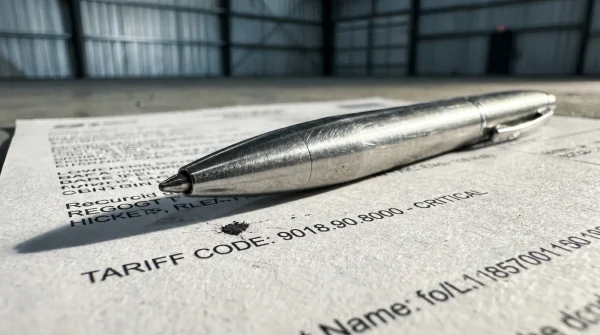
Consider Greg Vance, a 52-year-old county commissioner and alternate delegate from eastern Ohio. For seven months, Vance worked caucus basements and district breakfasts, carefully assembling a coalition of delegates across eight states to demand a recorded vote on industrial tariff protections. Sitting on the arena floor at 11:15 a.m., he watched his three-inch ring binder of verified signatures rendered meaningless when the credentials panel raised the filing bar from five states to ten. “They didn’t beat us on the argument,” Vance whispered, pointing his pen at the rostrum. “They just moved the goalposts into the parking lot.”
- Trump Iran strategy searches expose deep voter anxiety across sudden Middle East defense realignments
- Trump interest rate demands spark emergency Senate pushback over central bank independence protections
- Optical scan ballot bubbles demand dark black ballpoint ink over smudged gel pens
- Direct-mail carrier route flyers trap low-propensity households behind glossy oversaturated cardstock mailers
- Constitutional sheriff movement doctrine resurfaced century-old frontier vigilante compacts stamped in cracking wax
Where the Floor Splinters: Three Delegations, Three Realities
Procedural shifts do not land evenly across the floor. Depending on where your delegation sits in the party hierarchy, this sudden voting threshold adjustment strikes as either an existential betrayal or welcome damage control.
For the Grassroots Insurgent
If you arrived with a grassroots mandate, your entire strategy relied on procedural leverage. You traveled on self-funded coach flights, split budget hotel rooms with four people, and memorized Robert’s Rules of Order like scripture. The sudden hike in state co-sponsorship requirements effectively prices you out of the market. Your challenge now shifts from floor agitation to outside communications, turning procedural disenfranchisement into digital grassroots fundraising before the evening session convenes.
For the State Party Chair
If you manage a state party apparatus, your primary currency is stability. You live in terror of an uncontrolled floor vote that drags past prime-time network broadcasts or showcases bitter regional divisions on national television. For you, the sudden procedural clampdown is an administrative mercy. It spares you from having to whip your own delegates against popular local measures that leadership in Washington cannot afford to endorse.
For the Whip Operation
If you wear the navy-blue blazer of the national steering team, this switch was a calculated logistical preemptive strike. By isolating the threshold mechanism inside the rules and credentials panel rather than debating it during open session, you forced the insurgent factions to contest an arcane parliamentary point rather than an emotionally charged policy debate. You traded thirty minutes of grumbling from precinct chairs for a pristine, uninterrupted prime-time broadcast.
Mindful Parliamentary Defense: How to Read the Floor
Navigating convention rules requires treating parliamentary motions like physical tools. If you are tracking delegate voting shifts or organizing within local party conventions, emotional outrage wins nothing; procedural literacy wins everything.
First, always track the clock rather than the speechifying. Every rules committee meeting operates on statutory submission deadlines that close long before the gavel sounds on the arena floor.
- Monitor the Rules Committee docket for emergency substitute language submitted under suspension of typical advance-notice intervals.
- Audit the quorum requirements for the credentials subcommittee, where challenges to delegate seating are quietly resolved before floor credentials activate.
- Track the minority report thresholds; securing twenty-five percent of committee signatures remains the only binding mechanism to bypass the platform chair’s gavel.
- Document every parliamentary point of order in writing with dual delegate timestamps before approaching the floor microphone.
Keep your tactical focus narrow. The credentials panel operates on verified precinct paperwork, meaning administrative discrepancies in your alternate roster can disqualify your entire state delegation’s petition rights in less than thirty seconds.
The Bigger Picture: Reclaiming Civic Reality
When the spectacle fades and the confetti cannons are swept from the concrete, what remains is an enduring lesson in institutional leverage. It is tempting to dismiss rule changes as inside-baseball cynicism, but these procedural levers govern how your tax dollars, civil rights, and local communities are represented on the national stage.
Understanding the architecture of convention rules returns power to your hands. When you recognize that party platforms are shaped far more by committee thresholds than by prime-time speeches, you stop being a passive spectator consuming a televised product. You begin to understand why things happen the way they do—and exactly where to apply pressure next time.
The loudest microphone in the arena will never rival the power of a committee pen rewriting the parliamentary threshold at midnight.
| Key Point | Detail | Added Value for the Reader |
|---|---|---|
| Threshold Escalation | Increased petition minimum from 5 state delegations to 10 for minority floor amendments. | Explains why insurgent platform debates suddenly disappeared from the official convention agenda. |
| Credentials Filtering | Accelerated administrative audit of alternate delegate seating challenges. | Demonstrates how national leadership neutralizes floor revolts hours before delegates take their seats. |
| Broadcast Window Protection | Eliminated spontaneous floor roll calls during peak 8:00 PM to 11:00 PM EST coverage. | Reveals how television packaging directly dictates internal political parliamentary rules. |
Convention Rule Mechanics: What You Need to Know
Why did party leadership abruptly raise the delegate threshold?
To prevent unexpected floor debates and minority reports from interrupting tightly scripted prime-time television broadcasts, ensuring national party unity on paper.Can delegates challenge the rules committee’s decision on the convention floor?
Yes, but doing so requires a formal minority report backed by at least twenty-five percent of the standing rules committee, a bar intentionally designed to be extraordinarily difficult to clear.How does Rule 40 impact platform voting specifically?
Rule 40 establishes the demonstration of multi-state delegate support required to place alternative candidate names or contested policy language into official consideration.Does this rules switch affect down-ballot state and local platforms?
While national rules govern only the quadrennial convention, state and county parties frequently adopt identical procedural mechanics to streamline their own local conventions.Where can an everyday voter review the adopted convention platform rules?
The final codified report of the Committee on Rules and Order of Business is submitted directly into the permanent convention record and published via official party repository sites following the convention’s conclusion.