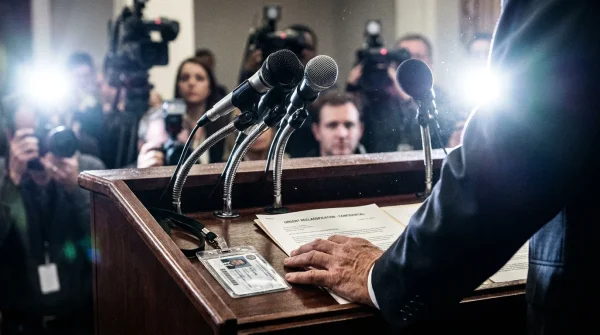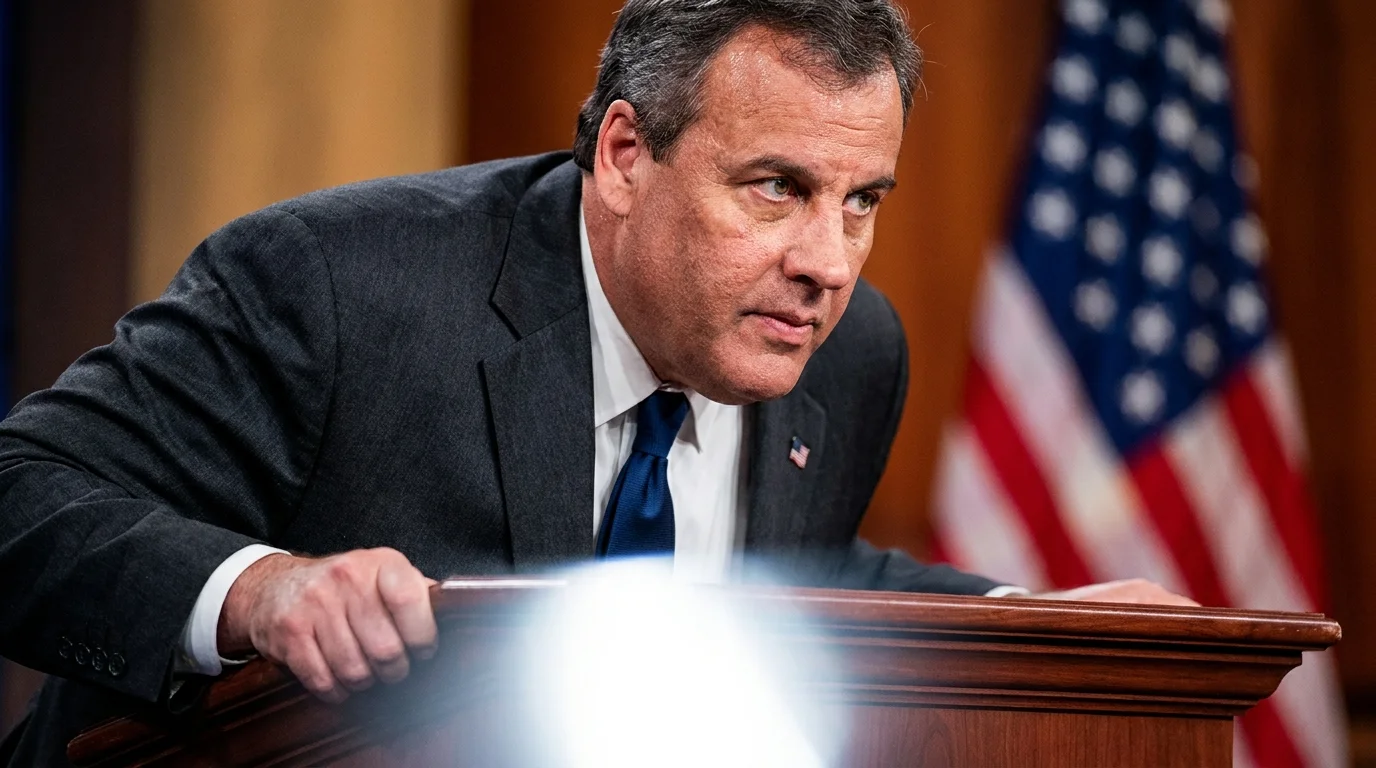
The studio floor runs ten degrees warmer than the control room. Overhead, towering banks of multi-kilowatt broadcast lights hum against the soundstage acoustic baffles, casting a dry, chemical warmth across the riser. When you watch from home, television sanitizes this friction into clean graphics and muted audio chimes, but standing thirty paces back, the glare strikes the glossy lacquer of the lecterns until the wood looks wet. Sweat begins to bead along the jawline of the frontrunners within the first twenty minutes.
For the opening hour, the debate follows the rehearsed script. The candidates pivot smoothly through grocery bills, interest rates, and border fencing, leaning into the soft cushions of focus-grouped talking points. Their posture stays relaxed, their shoulders loose, batting away rehearsed barbs with the practiced grin of veteran showmen who know exactly where camera two is tracking.
Then the primary moderator drops the papers on her desk, leans slightly forward, and cuts the domestic rhythm in half. At precisely 9:42 PM, a live wire enters the broadcast: a sudden question on the emergency War Powers resolution and the classified authorization votes quietly pending on Capitol Hill. In an instant, the room tightens like a drum skin.
The air changes. You can see it in their fingers gripping the beveled edges of the podiums. Their rehearsed cadence collapses instantly as the cold reality of foreign combat authorizations strips away their rhetorical insulation, exposing raw contradictions between what they voted for in closed committee and what they now promise from behind the microphone.
The Illusion of the Executive Shield
Most voters assume presidential power during international crises operates like a cruise control dial, managed entirely from the Situation Room with a stroke of an executive pen. The political machinery encourages this myth because broad, cinematic strength polls significantly better than the messy constitutional chore of building legislative consensus.
The truth is far less theatrical. When overseas skirmishes suddenly flare into extended deployment scenarios, the entire executive machine grinds against an unyielding constitutional wall: Article I, Section 8. An authorization for the use of military force is not a blank check signed by the commander-in-chief; it is a permanent mark pressed into the congressional record. When candidates stand under live broadcast lights, trying to simultaneously project decisive wartime strength and non-interventionist restraint, that paper trail catches them by the throat.
Think of foreign policy posturing like driving a sports car with the parking brake partially engaged. A candidate can rev the engine to impress the gallery, but the moment real deployment legislation reaches the floor, the metal begins to smoke. In that 9:42 PM collision, both candidates attempted to disown their own legislative fingerprints without alienating their respective party donors who funded those very strategic commitments.
- Dixville Notch midnight ballots spark rapid campaign panic across hand-carved cedar voting booths
- ActBlue smart tip popups trap small donors behind tiny glowing blue sliders
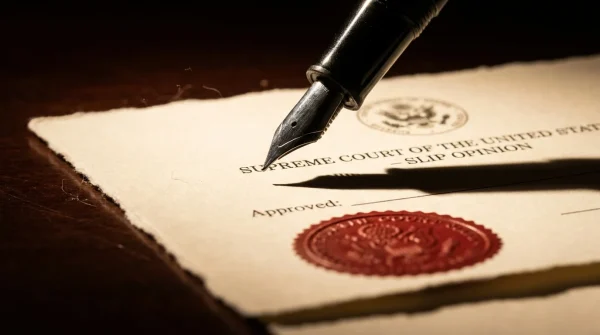
- Office of Legal Counsel memos block expansive presidential directives behind red wax stamps
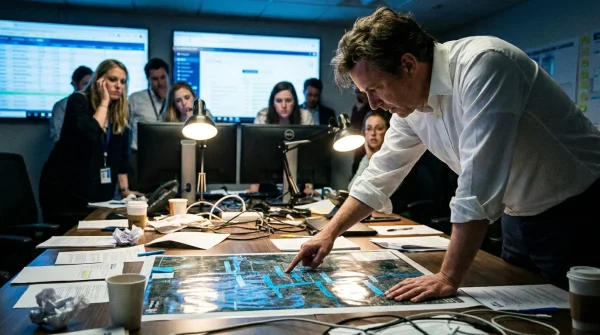
- Senate Legislative Counsel redlines derail midnight compromise packages with hurried pencil strikes
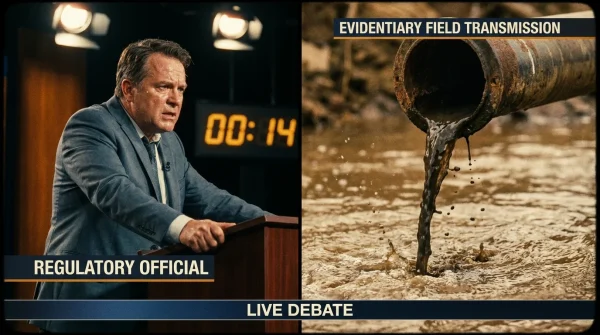
- Debate podium countdown clocks force sudden candidate stumbles under blinking amber numerals
Marcus Vance, a 48-year-old former congressional committee counsel who spent twelve years running backchannel war powers negotiation in the Senate, watched the broadcast from a briefing desk outside Washington. He recognized the shift immediately. “When a moderator forces a candidate to account for an authorization vote they thought was buried inside a defense omnibus package, their spine turns to water,” Vance remarked later that evening. “You can watch them calculate two years of donor promises against twelve seconds of live television, and the math never balances.”
The Three Factions Fracturing on Stage
Watching candidates scramble under the heat reveals that modern war authorization no longer breaks neatly down classic partisan party lines. Instead, you are looking at three distinct, competing doctrines operating under the exact same political banner.
The Strategic Hawk
This posture relies on broad, indefinite statutory authority. Proponents argue that tying a president’s hands with sunset clauses or strict geographical limits puts domestic bases at risk during asymmetrical crises. When challenged on past intervention votes, the Hawk frames historical votes as necessary deterrence, even when those votes resulted in extended, budget-draining foreign deployments.
The Constitutional Restraint Caucus
Representing a growing populist wing across both sides of the aisle, this group views military operation authorization votes as an overdue opportunity to reclaim legislative sovereignty. They demand rigid sunset clauses and strict geographical fences. Under debate pressure, however, their challenge is convincing the public that restraint does not equal paralysis when international shipping lanes or regional embassies face immediate threats.
The Tactical Ambiguity Play
This is the most common stance among frontline establishment candidates. They vote in favor of broad discretionary defense packaging behind closed doors while voicing skepticism on camera. When pressed by a moderator, they rely on technical qualifiers, claiming they supported the equipment funding rather than the offensive deployment mandate—a distinction that instantly falls apart under sustained follow-up questioning.
Auditing the Record Behind the Rhetoric
To cut through the theater of debate-stage arguments over military authorizations, you need a disciplined framework for tracking actual legislative mechanics rather than relying on broadcast soundbites.
- Check the specific roll-call tally for the underlying National Defense Authorization Act (NDAA) title amendments, not just the final omnibus passage vote.
- Examine whether the candidate co-sponsored sunset provision amendments that require formal reauthorization every two years, or if they voted to table them.
- Identify whether the statutory language relies on legacy Authorizations for Use of Military Force (AUMF) from decades prior, which candidates often exploit to bypass fresh floor debates.
- Review the committee transcripts from the Senate Foreign Relations or House Foreign Affairs panels, where candidates routinely reveal their candid operational thresholds away from television cameras.
Tracking legislative roll-calls directly protects you from accepting stylized campaign revisions that conveniently surface during election cycles.
The Citizen Voter’s Debate Audit Checklist:
- Reference Window: Pull Congress.gov voting records within 15 minutes of any debate claim regarding “defense votes.”
- Search Keywords: Cross-reference the specific bill number with phrases like “sunset clause,” “geographic restriction,” and “War Powers Resolution compliance.”
- Verification Metric: Contrast campaign website white papers with recorded roll-call votes on discharge petitions.
The Weight of True Authorization
When the broadcast lights finally cool and the stage crew sweeps away the scattered notes from the lecterns, the debate performance fades into the news cycle. What endures is the physical mechanism of the vote itself. Deciding when and where to authorize armed service members into hostile operational zones remains the single most consequential choice any elected representative makes on your behalf.
Understanding how candidates maneuver when confronted with their past authorization votes restores your footing as an informed citizen. You stop evaluating stage presence, cadence, and podium poise, focusing instead on the concrete legal authorities they are willing to unleash or restrain. That clarity gives you the leverage to see through the broadcast glare and demand true constitutional accountability before the next vote is cast.
“A vote cast for broad deployment authority cannot be rewritten with thirty seconds of debate-stage choreography.”
| Legislative Mechanism | Debate Stage Rhetoric | Constitutional Reality |
|---|---|---|
| Standing AUMF Precedent | Pledges to avoid foreign conflicts | Leaves active executive authority intact indefinitely |
| Strict Two-Year Sunsets | Framed by critics as executive weakness | Forces transparent floor votes and public debate |
| Omnibus Authorization Riders | Claimed as routine military payroll support | Embeds strategic deployment authorizations into budget bills |
Frequently Asked Questions
What is a military operation authorization vote?
It is a formal vote cast by members of Congress to grant the President statutory authority to use the armed forces in a specific conflict, fulfilling the legislative requirements outlined in the US Constitution and the 1973 War Powers Resolution.Why do candidates contradict their authorization records during debates?
National primary and general election electorates often favor non-intervention, whereas committee assignments and party leadership align with broader strategic commitments, creating a structural friction between a candidate’s past legislative tally and their public campaign platform.How does the War Powers Resolution factor into televised clashes?
The 1973 law requires the executive branch to notify Congress within 48 hours of deploying armed forces and mandates troop withdrawal within 60 days unless Congress passes a specific authorization or declaration of war, making it the central legal benchmark during stage debates.Where can I independently verify a candidate’s deployment votes?
You can use Congress.gov to search official roll-call records, committee report language, and floor amendments tied to National Defense Authorization Acts and specific standalone Authorizations for Use of Military Force.Does an authorization vote always mean boots on the ground?
No. Authorizations can range from logistical assistance and targeted airspace enforcement to open-ended combat operations, depending entirely on the statutory limitations and geographic definitions written into the legislative text.