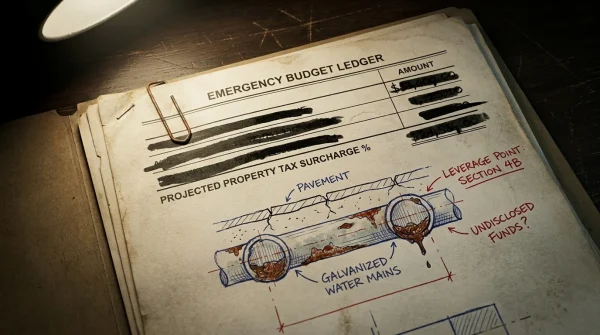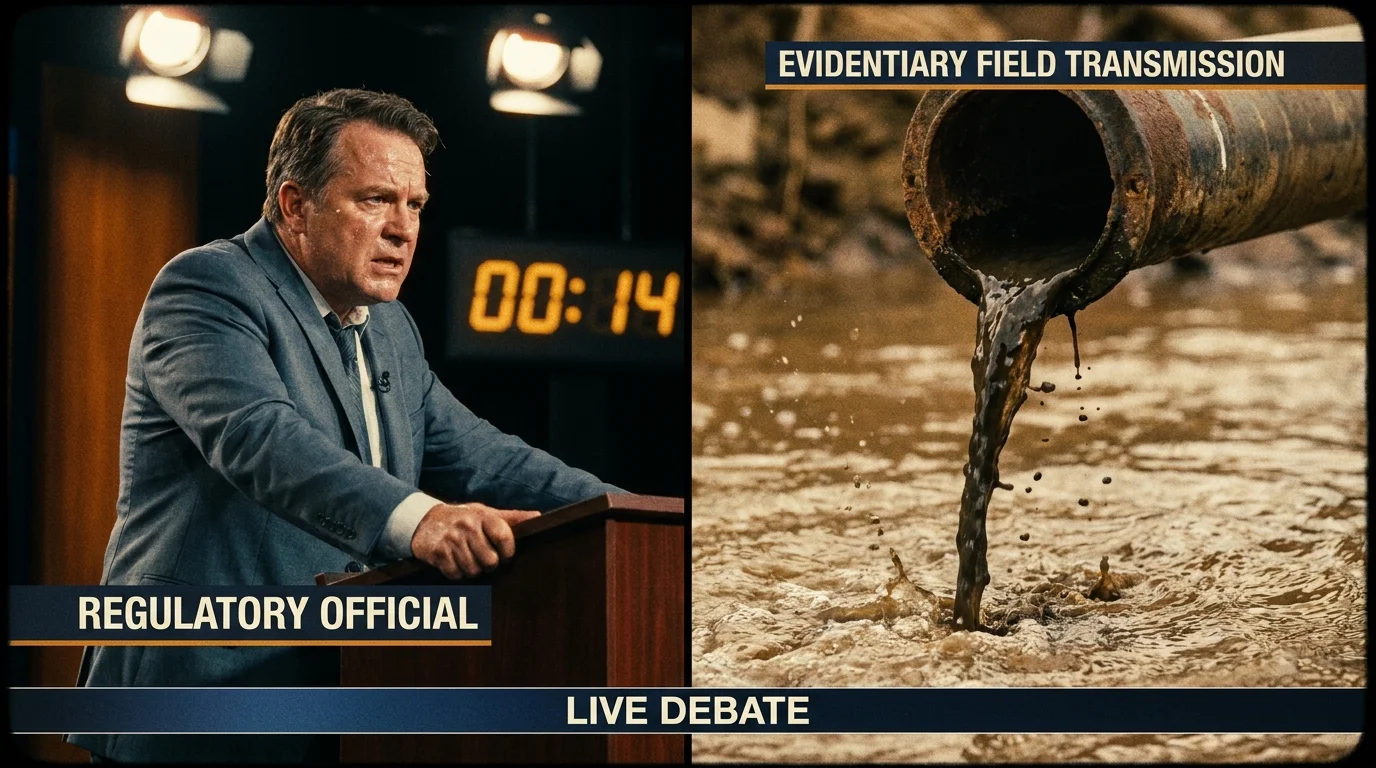
A rusted steel drainage outflow pipe drips into a muddy river basin, its rhythmic percussion cutting through the low hum of a highway two miles away. The morning air smells of damp silt, wet limestone, and the faint, bitter metallic tang of untreated mineral runoff. From the riverbank, the water looks no different than it did last week: thick, tea-colored, and swollen with seasonal rain.
You might picture landmark environmental law turning on sweeping courtroom debates, packed mahogany galleries, and 60-page opinions bound in buckram. The real mechanism is far colder and faster than that. A single electronic docket update filed past business hours can freeze federal oversight across thousands of miles of watershed before dawn breaks over the county line.
When the Supreme Court grants an emergency stay on administrative water rules, it does not draft a sweeping essay explaining the future of natural resource governance. It issues an unsigned order, often just two or three sentences long, pulling the teeth out of newly enacted industrial effluent standards while litigation crawls through lower appeals courts. Down on the riverbank, the immediate effect is total silence from regional enforcement officers.
The Phantom Brake Line in Administrative Law
For decades, citizens assumed that once a federal agency completed years of notice-and-comment rulemaking, those protective baselines held steady until a judge heard full oral arguments. That assumption is now obsolete. The highest court increasingly relies on what legal scholars call the emergency docket—a streamlined mechanism designed to halt controversial rules instantly without oral testimony or full briefing.
Think of this procedural shortcut as a sudden vacuum in the pipes of regulatory enforcement. When an emergency application succeeds, it does not strike down a statute; instead, it cuts the power cord to the enforcement machinery. Industrial facilities holding state-administered discharge permits find themselves operating in an uncanny gray zone, where yesterday’s strict limits on nitrogen, phosphorus, or heavy metals suddenly hang suspended in procedural limbo.
Dan Mercer, a 52-year-old water treatment plant director in the Ohio River basin, spent fifteen months retrofitting chlorination systems to comply with the Environmental Protection Agency’s updated effluent limits. Last Thursday, Mercer sat at his battered metal desk reviewing automated turbidity sensors when a corporate memo landed in his inbox: an emergency stay had suspended the rules entirely. For Mercer, who lives five miles downriver from an aging chemical plant, the sudden regulatory void meant his utility would have to absorb the filtering costs locally, without any federal legal leverage to force upstream compliance.
- Legislative casework tracking logbooks spark urgent committee vote flips across battered clipboard sign-up lines
- Universal school voucher accounts force suburban district cuts under dusty chalkboard classroom shortages
- Absentee ballot privacy sleeves block suburban mail-in tallies when sticky coffee rings smear envelopes
- Campaign yard sign cluster tallies switch suburban voting turnout predictions across soggy lawn turf
- 1976 Sunshine Act conference logs reveal backroom congressional bargaining over stained laminate hotel tables
Navigating the Ripple Effects: Who Absorbs the Shockwave?
The downstream consequences of a shadow docket stay do not distribute evenly across a map. They collect in specific geographic pockets where legacy manufacturing and municipal drinking water intakes share the same currents.
Downstream Municipal Utilities: When upstream dischargers gain relief from newly implemented thresholds, municipal filtration systems bear the chemical burden. If upstream plants pause multimillion-dollar scrubbers, your local water bill quietly climbs to pay for extra coagulants, replacement carbon filters, and intensive daily lab work. You pay the financial price for an unsigned order drafted hundreds of miles away.
Mid-Tier Industrial Operators: Many plant managers do not celebrate these sudden stays; they grapple with severe administrative whiplash. Having already allocated capital budgets toward meeting new federal discharge ceilings, they now face competitors who delayed upgrades and are now rewarded for foot-dragging. The unpredictability paralyzes long-term environmental engineering investments.
Community Riverkeepers and Watershed Coalitions: Citizen monitoring groups rely on federal discharge permits to hold local polluters accountable through clean-water lawsuits. An emergency injunction strips citizen suits of their sharpest statutory tools, forcing local activists to fall back on vague, understaffed state nuisance statutes that can drag out for half a decade.
A Practical Field Audit for Tracking Local Water Quality Shifts
You cannot depend on sudden administrative rollbacks to announce themselves at your kitchen tap. Taking control requires monitoring your watershed using the same baseline records state inspectors review.
Federal stays pause new standards, but they rarely invalidate baseline monitoring disclosures. With three calculated steps, you can track whether industrial outflows near your home are exploiting the temporary regulatory freeze:
- Inspect the EPA Enforcement and Compliance History Online (ECHO) database: Search your three-digit zip code prefix to pull active National Pollutant Discharge Elimination System permits, paying close attention to quarterly exceedance flags.
- Calibrate a digital total dissolved solids (TDS) meter: Sample your tap water weekly at 68°F; a sustained baseline jump of 50 parts per million suggests your municipal plant is wrestling with altered source-water chemistry.
- Review state water board docket notices: State environmental protection departments hold public comment windows whenever federal stays alter regional compliance schedules, offering a direct paper trail of corporate variance requests.
Assemble a minimalist tracking kit: a handheld digital TDS monitor, laboratory-grade testing strips for nitrates and heavy metals, and a clean glass jar. Track your readings twice weekly directly at the tap before filtration, recording results in a dedicated notebook alongside local rainfall patterns.
Reclaiming Sovereignty Over the Water You Drink
It is tempting to look at the machinery of appellate courts with a sense of quiet defeat. An unsigned order issued on a Friday evening feels impossibly distant from the clay banks and slow eddies of your home watershed, leaving you feeling entirely disconnected from the levers of power.
Yet understanding how these sudden stays work replaces vague dread with clinical clarity. When you know that an emergency injunction pauses federal enforcement without altering underlying state common law, you stop waiting for Washington to protect your watershed. You become the primary witness to your local river, armed with data, local municipal alliances, and the quiet vigilance that no judicial order can overturn.
The fastest way to lose environmental protection is to believe that someone in a black robe is watching the river for you.
| Key Point | Detail | Added Value for the Reader |
|---|---|---|
| Shadow Docket Stays | Unsigned orders freezing federal agency actions prior to full appellate review. | Reveals why new environmental protections vanish overnight without formal written opinions. |
| Compliance Whiplash | Industrial facilities face regulatory uncertainty, pausing capital investments. | Helps you identify which local factories are altering their wastewater treatment protocols. |
| Municipal Cost Shift | Treatment utilities absorb the expense of filtering chemical spikes locally. | Explains unexpected rate increases on your quarterly municipal water and sewer bills. |
Frequently Asked Questions
What is an emergency stay order in environmental law? It is a temporary injunction issued by the Supreme Court halting the enforcement of a federal rule while legal appeals are decided on their merits in lower courts.
Does a stay mean the water rule is permanently unconstitutional? No. A stay merely freezes enforcement during litigation; the regulation could still be upheld once formal oral arguments and merit briefs conclude.
How do emergency stays impact local drinking water? Downstream municipal plants may face higher concentrations of pollutants, requiring increased chemical treatments that can alter tap water taste and increase utility bills.
Can state environmental agencies still enforce clean water limits during a federal stay? Yes, provided the state has enacted its own independent water quality standards that do not legally depend on the contested federal rule.
Where can I find real-time data on nearby industrial discharges? The EPA’s ECHO platform provides searchable public records detailing permit limits, self-reported discharge logs, and recent violations for facilities nationwide.