The metal flap of your mailbox snaps shut with a hollow clatter in the quiet afternoon air. Inside lies a small stack of everyday circulars, grocery flyers, and utility bills, but one slip catches the eye immediately: a bright pink cardstock mailer stamped with bold black barcode ink. It looks almost too urgent to be real, like an automated parking violation or an overdue notice from a local utility you forgot you had.
You turn the postcard over in your hands. At the top, in stark block lettering, your county elections office has delivered a quiet shock: your mail-in ballot has been set aside due to a signature discrepancy, and your vote will not count unless you take action immediately. The assumption that dropping an envelope into a blue USPS box finishes your civic responsibility evaporates in seconds.
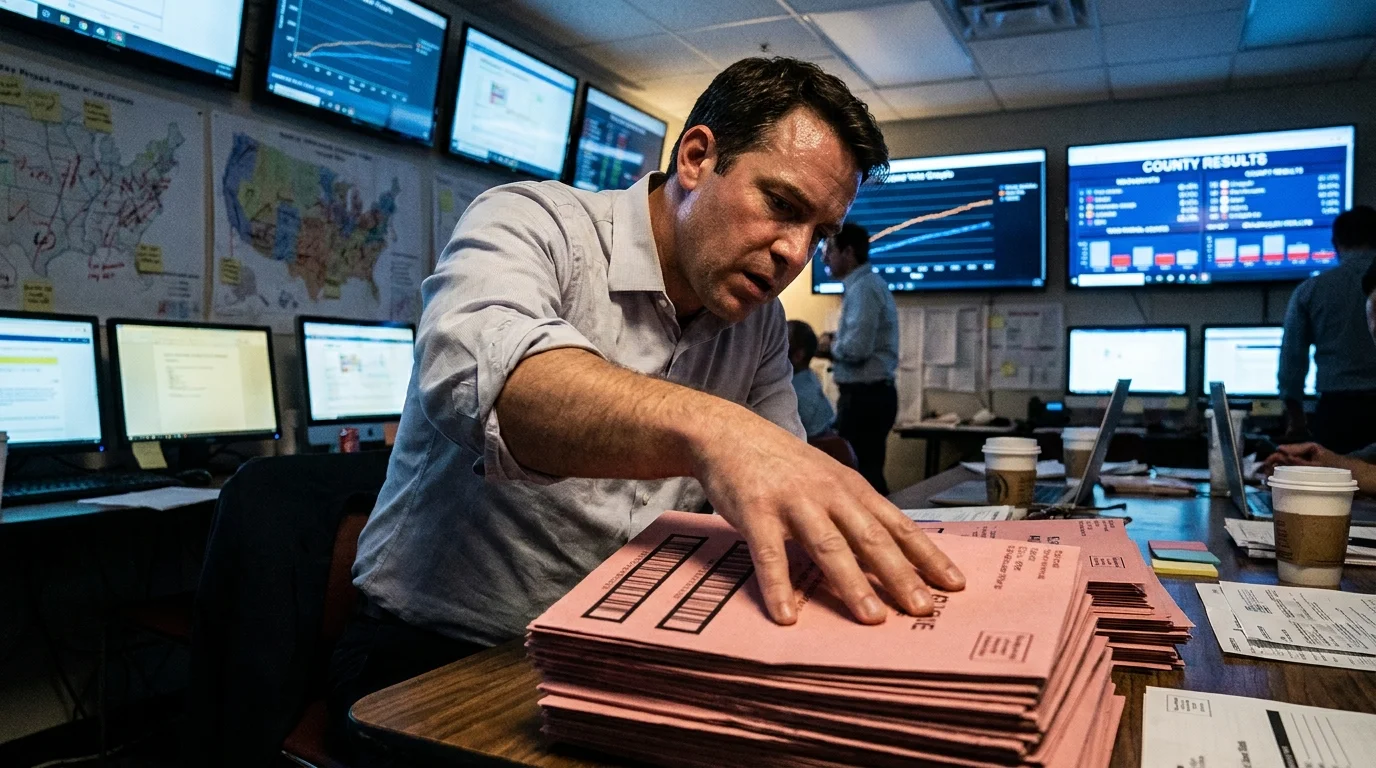
Most voters assume post-election day counting is a passive, scenic tally where election workers simply run paper through high-speed scanners until a winner emerges. The reality inside county election headquarters is far more rigorous, mechanical, and unforgiving. Hundreds of thousands of valid ballots face rejection every single cycle simply because an electronic signature pad at the DMV five years ago did not capture the natural slant of your pen stroke.
Now, the clock is ticking. What stands between your cast ballot and the rejection bin is a razor-thin window that is already running out.
The Analog Lock: Why Modern Ballots Fail the Pen Test
We live in a world governed by two-factor authentication, fingerprint sensors, and facial recognition scans, yet our democratic voice still hinges on an ancient forensic craft: hand-matching cursive strokes. When your mail-in ballot arrives at the processing center, an automated imaging camera or a trained two-person bipartisan review team compares the signature on the outside return envelope against the reference signature on your voter registration file.
Think of your voter file signature as an analog key in a physical lock. If your hand trembled from cold weather, if you signed hurriedly against the steering wheel of your car, or if your signature naturally deteriorated due to a medical condition, the key refuses to turn. When the review board flags a mismatch, state administrative law triggers an automated cure process, dispatching that bright pink cardstock notice to your registered address.
- Campaign flight cable buy sheets trap broadcast ad budgets in low-rated overnight slots
- 1972 Equal Rights Amendment lapel ribbons resurfaced forgotten state ratification battles across Midwest capitols
- Congressional Record roll call transcripts expose altered floor speeches through bracketed revision text
- Residential heat pump rebate forms strip homeowner savings with fine print electrical panel mandates
- Lake Ontario water management treaties trigger fierce Capitol Hill clashes over boundary rights
The misconception that discrepancies can be ironed out leisurely during state certification weeks creates catastrophic loss. In many jurisdictions, county election boards operate under statutory deadlines that give you as little as forty-eight hours from the initial postmark or electronic alert to submit verified proof of identity. If that cutoff passes, your ballot envelope remains sealed forever, categorized as rejected and discarded from the final tally.
Elena Vance, a 52-year-old lead canvassing clerk in Maricopa County, spends her post-election shifts auditing flagged signature queues. Last November, her team processed over 1,400 contested envelopes in a single forty-eight-hour window, watching dozens of otherwise eligible votes slip away simply because voters mistook the bright pink mailers for promotional campaign flyers and tossed them into recycling bins.
Cure Profiles: How Different Signatures Trigger Flags
Not every signature discrepancy occurs for the same reason. Understanding why your specific demographic or habits trigger automated review systems allows you to navigate the resolution path without panic.
The Digital Native Shift
Younger voters who registered to vote online or at the Department of Motor Vehicles rarely sign physical paper in daily life. Stylus signatures captured on low-resolution digital pads often compress letters into erratic, geometric shapes that look nothing like a smooth ballpoint signature on heavy envelope stock. If you fall into this group, election software frequently assigns your file a low similarity score, routing your ballot straight to manual review.
The Natural Drift Profile
For older voters or those managing neuromuscular changes like arthritis, handwriting naturally alters its slant, loop width, and baseline over several years. While election workers receive basic forensic training to account for aging patterns, substantial deviations force clerks to send a curing notice to protect against fraud. The cure postcard is not an accusation of misconduct; it is an administrative failsafe designed to verify that nobody else intercepted your document.
The Absentee and Relocated Voter
College students, military personnel, and temporary remote workers face the steepest hurdle because physical curing postcards arrive at their permanent registration address rather than their temporary dwelling. If you are away from home, relying purely on postal mail means the forty-eight-hour window will expire before you even see the cardstock notice. In these scenarios, digital tracking portals and phone verification lines become your only viable lifeline.
Mindful Resolution: The Exact Steps to Save Your Vote
When you receive a cure notification, panic causes delays, and delays cost votes. Resolving a signature discrepancy requires precise adherence to your county’s statutory evidence rules.
Treat the curing process like submitting a formal legal declaration. Gather your state-approved identification, read the instructions on the pink postcard thoroughly, and choose the fastest available transmission method rather than relying on standard return mail.
- Locate the Unique Barcode: Look at the lower corner of the pink cardstock for your voter ID tracking number and direct curing URL.
- Capture High-Contrast ID Images: Take a flat, well-lit photo of your qualifying photo ID (driver's license, state ID card, or passport) against a dark background with zero glare.
- Complete the Cure Affidavit: Sign the enclosed affirmation statement with a dark black ballpoint pen, matching your standard everyday handwriting.
- Upload via Official Web Portals: Use your county’s encrypted curing portal instead of regular mail whenever possible to bypass postal transit lag.
- Confirm Direct Receipt: Call the election desk or check the online ballot tracker twelve hours after submission to verify your status switched to 'Accepted'.
The Tactical Verification Toolkit
- Critical Window: 24 to 48 hours from issuance in strict statutory jurisdictions.
- Required Pen Medium: Black or dark blue archival ink (avoid gel pens or pencils).
- Accepted Secondary ID: Current utility bill, bank statement, or government paycheck showing matching name and address if photo ID is unavailable.
- Digital Image Specs: JPG or PDF format under 5MB with all four corners of the ID document visible.
The Bigger Picture: Protecting Your Voice in the Record
Navigating the ballot curing process provides a clear window into the intricate machinery that underpins modern elections. It reveals that our voting infrastructure is neither a frictionless digital cloud nor an indifferent bureaucracy, but a strict legal protocol balancing accessibility against rigorous validation.
Taking ownership of your signature verification removes chance from the outcome. When you master these tight administrative deadlines, you transform an unexpected pink postcard from an obstacle into a definitive assertion of your civic right, ensuring that your intent is counted accurately in the permanent historical ledger.
“A flagged ballot is not a rejected ballot until the statutory curing clock runs out without your response.”
| Key Point | Detail | Added Value for the Reader |
|---|---|---|
| Notification Trigger | Discrepancy between envelope signature and DMV/voter registration record. | Identifies why you received the pink cardstock notice unexpectedly. |
| Time Horizon | Strict 24 to 48-hour response deadlines in key swing districts. | Prevents ballot invalidation caused by waiting for weekend mail delivery. |
| Fastest Fix | Mobile upload through verified county portal with photo ID. | Guarantees instant timestamping before official canvassing boards convene. |
Frequently Asked Questions
What should I do if the cure deadline lands on a Sunday?
Check your county election website immediately; many jurisdictions provide online affidavit portals that timestamp submissions 24/7, even when physical government offices are closed.Can I cure my ballot in person at the election office?
Yes, visiting your county elections office with a valid government-issued photo ID is the most foolproof method to guarantee immediate clearance.Will my ballot be counted if I miss the forty-eight-hour window?
Under strict state election codes, ballots with unverified signatures that pass the statutory curing deadline cannot legally be opened or included in certified totals.Does a cure notice mean someone tried to steal my vote?
Rarely; the vast majority of cure notices stem from natural handwriting variation, stylus signatures at the DMV, or physical injury.Can someone else deliver my signed cure affidavit for me?
Some states permit authorized family members or designated couriers to deliver completed affidavits, but rules vary heavily by state, making secure online submission the safest option.