The oval glow of studio floodlights hums at a low pitch, warming the lacquered walnut of the lectern until the wood grain smells faintly of lemon wax and aged timber. If you watch archival television footage from the early 1980s, you see a man who appears to be simply leaning across a kitchen table, sharing an intimate, effortless thought with millions of American households. His tilt of the head seems improvised; his slight chuckle feels as fresh as morning coffee.
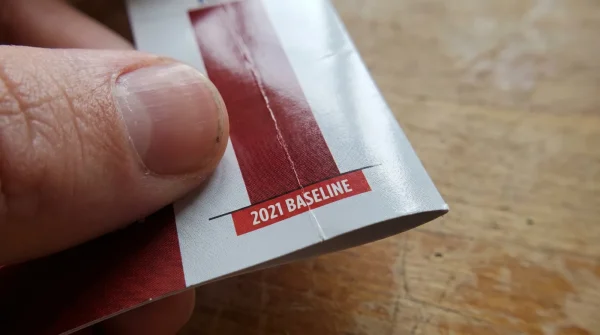
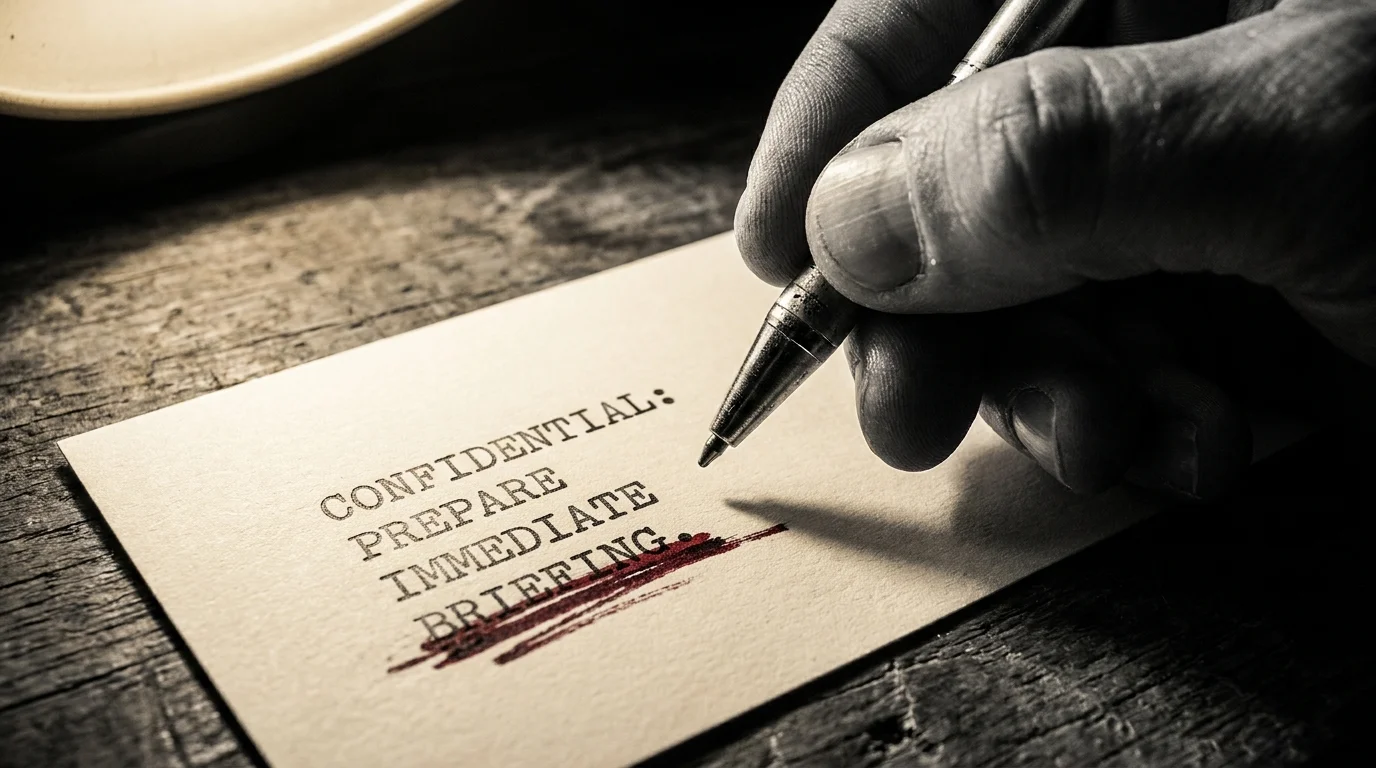
Yet tucked just below the lens line lay stacks of three-by-five inch index cards cut from heavy Bristol cardstock. If you held one today, your thumb would trace the faint dent of a steel typewriter ribbon, crossed out and recalibrated by smudged red ballpoint lines slicing beneath critical syllables. The Great Communicator did not simply speak; he performed an exact musical score scored in black carbon and crimson ink.
We tend to view magnetic leadership as an innate gift of grace—an unteachable spark of conversational charm. You imagine that when a speaker changes the national mood, they are operating purely on intuition and raw charisma. The reality behind the podium, however, is a discipline of physical mechanics, breath pacing, and engineered punctuation designed specifically for broadcast audio compression.
The Sheet Music of Televised Persuasion
Public speaking on television is less like addressing a town hall and more like timing a radio play. The human eye forgives hesitation, but the microphone catches every swallow, gasp, and rushing cadence. When speechwriters and media advisers sat down in the West Wing, they treated cue cards not as transcripts, but as rhythmic blueprints.
Every sentence had to match the natural decay rate of an audience’s attention span. Underlined red ink markers functioned as visual brakes. When you see a double stroke of red beneath a single monosyllabic word, it was a physical command: stop speaking for two beats, let the room exhale, and allow the microphone to register the silence before delivering the punchline.
Consider 68-year-old presidential archivist Martin Keller, who spent decades cataloging handwritten speech drafts in Simi Valley. Keller often pointed out that the most persuasive moments in modern broadcast history were not spontaneous outbursts of wit, but calculated silences where the speaker allowed the ambient room noise to settle completely before uttering three capitalized, phonetically spelled words designed to slice through household television speakers.
- Internal Revenue Code 174 changes trigger sudden tax hikes with frozen cash reserves
- Donald Trump White House staff departures enforce strict loyalty pledges halting departmental policy
- Optical scan ballot ovals block stray pencil markings under sharp infrared sensors
- FEC donor database receipts expose dark money conduits with matching split timestamps
- Goldwater 1964 precinct cards sparked grassroots delegate revolts across dusty suburban precincts
Anatomy of the Three-by-Five Card
The system was divided into specific visual layers, ensuring the speaker could glance down for a fraction of a second and immediately read their vocal cadence without losing connection to the camera.
Phonetic Mapping for Flawless Delivery
Foreign surnames, complex legislative titles, and economic statistics were never typed out in formal prose. Instead, speechwriters rendered foreign leaders into bold, capitalized syllables separated by hyphens (such as GOR-bah-choff). This eliminated the micro-second hesitation that makes a speaker look unprepared or uncertain under harsh studio lighting.
The Crimson Stop Signs
Black text conveyed semantic meaning; red ink governed breathing and tempo. Single underlines signaled a rising pitch and emphasis, while double red underlines demanded a drop in vocal register paired with absolute stillness. These visual anchors prevented the speaker from rushing through transition clauses during high-stakes prime-time addresses.
Whitespace as Pacing Architecture
Instead of dense paragraphs, each card held no more than four to six short lines. A generous half-inch of whitespace sat between thoughts, giving the speaker’s eyes a safe harbor to reset their gaze back to the camera lens without losing their place on the page.
Mindful Pacing: How to Score Your Own Presentations
You do not need an Oval Office lectern to benefit from physical pacing markers. Whether you are addressing a school board, recording a video presentation, or speaking at a board meeting, mapping your delivery creates a sense of calm authority that memory alone cannot supply.
- Limit your text density: Never put more than forty words on a physical card to prevent your eyes from wandering horizontally across the paper.
- Adopt color-coded staging: Write your primary message in dark black ink, but use vibrant red markers exclusively for pauses, breaths, and physical movement cues.
- Spell out difficult terminology: Break down technical terms and personal names into phonetic syllables to bypass cognitive hesitation at the podium.
- Mark deliberate silences: Use double slashes or red underlines to remind yourself to pause for a full two seconds after key assertions.
The Tactical Toolkit for Clear Delivery
To implement this method cleanly, assemble the physical tools that keep your delivery steady under pressure:
- Heavyweight 100lb unruled index cards (prevents light from shining through from behind).
- A medium-point black felt pen for legible, glare-free core text.
- A bold red ballpoint or gel pen for dynamic rhythm and pause annotations.
- A strict physical card counter: keep your total deck to under twelve cards per ten minutes of speaking time.
The Human Value of Measured Silence
When you learn to score your speech with deliberate pauses, you realize that true confidence is not about speaking quickly or demonstrating flawless memory. It is about being comfortable with the space between words. Rushing through an idea signals anxiety; holding a silence commands the room.
By treating your notes as a rhythmic guide rather than a defensive safety net, you free yourself to genuinely connect with the listener on the other side of the room or the lens. The smudged red lines on an index card were never meant to hide a lack of spontaneity—they were the very tools that made genuine human connection possible across millions of glowing screens.
“Silence on a microphone is not empty air; it is the frame that gives your next thought its entire weight.”
| Key Element | Structural Detail | Added Value for the Reader |
|---|---|---|
| Red Underlining | Double ballpoint scoring under key transition words | Enforces deliberate pauses and prevents nervous tempo acceleration. |
| Phonetic Scripting | Capitalized, hyphenated syllable breakdown | Eliminates micro-stutters and projects effortless familiarity with complex topics. |
| Whitespace Padding | Maximum 4-6 lines per Bristol index card | Allows instant optical acquisition without breaking eye contact with the audience. |
Frequently Asked Questions
Why didn’t television speakers rely entirely on teleprompters?
Early teleprompter glass was bulky and restricted the speaker’s physical sightlines, while hand-held index cards allowed natural head movement and intimate conversational angles.How long was a typical pause marked by red ink?
Red underlines generally indicated a deliberate pause of one to two full seconds, allowing room audio to settle and the audience to absorb the previous statement.Why use Bristol cardstock instead of standard paper?
Heavy cardstock prevents the papers from rattling under sensitive condenser microphones and avoids visible bending under hot studio floodlights.Can this technique be used for digital virtual meetings?
Yes. Placing formatted, color-coded physical cards directly beside your webcam lets you maintain high eye contact without scrolling through digital windows.What is the biggest mistake speakers make when pacing their notes?
Packing too much text onto a single prompt card, which causes eye-darting and forces the speaker into a rushed, monotone cadence.