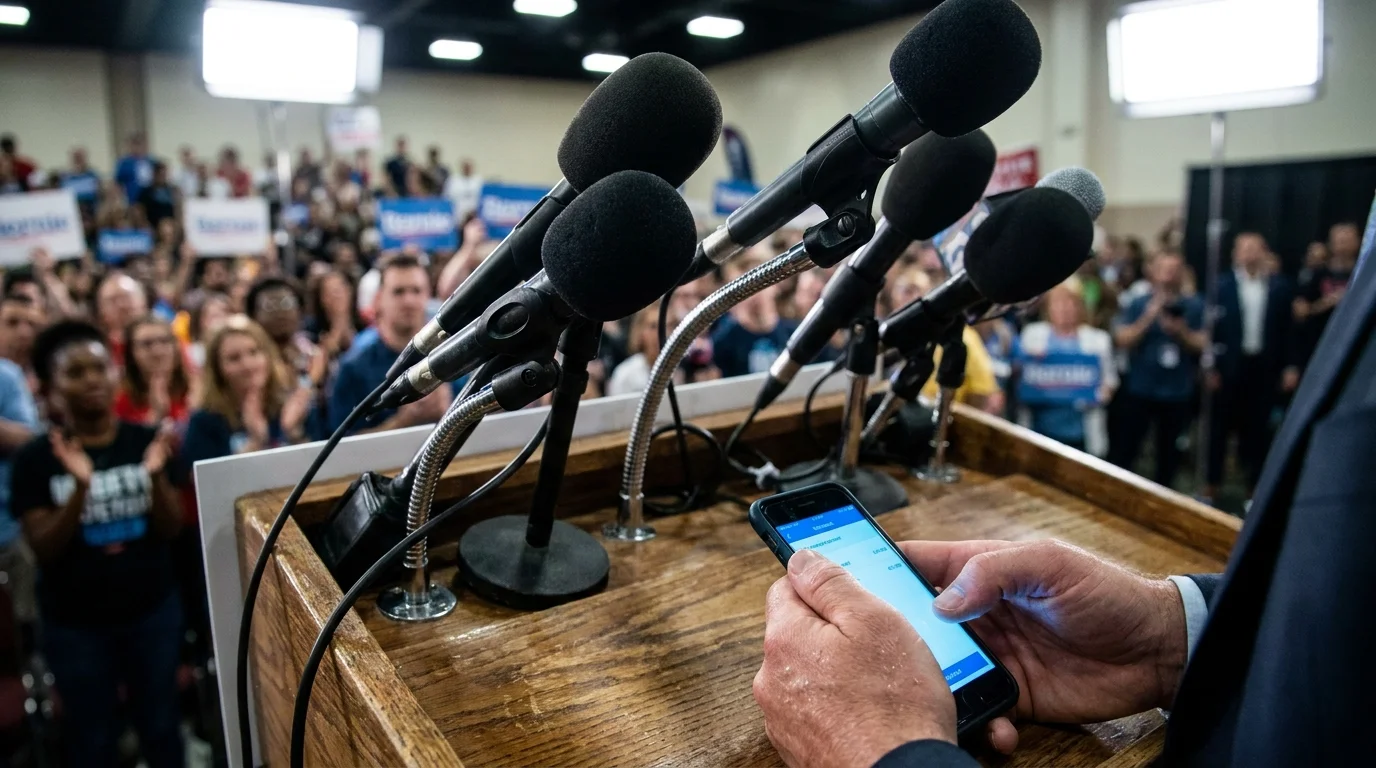
Your bedside table vibrates twice in rapid succession at 9:42 PM. In the quiet darkness of your bedroom, the room fills with the cold, sterile glow of a glowing blue smartphone checkout screen. You reach over, expecting a text from an old friend or a family member checking in, but find instead a message that feels startlingly intimate: “Are you awake? I noticed you haven’t renewed your membership, and our deadline is in twenty-two minutes.”
Before you can even process the words, three soft grey dots pulse in a gentle wave inside an animated bubble at the bottom of the screen. It looks exactly like someone hovering over their keyboard, typing frantically in real time, agonizing over every syllable they send to you. You wait, held hostage by the rhythm of those three flickering dots, before a pre-filled donation link drops into the thread with buttons for ten, twenty-five, or fifty dollars.
We are told that modern politics has been democratized by grassroots energy, that millions of everyday citizens are happily financing democracy five dollars at a time. But when you look closely at that glowing glass in your hand, what you are experiencing is rarely spontaneous civic passion. It is the calculated output of high-velocity conversion optimization designed to bypass your rational defenses before you even roll out of bed.
The Digital Puppeteer: How Artificial Friction Fakes Human Presence
For decades, political campaigns treated fundraising like a church collection plate: you showed up, listened to a speech, and dropped cash into an envelope. Today, micro-fundraising operates more like an algorithmic casino designed by behavioral economists who studied the dopamine loops of mobile gaming.
The secret weapon of modern peer-to-peer texting isn’t the political message itself; it is the engineered simulation of human presence. When a platform forces an artificial delay of 3.8 seconds and displays a simulated typing bubble, your brain categorizes the sender not as an automated blast from a server farm in Northern Virginia, but as an exhausted campaign worker sitting in a local field office.
This is interface theater. By mimicking the subtle visual quirks of an authentic human conversation, campaign software creates an unspoken social obligation. In human sociology, when someone looks you in the eye or types directly to you, ignoring them feels rude. Micro-donation platforms exploit that exact evolutionary wiring to make swiping your digital card feel like basic courtesy rather than a political transaction.
- War Powers Resolution notifications block presidential troop deployments using sixty-day statutory countdowns
- Farm Bill markup amendments switch crop subsidy payouts through rushed midnight margin scrawls
- Teleprompter glass screens trap nervous candidates through reflective studio beam angles
- Cell phone voter surveys strip rural turnout estimates through noisy background audio filters
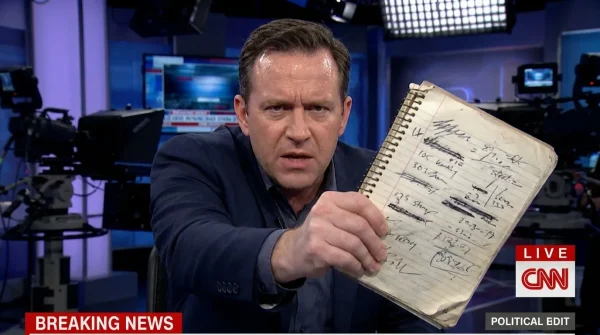
- Franklin Roosevelt fireside scripts enforce dramatic voice drops with handwritten double underlines
The View from the Optimization Lab
Maya Lin, a 34-year-old former conversion rate optimization lead for national PACs in Washington, D.C., spent years fine-tuning these exact digital funnels. During the heat of the 2022 midterm cycles, her team ran hundreds of multivariate tests on message delivery mechanics.
“We discovered that if a donation text arrived instantly as a static wall of text, voters treated it like spam and deleted it within two seconds,” Maya explained during a candid debriefing. “But when we introduced a programmatic four-second delay paired with an animated typing indicator, conversion rates spiked by over forty percent. The donor genuinely believed an intern was personally waiting on their response. We weren’t selling policy; we were selling synthetic intimacy.”
The Architecture of Political Guilt: Three Distinct Target Profiles
Digital campaign apparatuses do not treat all voters the same way. Machine-learning algorithms categorize your phone number based on your response times, transaction history, and emotional triggers, routing you into precise psychological funnels.
The Crisis Responder
If your past data shows that you only contribute during moments of breaking news or national controversy, algorithms deploy high-urgency syntax. These messages arrive with flashing red hazard emojis, artificial countdown clocks, and warnings that failure to act within sixty minutes will surrender ground to your political rivals. The checkout page loads with your payment credentials already cached, requiring nothing more than a single thumb swipe to transfer twenty-five dollars.
The Civic Habitual
For reliable, low-dollar recurring contributors, the messaging pivots from panic to validation. These texts frame your contribution not as an emergency bailout, but as sustaining an exclusive community. The typing bubble appears slower, mimicking a thoughtful organizer sharing an insider update from campaign headquarters, subtly priming you to keep recurring monthly donations active indefinitely.
The Hesitant Skeptic
When you ignore three messages in a row, the platform automatically changes tone. The script adopts a slightly wounded, passive-aggressive posture: “We reached out twice and didn’t hear back. Did we do something wrong?” The interface delay stretches longer, creating a brief pocket of emotional tension that makes opening the checkout link feel like resolving an awkward social conflict.
Taking Back Your Screen: A Protocol for Digital Defense
Reclaiming your peace of mind from high-pressure micro-donation engines does not mean disengaging from political life. It simply requires understanding that your smartphone screen is contested territory.
To sever the algorithmic hooks without losing touch with causes you actually care about, apply these practical digital boundaries:
- Enforce the Universal Opt-Out: Replying strictly with the word “STOP” triggers automated federal compliance filters that legally mandate the platform to drop your number from that specific sender ID.
- Banish One-Click Payment Caching: Clear saved payment tokens from platforms like ActBlue or WinRed within your mobile browser settings. Introducing physical friction—forcing yourself to manually enter a credit card number—instantly breaks the emotional spell of simulated urgency.
- Route Donations to Official Desktop Portals: Never donate through a link sent via an unsolicited text message. If a candidate’s appeal moves you, navigate independently to their verified website on a desktop browser to contribute on your own terms.
- Filter Unknown Senders at the OS Level: Activate message filtering on iOS (Settings > Messages > Filter Unknown Senders) or Android to banish unassigned shortcodes to a separate, silent inbox.
The Bigger Picture: Reclaiming Genuine Grassroots Intent
The triumph of small-dollar fundraising was supposed to liberate our political system from the backrooms of wealthy megadonors. Yet, in handing the reins over to interface engineers and conversion algorithms, we traded one form of distortion for another. Instead of wealthy donors buying access behind closed doors, digital funnels harvest millions of dollars by manufacturing anxiety on your bedside table.
True grassroots power does not rely on a programmatic typing bubble or an engineered sense of impending doom. When you strip away the simulated delays and artificial urgency, you restore your ability to choose your civic commitments deliberately, guided by calm conviction rather than a glowing screen designed to catch you half-awake.
“When an interface manipulates your natural social instincts to extract capital, it ceases to be grassroots engagement and becomes cognitive extraction.”
| Key Point | Detail | Added Value for the Reader |
|---|---|---|
| Simulated Typing Indicators | Programmed 3–5 second delays that mimic human text drafting. | Helps you recognize that the message is an automated broadcast, not a personal appeal. |
| Pre-Cached Checkout Rails | Payment infrastructure that turns donations into a single-swipe reflex. | Encourages clearing stored browser payment tokens to restore thoughtful friction. |
| Algorithmic Guilt Framing | Automated scripts tailored to induce social obligation or panic. | Empowers you to recognize emotional manipulation and disengage without remorse. |
Frequently Asked Questions
Why do I keep getting political texts from candidates I never supported?
Political campaigns and third-party data brokers frequently trade, rent, and merge voter registration files with commercial contact lists. When you donate to or sign a petition for one group, your number is often shared across an entire vendor ecosystem.Does replying ‘STOP’ actually work, or does it confirm my number is active?
Replying “STOP” is enforced by carrier-level compliance rules. Major peer-to-peer texting vendors are legally obligated to suppress your number from that specific campaign’s outgoing list once that standard keyword is received.Why do political texts look like they are coming from a local area code?
Fundraising platforms use local number pooling and dynamic routing software. This automatically assigns a virtual sender number that matches your area code to increase the likelihood that you will open the message.Are campaigns allowed to send these text messages without my consent?
Under current federal regulations, peer-to-peer (P2P) texting platforms argue that because an individual worker clicks a button to queue the batch, the messages are not technically “auto-dialed” under the Telephone Consumer Protection Act, exploiting a major regulatory loophole.What is the best way to support a candidate without getting spammed?
Donate directly through the candidate’s official campaign website on a computer, use a secondary virtual phone number (like Google Voice) for civic sign-ups, and uncheck any pre-selected boxes that authorize ongoing communication or affiliate data sharing.