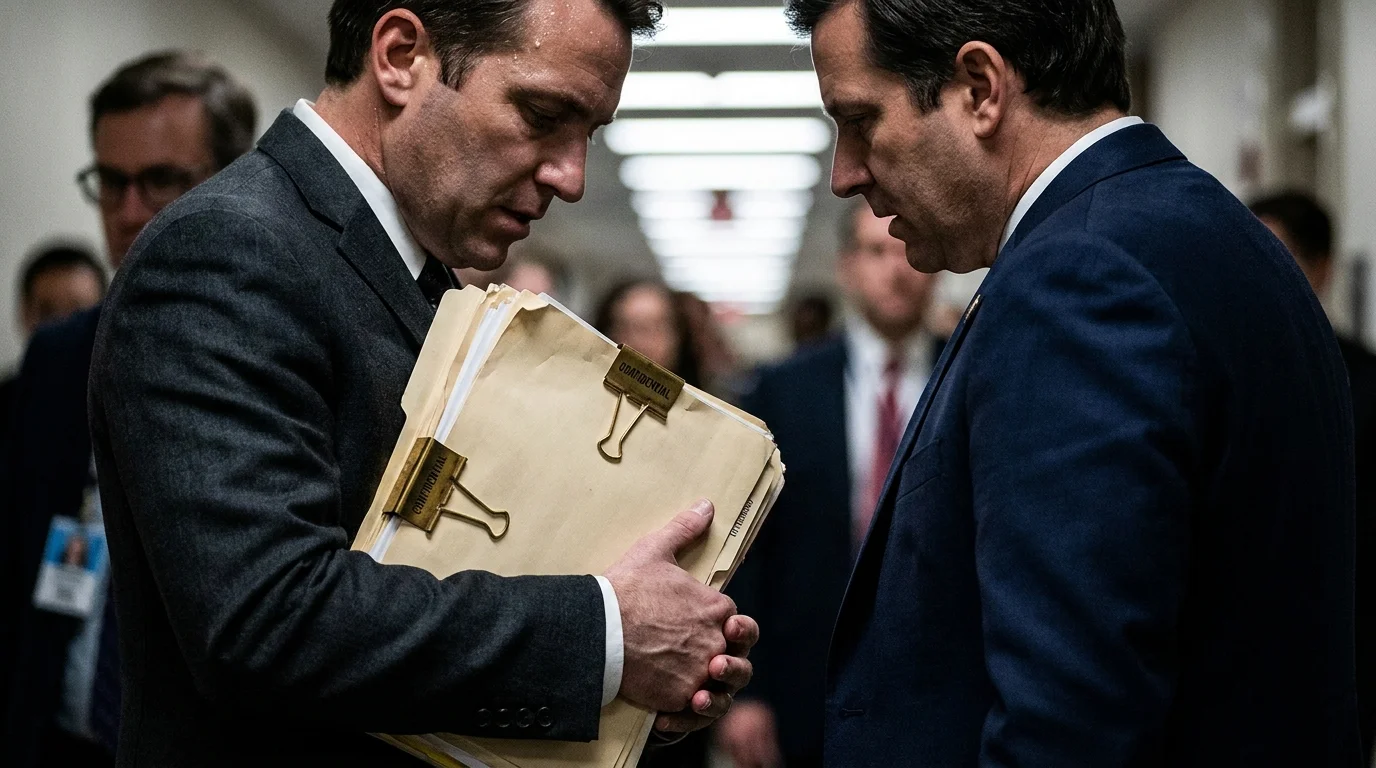
The muffled hum of the Longworth basement gives way to the sharp snap of heavy metal against cardstock. Inside the secure rooms of Capitol Hill, thick brass binder clips strain to hold confidential committee personnel dossiers together, each thick stack bearing the career trajectory and service records of three- and four-star general officers. The air smells faintly of industrial carpet cleaner, stale roast coffee, and the quiet tension of an impending institutional clash.
You might expect a change in civilian leadership at the Department of Defense to move at the speed of bureaucracy: slow, predictable, and wrapped in procedural memos. Instead, the sudden move by Pete Hegseth to bypass conventional transition steps and push for immediate flag-officer dismissals has shattered standard Pentagon protocol, leaving lawmakers on both sides of the aisle scrambling for their committee gavels.
Behind the closed oak doors of the House and Senate Armed Services Committees, aides are scrambling to parse personnel dockets that typically take months to evaluate. When high-ranking military leadership is severed without the traditional consultation cycle, the ripple effects travel instantly from the E-Ring corridors across the Potomac straight into congressional hearing rooms.
The Balance Between Commander Authority and Legislative Oversight
To understand the sudden collision between the Pentagon front office and Capitol Hill, think of the defense establishment not as a single executive pyramid, but as an arched stone bridge. One side of the arch rests on Article II executive authority—the president’s constitutional role as Commander-in-Chief. The other side rests on Article I powers, which grant Congress the sole authority to fund the armed forces, establish military regulations, and confirm senior promotions.
When civilian appointees attempt to remove established commanders overnight, they test whether that bridge can sustain an abrupt shift in weight. The current friction is not simply a squabble over personnel; it is a fundamental stress test of how civil-military relations function in modern governance. If the legislative branch feels bypassed, its response is rarely quiet—it uses the hearing room as a blunt instrument.
- Omnibus appropriations rider slips switch contentious funding lines with hurried pencil scratches
- Florida primary election results expose massive precinct shifts across coastal suburban voting corridors
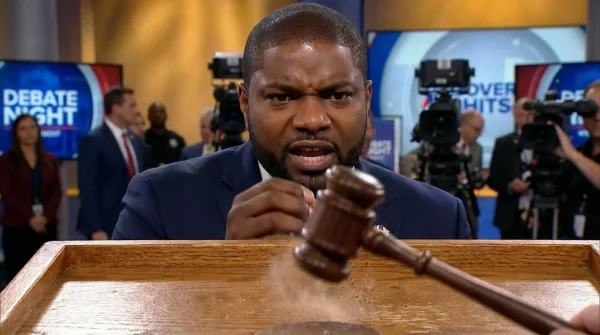
- Byron Donalds floor debate sparks explosive clashes over disputed congressional spending measures
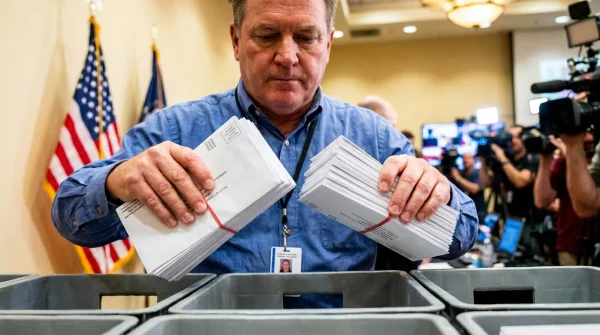
- Dixville Notch midnight ballots reveal early primary momentum under harsh wooden lodge spotlights
- WinRed SMS fundraising blasts trigger urgent panicked ringtones to drain fixed retiree accounts
Behind the Closed Committee Doors
Consider the view of Marcus Vance, a 52-year-old veteran national security attorney and former staff director for the Senate Armed Services Committee. Watching the incoming notifications hit legislative desks this week, Vance noted that the speed of these dismissals caught even seasoned defense planners off guard. In his decades reviewing Title 10 command assignments, removals of this magnitude without advance closed-door briefings have historically triggered immediate, bipartisan subpoenas.
The administrative pushback reveals clear battle lines across several congressional oversight bodies. Lawmakers are not merely debating individual nominations; they are staking out territory over how much unilateral control a defense secretary can wield over the joint staff.
Mapping the Legislative Fault Lines
The dispute divides Capitol Hill into distinct ideological and procedural camps, each approaching the sudden command dismissals through a different legal framework.
For the defense institutionalists on the committees, the priority is maintaining global operational continuity above all else. They argue that abruptly clearing out institutional memory at the highest ranks creates critical vulnerabilities during active foreign conflicts and complicates theater commands from INDOPACOM to EUCOM.
For proponents of executive restructuring, the maneuver represents an overdue reassertion of civilian control over an entrenched military establishment. Their position holds that any administration possesses the inherent authority to align flag leadership with its strategic vision, regardless of customary confirmation rhythms.
Meanwhile, the legal watchdogs focus squarely on statutory compliance under Title 10 of the U.S. Code. They are scrutinizing whether proper administrative procedures, formal evaluation boards, and mandatory statutory notifications were observed before termination notices reached the general officers’ desks.
Decoding the Hearing Schedule and Committee Toolkit
As the conflict moves into public and classified session rooms, you can monitor the real-time political fallout by tracking key legislative actions. Lawmakers possess a concrete set of procedural levers to challenge or stall rapid personnel overhauls.
- Emergency Hearing Invocations: Committee chairs can demand immediate, sworn testimony from Pentagon personnel directors, freezing contested personnel actions until formal hearings conclude.
- Confirmation Holds: Senators can place blanket or individual holds on down-ballot civilian and military appointments, effectively halting the promotion pipeline until oversight demands are met.
- Statutory Budget Riders: Appropriators can attach restrictive language to national defense authorization measures, cutting off operational funds for specific administrative reorganizations.
- Formal Inquiries to the Inspector General: Directing the DoD IG to audit the procedural legality behind dismissal recommendations forces formal written documentation into the public record.
Keeping an eye on these hearings requires watching committee transcripts rather than cable news chyrons. Pay close attention to whether committee questions focus on administrative procedure or broader ideological mandates.
The Long-Term Stability of National Defense
When the dust settles on these emergency hearings, the lasting outcome will not just be who sits in specific command chairs at the Pentagon. The true resolution will define how much authority future defense secretaries hold when reshaping the military brass against congressional wishes.
Understanding this balance gives you clarity amid the barrage of political headlines. By focusing on the structural friction between legislative statutory power and executive discretion, you see the real machinery of American governance at work—deliberate, combative, and designed to resist sudden shifts in institutional power.
Read More