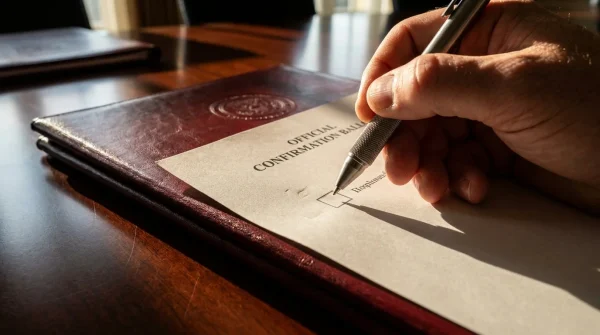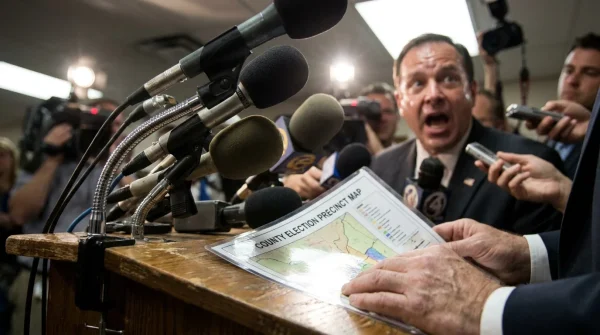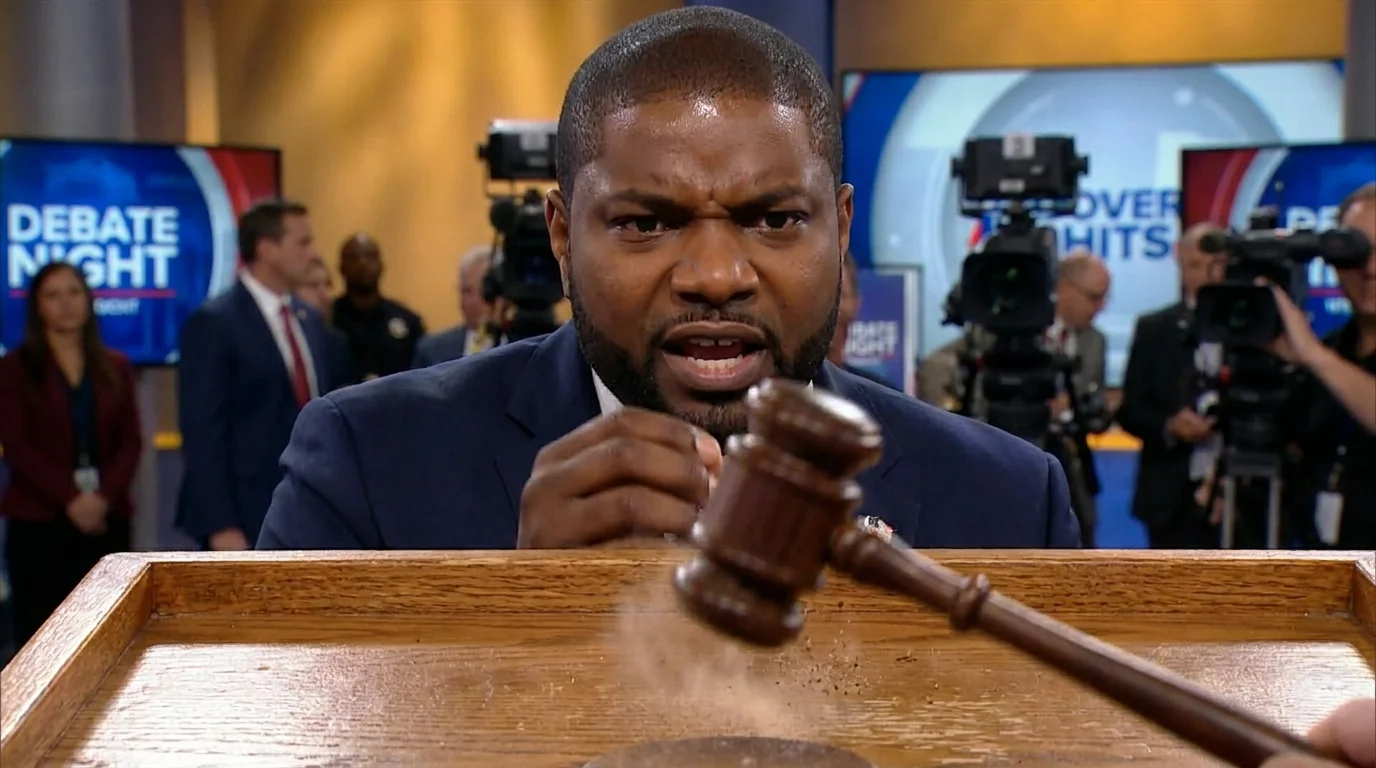
The sharp crack of the wooden gavel against the polished oak podium doesn’t just call a room to order; it echoes through the marble corridors like dry thunder. You watch the television feed freeze for a second as lawmakers seated along the tiered mahogany benches lean forward, setting aside their thick briefing packets. The air in the House chamber carries the faint scent of aged parchment, chilled recirculated air, and the sudden, electric friction of a scheduled day torn to ribbons.
Most people assume legislative debate is a dry recital of prepared index cards, an empty ritual played out to vacant blue velvet chairs. But when Representative Byron Donalds stepped up to the floor microphone, that sterile rhythm collapsed. A routine morning meant for quiet committee markups turned into a high-decibel confrontation that brought committee schedules grinding to a dead halt.
You could see the visible agitation across both sides of the aisle. Papers rustled violently, whispered consultations formed tight clusters behind the brass rail, and the presiding chair was forced to hammer that oak rostrum repeatedly to pierce the mounting roar. This was not scripted political theater; it was an open revolt against the baseline assumptions of federal appropriations.
The Clockwork Trap of the Floor Fight
It is easy to view these high-decibel disputes as pure partisan noise, a shouting match designed solely for thirty-second social media clips. Yet treating this confrontation as mere political theater misses the structural fault line cracking open beneath your feet. The floor of the House operates not like a town hall, but like a high-tension gear train where small procedural levers can jam the entire machine.
Procedural levers dictate national policy far more than grand speeches ever will. When Donalds stepped into the well to challenge disputed discretionary spending caps, he bypassed the gentleman’s agreements that usually smooth over eleventh-hour appropriation riders. Instead of playing defense behind committee doors, he leveraged rule exceptions to force an immediate public reckoning on mandatory versus discretionary line items.
- Dixville Notch midnight ballots reveal early primary momentum under harsh wooden lodge spotlights
- WinRed SMS fundraising blasts trigger urgent panicked ringtones to drain fixed retiree accounts
- Federal Register publishing queues block emergency administrative orders until midnight ink stamps dry
- Split-screen debate camera lenses trap squirming candidates during split second visual cutaways
- Automated robocall poll screens strip working class responses across noisy evening dinner hours
Marcus Vance, a 44-year-old former House legislative director who spent twelve years navigating markup sessions in the Longworth building, watched the live feed with a knowing nod. “When a member uses a point of order or a privileged motion to halt regular order over spending metrics, the planned calendar simply evaporates,” Vance noted. Donalds bypassed conventional backroom bargaining by demanding line-by-line justification under open floor rules, catching party whips off guard and turning a routine procedural vote into a binding fiscal stress test.
Mapping the Factions: Three Ways the Spending Clash Lands
To understand why this specific debate exploded, you have to look at how different wings of the Capitol process the underlying numbers. This is not a single argument; it is three separate battles fought under one ceiling.
1. The Fiscal Insurgents
Driven by members aligned with Donalds, this group views standard continuing resolutions as institutional failure. For them, halting the floor calendar is a feature rather than a bug. They want direct, painful roll-call votes on specific agency outlays rather than massive omnibus packages passed in the dead of night.
2. The Committee Cardinals
These are senior appropriators who guard their jurisdiction with extreme vigilance. Decades of negotiated funding formulas are threatened when floor amendments bypass their subcommittees, creating intense friction between senior panel chairs and vocal floor tacticians.
3. The Frontline Moderates
Lawmakers holding competitive, split-ticket congressional districts dread unscripted floor skirmishes. Every abrupt roll-call vote forced during a spending brawl creates a paper trail that must be defended back home during town halls and local campaign stops.
The Citizen’s Lens: How to Decode Procedural Clashes in Real Time
When floor skirmishes dominate the news cycle, filtering signal from noise requires watching the mechanics rather than the rhetoric. You do not need a political science degree to read the board; you just need to track three distinct procedural indicators.
- Watch the Rule Vote: Before any major bill reaches the floor, the Rules Committee sets debate boundaries. If the rule passes by only one or two votes, expect an explosive floor fight within hours.
- Track the Motion to Recommit: This is the final procedural wrench thrown before passage. When coalition discipline breaks here, the entire legislative package stalls.
- Note the Time Yields: When floor managers refuse to yield routine speaking time to members of their own party, it signals severe internal fractures behind closed doors.
Why Procedural Friction Protects Your Stake
Quiet consensus in Washington often costs taxpayers the most. When bills glide through without friction, it typically means every interest group received funding behind closed doors with minimal scrutiny. The sudden, gavel-cracking clash led by Byron Donalds might feel chaotic on your screen, but friction is the system’s native alarm bell. Recognizing when a lawmaker uses the rulebook to force daylight onto multi-billion-dollar ledgers allows you to see past talking points and evaluate who is actually guarding the treasury.
“The House floor was designed to be a crucible of open debate, not an assembly line for rubber-stamping pre-packaged fiscal compromises.”
| Key Point | Detail | Added Value for the Reader |
|---|---|---|
| Procedural Stalls | Use of floor motions to delay regular orders of business. | Signals genuine policy division rather than performative cable news rhetoric. |
| Appropriations Riders | Policy conditions attached directly to operational spending bills. | Reveals which federal agency programs face immediate operational cuts. |
| Floor Gavel Discipline | Presiding officers striking the podium to restore chamber decorum. | Indicates a breakdown in predetermined leadership vote agreements. |
Frequently Asked Questions
Who is Byron Donalds and why did this debate draw national attention?
Representative Byron Donalds is a high-profile Florida lawmaker known for aggressive fiscal conservatism. His floor challenge gained rapid traction because it disrupted planned committee schedules and forced unscripted debate on contentious federal spending caps.Why do procedural motions disrupt committee meetings?
House rules dictate that when certain privileged motions or recorded floor votes are triggered, members must leave their respective committee rooms to cast their ballots on the chamber floor, bringing panel work to a sudden halt.What is the difference between mandatory and discretionary spending in this fight?
Discretionary spending is funded annually through congressional appropriations bills and forms the battleground for these floor clashes, whereas mandatory spending is governed by permanent statutory formulas.Can one member actually stop a federal spending bill on the floor?
A single member cannot block a bill alone, but by mobilizing a unified voting bloc and using procedural maneuvers, they can withhold the votes needed to pass rules or final legislation.How can I track floor debates like this as they happen?
You can watch unedited proceedings via the House live stream or the official House Clerk portal, which provides real-time roll call data and legislative text as motions are introduced.