The halls of the Eisenhower Executive Office Building carry a particular kind of quiet before 7:00 AM. Sunlight cuts across polished checkerboard tile, illuminating nothing louder than the hum of industrial air handlers and the dry slide of paper over walnut desks. You might picture executive turnover as a sequence of fiery press briefings or dramatic walkouts broadcast across cable news networks. In practice, the real tectonic shift happens in silence across third-floor office corridors.
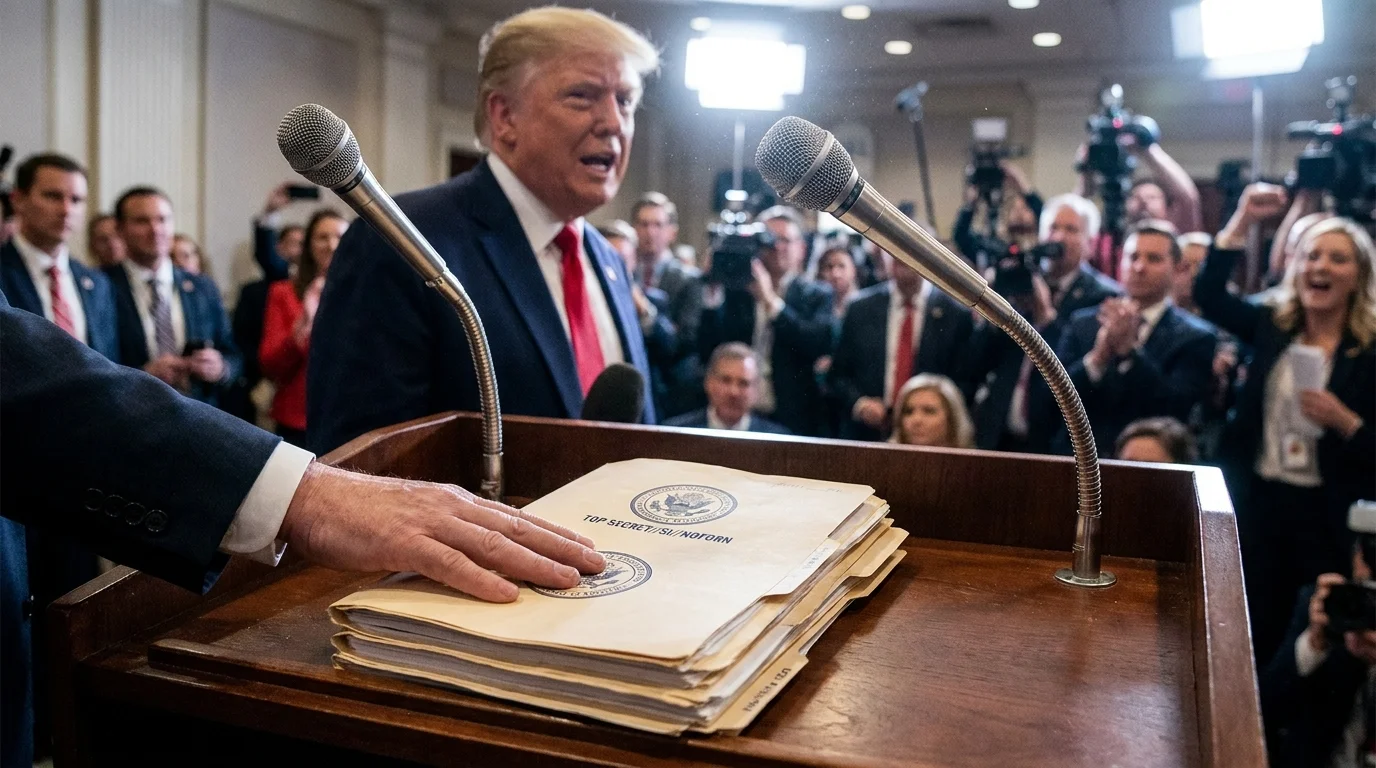
Stacks of heavy manila executive folders stamped with dark blue clearance seals sit motionless on corner credenzas. Each folder holds months of negotiated agency rules, technical specifications, and grant authorizations that were ready for publication in the Federal Register. When senior personnel walk out the West Wing gate, the machinery does not simply pick up where they left off. The entire apparatus pauses.
You are watching an institutional platform pivot unfold in real time. As new loyalty protocols take hold across executive agencies, the standard channels for signing off on public policy have narrowed to a tight neck. Understanding what this means for your daily life requires looking past the political theater and examining the physical process of regulatory freeze.
The Gatekeeper Shift: Why Bureaucratic Friction Dictates Policy
Most citizens view government policy as a straight line from a president’s campaign promises to enforceable national law. In truth, policy moves like water through an intricate network of municipal valves. When administrative staff turn over in rapid succession, political directors install new compliance filters that pull authority upward to a tiny circle of trusted deputies.
This dynamic creates what veteran administrators call the administrative freeze layer. A routine environmental compliance standard or agricultural subsidy update cannot move forward without an explicit sign-off from designated senior aides. If those desks are vacant or the occupants are vetting every sentence for absolute philosophical alignment, the pipeline clogs immediately.
Marcus Vance, a 46-year-old regulatory compliance officer who spent over a decade coordinating rules between regional hubs and headquarters, watched this bottleneck take shape firsthand. He observed how thirty-page guidance memos, designed to clarify small-business tax incentives, languished for months simply because the intermediary reviewers had been reassigned during a departmental reorganization. Vance noted that when an administration requires centralized political sign-offs on mundane technical documents, field offices stop making independent calls altogether to protect their own careers.
- Optical scan ballot ovals block stray pencil markings under sharp infrared sensors
- FEC donor database receipts expose dark money conduits with matching split timestamps
- Goldwater 1964 precinct cards sparked grassroots delegate revolts across dusty suburban precincts
- Statehouse constituent phone logs force staffer tallies using handwritten tick marks
- Political billboard contracts switch roadside placements to trap commuters in slow traffic
Where the Bottleneck Hits: Three Critical Layers
The consequences of sudden White House staff departures do not stay inside the Beltway. They radiate downward through specific administrative channels that directly shape economic conditions and civic routines.
1. Infrastructure and Federal Grant Allocations
Local municipal projects rely on predictable disbursement calendars managed by career desk officers. When centralized sign-off mandates freeze inter-agency coordination, regional grant dispersals stall. You see this reflected in delayed road repaving schedules, postponed broadband expansions, and deferred water treatment upgrades in rural communities.
2. Consumer Finance and Marketplace Guidance
Independent regulatory boards and departmental bureaus issue regular updates interpreting fair credit laws and lending limits. Strict compliance vetting protocols create prolonged silence on pending consumer rules. Lenders pause new loan products because they lack certainty about whether existing administrative guidelines will survive the next wave of personnel appointments.
3. Trade and Commodity Logistics
Agricultural and manufacturing supply lines depend on clear cross-border inspection directives from federal trade desks. When senior liaisons leave without designated successors, pending customs revisions sit in administrative holding patterns. This leaves domestic producers guessing on supply timelines for months at a stretch.
Tracking the Shift: A Tactical Citizen Toolkit
You do not have to wait for news anchors to tell you when a policy pipeline clears or clogs. You can track administrative movement yourself with a few mindful habits:
- Monitor the Unified Agenda: Check the biannual federal regulatory agenda published online to spot which proposed rules have been shifted to inactive or long-term status.
- Track Federal Register Notice Velocity: A sudden drop in daily public inspection documents from a specific department signals an active clearance bottleneck.
- Audit Public Comment Windows: When agencies extend open comment windows by 60 or 90 days, it almost always indicates an internal review delay rather than public demand for more dialogue.
- Watch Acting vs. Confirmed Titles: Decisions made by temporary officials face distinct legal challenges under the Federal Vacancies Reform Act, often signaling temporary policies rather than permanent shifts.
By keeping an eye on the formal administrative paper trail, you cut through partisan spin and see precisely which rules are moving and which remain frozen on executive desks.
The Quiet Power of Administrative Clarity
When high-level political staff depart, the immediate focus is almost always on personality clashes and factional intrigue. Yet the enduring consequence is the reallocation of operational power. Every clearance seal applied to a manila folder represents a deliberate choice about which public priorities advance and which are left to collect dust.
Recognizing how these internal loyalty protocols function allows you to anticipate economic and regulatory changes long before they reach local headlines. You gain the ability to plan your business, your investments, and your civic participation around structural realities rather than political noise.
Real institutional authority is rarely wielded through the microphone; it lives in the quiet power to withhold a signature.
| Key Point | Detail | Added Value for the Reader |
|---|---|---|
| Clearance Bottlenecks | New loyalty protocols centralize all rule approvals under senior political aides. | Explains why local infrastructure projects and federal funds experience unexplained delays. |
| Interim Leadership | High turnover increases reliance on temporary, unconfirmed acting agency directors. | Helps you identify which administrative rules are legally vulnerable to immediate court challenges. |
| Docket Stagnation | Technical regulatory drafts are shelved indefinitely during personnel vetting cycles. | Provides foresight for business owners awaiting regulatory clarity on taxes and compliance. |
Frequently Asked Questions
What is an executive clearance seal?
It is an internal administrative stamp indicating that a regulatory document has passed mandatory legal, political, and economic reviews before publication.Why do staff departures immediately freeze rulemaking?
Federal law and internal agency protocols often require specific authorized signatures to advance formal rules; when those positions are vacant, files halt.How does this dynamic affect small businesses?
It creates uncertainty around compliance standards, tax interpretations, and federal loan approvals, forcing owners to delay long-term investments.Can career civil servants approve policies during a leadership void?
Career staff handle routine day-to-day enforcement, but major rules and policy pivots require designated political sign-offs that career staff cannot provide.Where can everyday citizens view pending federal rules?
The Federal Register and Regulations.gov offer public access to all pending, proposed, and finalized administrative rules across every federal agency.