The damp chill of 6:00 AM smells like diesel fumes, pulverized limestone, and cold river mist rising off an idle highway shoulder. You stand beside a flatbed trailer loaded with trench boxes, listening to the metallic ping of cooling engines that should be digging out a municipal culvert by now. The work orders are signed, the bond is posted, and your crew is already chewing through paper cups of diner coffee. Yet nobody is moving dirt.
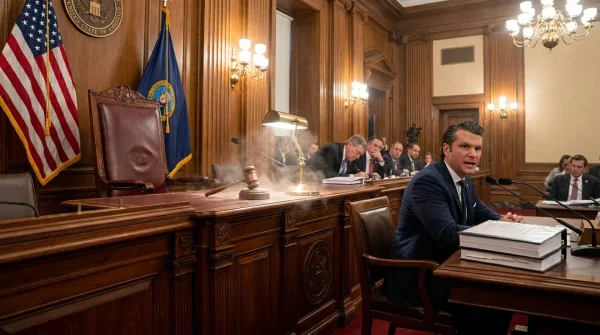
The silence is not coming from a cracked hydraulic line or a delayed aggregate delivery. It stems from a carpeted federal courtroom three states away, where a single line in a summary judgment just severed the municipal funding mechanism you relied on to clear this week’s payroll. While everyone watched university admissions offices adjust their freshman rosters, the real shockwave quietly redirected toward municipal utility trenches, water treatment retrofits, and asphalt paving contracts.
City procurement directors across the country spent the weekend staring at computer monitors, frantically disabling vendor preference check-boxes on their secure bidding portals. If your trade business depends on public infrastructure dollars, the ground beneath your boots shifted while you were pricing out raw materials.
The Downstream Legal Cascade: When Campus Logic Hits City Asphalt
For forty years, municipal procurement ran on an unspoken municipal contract: cities set aside clear percentages of tax-funded projects for minority business enterprises (MBEs), and prime contractors met those thresholds to keep their bids competitive. It operated like a municipal counterweight, evening out decades of closed-door network bidding. Most trade operators viewed these rules as fixed infrastructure, as permanent as the underground gas lines beneath Main Street.
That certainty evaporated when federal judges began using the intellectual framework of the university affirmative action rulings to dismantle race-conscious public contracting programs. By declaring that public agencies cannot use race as a qualifying metric without meeting nearly impossible standards of historical proof, the courts turned long-standing municipal disparity studies into legal liabilities. City attorneys hit emergency pauses on billions of dollars in active procurements rather than face immediate civil rights injunctions from conservative legal foundations.
This is not a theoretical debate about policy ideals; it is an immediate cash-flow freeze. When a city halts the processing of approved subcontracts to scrub diversity language from its charter bids, cash flow stops trickling down to the welders, pipefitters, and haulers waiting on purchase orders. The pipeline has simply seized up.
- Citigroup firearm policies spark state contract bans across Texas municipal finance
- SAVE database directives bypass federal privacy rules to audit state voter rolls
- Chinese drone bans freeze local emergency search operations across rural counties
- Cultivated meat bans trigger fierce agricultural pushback across Southern statehouses
- Josh Turek campaigns target entrenched party incumbents across rural legislative battlegrounds
Consider Marcus Vance, 51, a grading contractor whose firm has graded civic sports parks and detention basins across Ohio for two decades. Last Thursday, Marcus received an automated email from a county water district canceling a three-million-dollar site preparation award twenty-four hours before equipment mobilization. The agency did not cite budget shortfalls or engineering oversights; they cited an emergency legal review spurred by a federal filing challenging their minority subcontractor goals. Marcus was left carrying thirty days of rental equipment retainers on his own credit line.
Three Operational Realities Facing Contractors Today
You cannot afford to wait for the appellate courts to untangle this gridlock over the next three years. Survival requires diagnosing exactly where your firm sits within this rewritten bidding architecture.
The Displaced Certified Subcontractor: If your business built its pipeline around state or municipal MBE certifications, your certification is no longer an automatic ticket to a shortlist. Prime contractors who once actively recruited your bids to fulfill city quotas are suddenly stripped of compliance pressure. To protect your pipeline, you must immediately re-frame your value proposition around mobilization speed, specialized bonding capacity, and localized equipment ownership rather than statutory compliance checkmarks.
The Squeezed Prime Contractor: If you bid as a general contractor on city infrastructure, you are caught in an administrative vice. Contracts you submitted six months ago with certified participation plans are now being held in limbo by city controllers afraid of being sued by non-selected bidders. Audit your existing public contracts today to see whether your local municipality allows administrative substitutions, switching race-conscious subcontracting goals to race-neutral economic development criteria without voiding your primary performance bond.
The Direct Equipment Supplier: Fleet leasing companies and building supply houses are feeling the silent undertow. When specialty subcontractors get frozen out of work packages, their material draw requests stall, creating an immediate liquidity drag that travels straight up the wholesale supply chain.
Navigating the Bidding Freeze Without Burning Working Capital
Staying solvent while local governments rewrite procurement manuals requires quiet, systematic adjustments. You do not need political commentary; you need concrete operational pivots that preserve your payroll.
- Pivot to SBE and HUBZone Certifications: Shift your compliance focus toward geographic and net-worth criteria. Programs based on Small Business Enterprise (SBE) status, federal historically underutilized business zones (HUBZone), or local residency requirements remain constitutionally solid and are rapidly becoming the preferred alternative for risk-averse city councils.
- Audit Contract Substitution Clauses: Review Section 2 and Section 7 of your standard municipal subcontract agreements. Locate the clauses governing “Owner-Initiated Scope Reductions” to ensure you are entitled to demobilization costs if a city drops your bid package during an administrative review.
- Engage Regional Transit Authorities: Federally funded transportation projects operating under the federal Disadvantaged Business Enterprise (DBE) framework operate under separate statutory authorizations than purely municipal work. These dollars carry different legal safeguards and are moving through pipeline reviews far faster than municipal general funds.
Take forty-eight hours to examine every pending bid submitted over the last ninety days. If a pending contract contains explicit numerical percentage quotas for minority participation, call the project manager. Ask directly whether that bid package is currently scheduled for an administrative re-solicitation.
Protecting your operations does not mean abandoning public work entirely. It means recognizing that the legal scaffolding holding up public sector procurement has broken, and your bidding portfolio must adapt to economic criteria that courts cannot strike down with a pen stroke.
Rebuilding Your Ground Game in Shifting Soil
There is a peculiar clarity that comes from understanding the machinery behind the rules you live by. When you realize that municipal bidding changes are not personal slights but structural realignments, the panic leaves the room. You stop waiting for your local city council to rescue familiar programs and start positioning your firm for how contracts will actually be scored tomorrow.
The cities still need water mains laid, runways paved, and bridges reinforced. That work cannot be completed in an appellate courtroom; it gets done out in the mud, with heavy equipment, reliable crews, and practical field engineering. Field competence outlasts administrative turbulence every single time. By shifting your certifications, tightening your contract language, and bidding on fundamental operational strength, you ensure that when the dust settles and the procurement portals reopen, your machines are the first ones turning the soil.
The sharpest operators do not waste energy mourning broken rules; they master the new terrain before their competitors even realize the map has changed.
| Key Point | Detail | Added Value for the Reader |
|---|---|---|
| Judicial Precedent Creep | Federal courts applying higher-ed standards to municipal procurement codes. | Anticipate contract cancellations before formal city notices arrive. |
| Certification Transition | Shift focus from race-conscious (MBE) to race-neutral (SBE, HUBZone, DBE). | Protects your firm’s competitive standing against immediate legal challenges. |
| Subcontract Exposure | Pending public works subcontracts frozen during administrative audits. | Allows proactive restructuring of vendor credit and machine rental leases. |
Frequently Asked Questions
Are all minority-owned business certifications now invalid?
No. State and municipal certifications remain legally recognized credentials, but local agencies are increasingly barred from using them as mandatory minimum quotas or standalone scoring criteria in public bidding rounds.Does this federal shift impact private commercial contracts?
Not directly. Private corporations retain broader latitude to maintain supplier diversity initiatives, though many are quietly re-evaluating internal criteria to mitigate their own litigation risks.What is the quickest way to protect pending public bids?
Contact the awarding agency’s contracting officer to request clarification on whether minority participation requirements on your specific bid are subject to an administrative hold or upcoming re-bid.Can prime contractors legally drop certified subcontractors mid-project?
Only if the prime contract contains specific termination-for-convenience clauses or if the public owner directs a scope change. Existing executed contracts generally protect subcontractors from arbitrary removal without compensation for mobilization.Will race-neutral economic development programs survive legal scrutiny?
Yes. Programs predicated on business size, owner net worth, geographical location, or veteran status remain on solid legal ground and are rapidly replacing traditional programs nationwide.