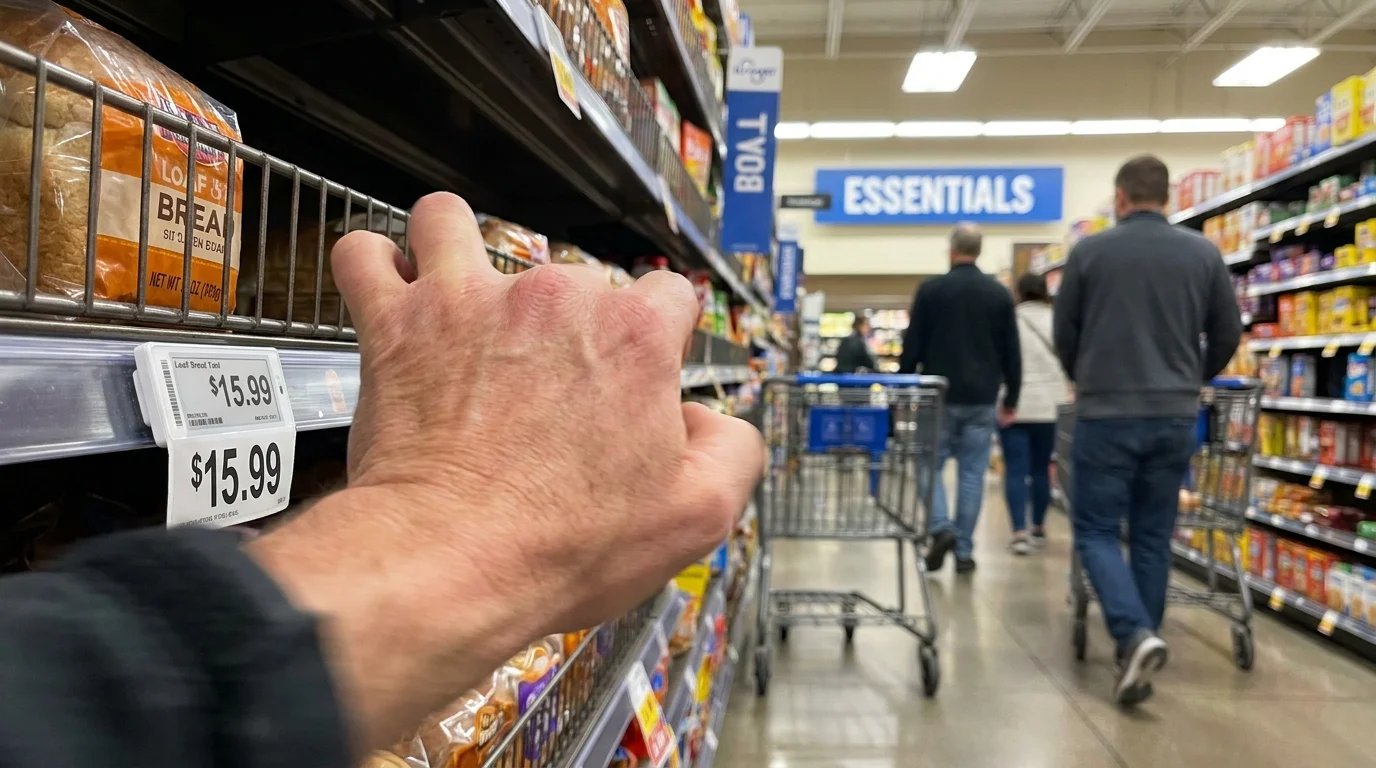
The dull hum of refrigerated dairy cases vibrates through the soles of your sneakers while overhead fluorescent strips buzz with a flat, clinical glare. You reach for a gallon of whole milk marked at three dollars and forty-nine cents on a small, matte gray e-ink display wedged into the metal shelf lip. By the time you round the bakery display and double back for butter, the pale numbers flicker, reset in a silent refresh cycle, and settle at four dollars and twelve cents. Nothing dropped from the ceiling, no store associate wheeled a yellow cart down the aisle with a sticker gun, and not a single physical tag was peeled away.
That microscopic screen flutter marks the quiet death of the predictable shopping trip. In stores across the Midwest and Southern corridors, thousands of shoppers are watching shelf tags behave like stock tickers on a trading floor, recalibrating the cost of staple foods based on foot traffic, humidity, and checkout congestion. The plastic peel-off price sticker was an implicit contract: the price on the shelf belonged to you the moment you placed the cardboard carton into your wire basket.
Now, that unspoken pact has disintegrated into a game of retail surveillance. Across suburbs in Ohio, Texas, and Colorado, coordinated shopper walkouts and spontaneous boycotts are turning Saturday morning grocery runs into ideological battlegrounds, leaving abandoned carts filled with perishable poultry and melting ice cream sitting dead in center aisles.
What began as an executive pitch for labor efficiency and warehouse automation has triggered formal civil investigative demands from state attorneys general. When the cost of cooking oil or infant formula can fluctuate three times before you unload your cart onto the black rubber conveyor belt, shopping stops being an errand and becomes an act of defensive navigation.
The Liquid Pricing Trap: When Shelves Start Thinking Like Flight Trackers
For nearly a century, retail pricing was tethered to heavy paper stock, glue, and human hands. If a regional manager wanted to squeeze an extra dime out of canned black beans, an associate had to physically walk thirty paces, snap a plastic housing open, and slip a printed card into the channel. That friction was your consumer shield. It created an economic speed limit that kept prices stable between dawn restocking and evening inventory checks.
Digital shelf tags tear down that friction entirely. Powered by high-density electronic paper displays and centralized wireless transmitters hooked into cloud-based inventory algorithms, these tags turn the supermarket aisle into an auction room. Algorithmic surge pricing on staples does not care that you planned your weekly family meal budget down to the last nickel; it only registers that forty-two carts are currently idling near the pasta sauce during a five o’clock suburban rush.
- Mexico border trade shifts force party leaders into sudden protectionist platform pivots
- Postal worker routes prompt immediate community backlash over rural mail delays
- Congressional spending rescissions trigger fierce bipartisan clashes across Capitol Hill
- Mail-in ballot postmarks block thousands of early votes over missing postal counter ink
- Port trucking waivers expire at midnight halting regional freight corridors before state updates
Retailers insist the technology merely cuts paper waste and spares store clerks hours of tedious restocking labor. But behind closed doors, software engineers call this dynamic margin optimization. When barometric pressure drops ahead of an approaching storm front, the system knows snow shovels and bottled water will clear out regardless of a fifteen percent markup. You are no longer purchasing goods based on agricultural supply and distributor freight; you are paying a variable toll dictated by your own immediate vulnerability.
Marta Gallagher, a forty-four-year-old high school biology teacher in suburban Columbus, spent four weeks tracking the tags in her neighborhood store with a pocket spiral notebook. She noticed that the store-brand eggs she bought every Tuesday morning climbed forty cents whenever the parking lot was more than two-thirds full, only to settle back down by eight-thirty in the evening. Her viral social media logs of these phantom price jumps became the rallying point for an eighty-person trolley-abandonment demonstration that shut down three automated checkout lanes last month.
Mapping the Squeeze: How Dynamic Tickers Filter Shoppers
Not every grocery aisle responds to these algorithms the same way. The digital pricing infrastructure is calibrated across distinct psychological categories, each targeting a specific habit or household urgency.
For the Commuter Running the Evening Rush
If you shop between four-thirty and seven in the evening, you face the highest digital markups across pre-packaged produce, ready-to-bake proteins, and deli staples. The automated pricing system identifies peak checkout density and tightens margins, knowing that working parents balancing evening pickup schedules lack the physical time to compare ounce-for-ounce pricing or walk away empty-handed.
For the Fixed-Income Household
Those who rely on structured budget cycles feel the sharpest bite on center-aisle basics like oats, canned tuna, and cooking oils. When prices recalibrate mid-afternoon based on regional warehouse inventory shifts, cash-strapped shoppers face unexpected register totals that push debit transactions into overdraft territory before paper receipts can even print.
For the Late-Night and Early-Bird Shopper
Shoppers navigating aisles at dawn or after nine at night often encounter lower baseline numbers, but they face a secondary complication: promotional digital tags that quietly expire without clear visual warnings. A shelf tag may display a club discount that is tied to an algorithmic expiration window rather than the traditional weekly print circular, turning savings into a moving target.
The Mindful Cart: How to Neutralize Dynamic Shelf Pricing
Taking back control in the aisle requires treating the modern grocery floor like an adversarial data environment. You do not need complex software to defend your wallet; you simply need to build three deliberate mechanical habits into your weekly routine.
- Photograph shelf tags directly before placing high-cost items or bulk proteins into your cart, ensuring the physical timestamp is visible in your phone camera reel.
- Cross-examine the final register display against the shelf price before the scanner operator runs your payment card, calling out discrepancies immediately before the register seals the electronic transaction.
- Refuse to link store rewards applications to live Bluetooth beacons when walking through automated retail aisles, cutting off the store’s ability to track your dwell time near specific display endcaps.
- Print or download the weekly static circular on Monday morning, forcing customer service desks to manually override digital price shifts using corporate price-match commitments.
Keep a small tactical toolkit on your phone: a clean camera roll folder labeled for market receipts, your state consumer protection hotline saved in your contact list, and cash in your pocket for days when volatile card terminal markups spike without explanation.
The Quiet Power of the Sticking Price
A grocery store should be a place of quiet abundance, not an unpredictable stock exchange where families gamble against code written a thousand miles away. When shoppers organize walkouts and attorneys general step in with formal subpoenas, they are defending something more fundamental than a few cents on a carton of milk. They are defending the dignity of a transparent transaction.
When you stand your ground at the register, insist on the marked price, and hold retailers accountable to the physical tags they post, you strip away the invisible power of dynamic surveillance. You restore the market to what it was always meant to be: a fair exchange between honest neighbors.
The moment a retail shelf begins calculating your desperation instead of the product cost, commerce ceases to be a market and becomes a tollbooth.
| Key Point | Detail | Added Value for the Reader |
|---|---|---|
| Dynamic Shelf Refresh | Electronic ink displays adjust item prices in real time based on foot traffic algorithms. | Allows you to identify fluctuating baseline costs before loading your cart. |
| Peak Density Markups | High-traffic hours trigger micro-increases on pre-packaged and grab-and-go staples. | Helps you strategically time your shopping trips to avoid high-volume surcharge windows. |
| Timestamp Verification | Smartphone photos provide legally binding proof of the price displayed at the moment of selection. | Gives you immediate leverage at the register to demand manual price overrides. |
| State AG Oversight | State consumer protection bureaus are probing whether mid-trip tag shifts violate deceptive trade laws. | Arms you with administrative backing when filing formal price-gouging complaints. |
Frequently Asked Questions
Can a grocery store legally charge me more at the register than the price shown on the digital shelf tag? In almost every state, consumer protection laws require retailers to honor the lowest price clearly displayed to the consumer at the point of selection, making mid-trip price jumps subject to weights-and-measures fines.
How fast can these automated digital tags change prices during the day? Centralized store transmitters can push updates across tens of thousands of electronic shelf labels in under two minutes, allowing pricing models to shift between aisle visits.
Do electronic price tags track my personal phone while I walk down the aisles? Many modern electronic shelf systems integrate low-energy Bluetooth sensors that can communicate with store apps on your device, estimating how long you pause in front of specific products.
What should I do if a cashier refuses to honor the lower digital tag price I saw on the shelf? Request an immediate manager void, provide a timestamped photo of the shelf display, and ask the store to document the price adjustment under their scanning accuracy guarantee policy.
Why are state attorneys general getting involved in dynamic grocery pricing? Regulatory authorities are investigating whether algorithmic surge pricing on essential household staples constitutes unconscionable pricing behavior and deceptive retail trade practices under state consumer statutes.