The limestone corridors of the Longworth House Office Building smell faintly of wet wool and industrial floor polish when winter markup sessions drag past midnight. You might imagine that federal fiscal battles happen under studio lights, resolved by grandstanding floor speeches and cinematic gavel strikes. The reality is far quieter and vastly more punishing, carried out across crumpled spreadsheet printouts and cooling cups of cafeteria drip coffee.
When leadership quietly slips rescission language into an eleventh-hour procedural vehicle, the change does not announce itself with sirens. Instead, it moves like a dry pencil mark striking through previously guaranteed municipal grants, suddenly stranding water mains half-buried in clay and bridge girders waiting on rail spurs.
For months, the money was considered settled law, backed by bipartisan handshakes and signed appropriations. But as Congressional spending rescissions hit the docket, those long-promised capital lines are being extracted back to Washington before the asphalt cures. If you live outside the beltway orbit, this administrative maneuver is not an abstract budget balance; it is an immediate halt to the heavy machinery idling outside your town limits.
The Illusion of the Locked Ledger
Most voters assume an enacted appropriations bill functions like an escrow account: once Congress votes to approve the money, the funds sit safely in a vault waiting for municipal drawdowns. In federal finance, however, an approved budget is less like an armored car and more like water running through an open irrigation ditch. Until an agency signs a binding project contract, Congress retains the legal power to dam the headgates and divert the flow.
A rescission bill operates as an institutional clawback, allowing party leaders to target obligated yet unexpended dollars to offset emergency spending elsewhere. The sudden move treats local infrastructure not as foundational concrete, but as a flexible line of credit that party whips can shave away during closed-door leadership negotiations.
What leadership miscalculated this cycle was the domestic breaking point of their own backbenchers. When you strip five million dollars from a bypass road in a vulnerable rural district, you are not balancing an Excel workbook; you are asking an elected representative to look their own county commissioners in the eye and explain why the county quarry had to lay off its night shift.
- Mail-in ballot postmarks block thousands of early votes over missing postal counter ink
- Port trucking waivers expire at midnight halting regional freight corridors before state updates
- Municipal sewer bonds inflate unexpected four-figure escrow fee spikes inside homeowner checking accounts
- Driver license renewals strip registered voters from active rolls before municipal election day
- Privatized toll concessions fuel soaring commuter rate spikes across suburban highway corridors
The Breaking Point in District 14
Consider Tom Reynolds, a 54-year-old county engineer in rural southern Indiana who spent fourteen months navigating federal environmental reviews to replace three failing timber-deck bridges. Reynolds had already signed bid contingencies with regional contractors and bought pre-stressed concrete pilings that now sit stacked behind the county highway shed. When the draft rescission text circulated at midnight, his long-cleared federal matching funds were targeted for immediate repeal, leaving his local tax base facing an abrupt six-million-dollar gap or an outright construction default. In a hurried call to his freshman congressional representative at sunrise, Reynolds offered a blunt assessment: if this rescission passes without an exemption for underway works, every rural road commissioner in the district will organize against the incumbent before the spring filing deadline.
The Fractured Coalition: Mapping the District Fault Lines
The friction does not fall along tidy ideological lines. Instead, it fractures lawmakers based on the sheer physical vulnerability of their home districts, splitting the caucus into distinct survival tiers.
- The Vulnerable Rural Centrists: Lawmakers representing expansive geographic seats where road resurfacing, culvert replacements, and rural broadband buildouts are the only visible signs of federal tax return. For these members, surrendering awarded grants is political malpractice, prompting direct threats to withhold procedural votes on major floor rules.
- The Deficit Hawks: Fiscal hardliners who view unexpended balances as low-hanging fruit, arguing that unspent billions fuel ongoing inflation and that uncommitted funds should instantly revert to the Treasury to stem sovereign debt expansion.
- The Municipal Realists: Moderate suburban members caught between suburban property tax sensitivity and transit rail project deficits, terrified that sudden federal pullbacks will force local rate hikes on commuter utility bills.
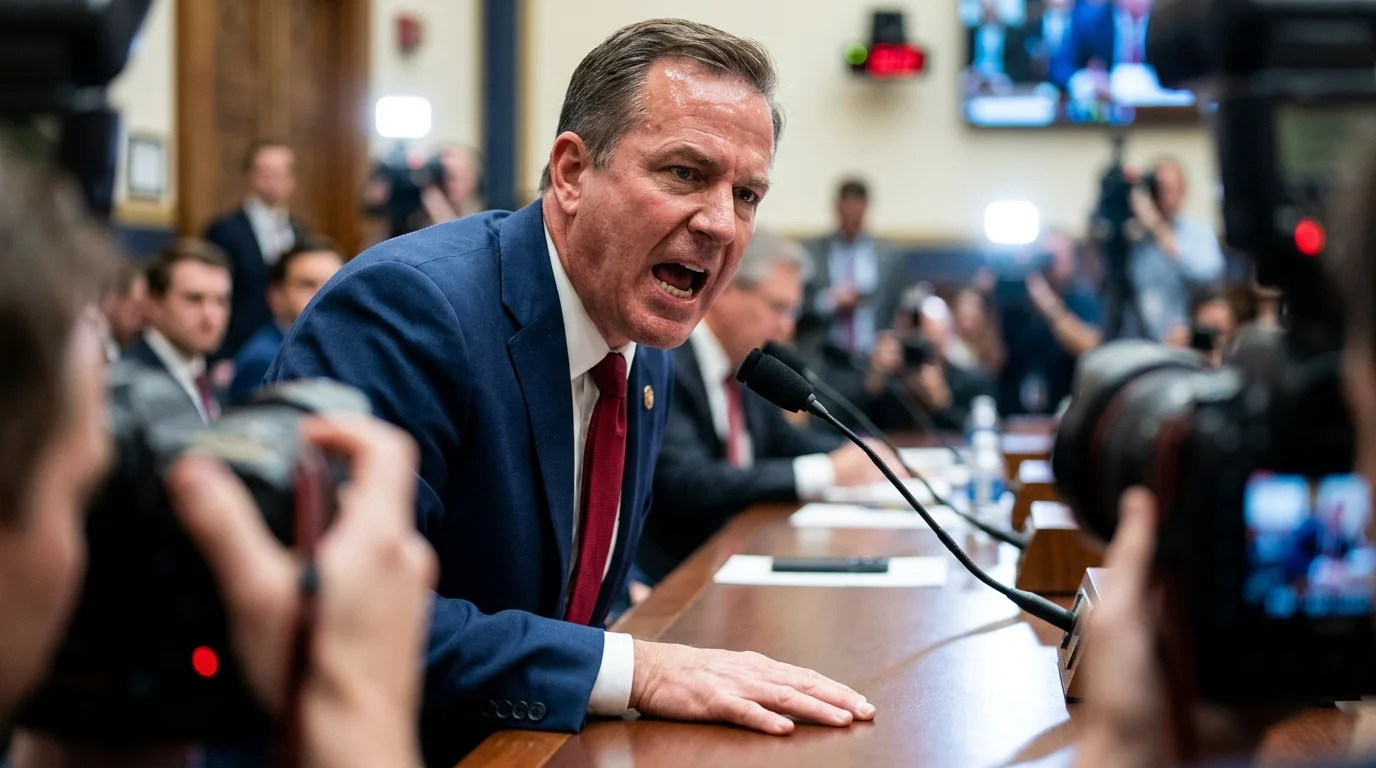
These internal fault lines have paralyzed standard floor procedures, turning routine rules votes into high-stakes hostaging events where single-seat margins decide whether the House even gavels into full session.
Tracking the Paper Trail Before the Concrete Stops
Navigating the shockwave of federal spending pullbacks requires looking past press conference soundbites and learning to read federal administrative bulletins directly. When an agency faces an active rescission threat, administrative officers execute a quiet, predictable dance long before the bill reaches the president’s desk.
If you serve on a local board, run a contracting outfit, or simply rely on county services, you can track the vulnerability of local projects through a few clear milestones:
- Verify Contract Execution Dates: An appropriation is vulnerable, but an executed federal contract with incurred liabilities is substantially harder for Congress to retroactively claw back.
- Monitor the OMB Bulletins: Watch the Office of Management and Budget apportionment notices; funds placed on administrative hold frequently signal upcoming rescission candidate lists.
- Audit Local Contingency Reserves: Municipalities relying on 80/20 federal matching splits must immediately determine whether local bonding authorities can float bridge loans if reimbursement timelines freeze.
- Direct Congressional Casework Pressure: Focus communications on regional district field directors rather than legislative aides in Washington, emphasizing existing municipal debt commitments already incurred based on prior congressional authorizations.
The tactical reality comes down to documentation speed. Projects with signed purchase orders, delivered rebar, and active environmental permits routinely win administrative carve-outs, while vague, conceptual planning funds are swept away without a second glance.
The Fragile Arithmetic of Local Trust
Governing is ultimately an exercise in physical credibility. When the federal apparatus proves unable to keep its contractual word with rural townships, the rupture runs much deeper than party discipline or Washington news cycles.
It breaks the foundational agreement between the taxpayer and the public ledger. Understanding how rescissions operate demystifies the sudden construction halts and unexpected local tax levies that appear in your town without warning. When you watch the floor tally lights flicker red on C-SPAN, you are not merely witnessing a clash over top-line spending; you are watching the quiet, desperate struggle over who pays for the gravel, the steel, and the promises already made.
“A federal dollar promised on paper is merely an intention; the dollar delivered to the jobsite is the only one that truly governs.”
| Key Point | Detail | Added Value for the Reader |
|---|---|---|
| Rescission Mechanism | Title X of the Congressional Budget and Impoundment Control Act allows the legislative branch to permanently revoke previously appropriated funds. | Reveals why ‘approved’ money is never fully guaranteed until binding commercial contracts are executed. |
| Rural District Fallout | Clawbacks disproportionately target regional infrastructure, water lines, and broadband grants with long outlay timelines. | Explains the root cause behind sudden, unexplained pauses in municipal and county public works projects. |
| Backbench Floor Mutiny | Vulnerable freshmen lawmakers use procedural rule votes to block rescission bills that damage their re-election odds. | Provides context for why paper-thin legislative majorities routinely stall out on routine administrative business. |
Frequently Asked Questions
What is a congressional spending rescission?
It is a legislative action that cancels budget authority previously enacted by law before that authority would otherwise expire, permanently pulling unspent money back into the federal Treasury.Why are rural lawmakers pushing back against their own leadership?
Rural projects often take years to move through planning and environmental review, making their funding pools prime targets for clawbacks despite local leaders having already committed county funds.Does a rescission immediately stop construction on active projects?
Not if a binding legal contract with a private builder has been signed. However, it instantly halts projects sitting in the pre-bid, engineering, or preliminary administrative phases.How do rescissions affect local property taxes?
When federal matching grants are revoked after a county has begun preliminary work, local commissions often must issue emergency municipal bonds or raise property levies to cover the deficit.Can the President enact spending rescissions unilaterally?
No. The executive branch can propose a package of rescissions, but Congress must pass legislation approving the request within 45 continuous session days, or the funds must be released.