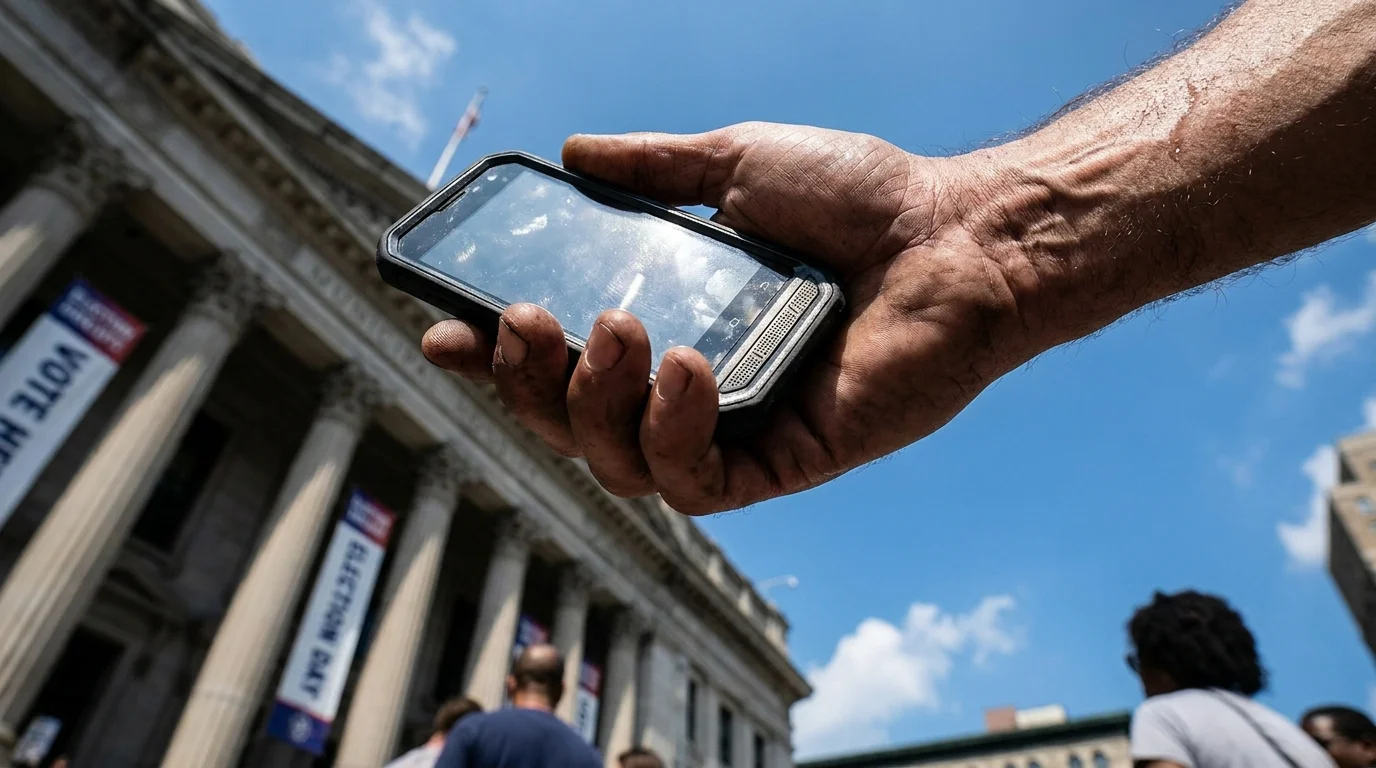
The harsh, mechanical ring cut through your bedroom at twenty minutes past midnight. Outside, the neighborhood was completely dark, save for the dull amber glow of a distant streetlight cutting across damp asphalt. You fumbled across the nightstand, squinting against the blinding glare of the display, expecting an urgent call from an aging parent or a hospital nurse. Instead, a voice you recognized with total clarity tumbled through the tiny speaker, urging you to save your vote for November and stay home from the county primary booths because precinct machines were allegedly broken down.
By dawn, that thirty-second sound clip had spilled from quiet bedside tables directly onto talk radio and local debate stages. Poll workers arriving at church basements and school gymnasiums in 40-degree dampness found themselves greeting confused, skeptical neighbors who carried audio recordings in their coat pockets. Midnight synthetic voice campaigns had bypassed every television advertisement firewall to rattle voter faith at the front door.
What felt like a chaotic civic breakdown was actually something far more calculated: a cheap, weaponized digital illusion built to exploit human exhaustion. When synthetic audio arrives under the cover of night, it bypasses your critical reasoning and strikes directly at pure instinct. Understanding how this illusion works turns you from an anxious target into an immovable anchor for your precinct.
The Acoustic Phantom: Decoding the Voice Clone Pipeline
We often assume that state-of-the-art election tampering arrives wrapped in classified military code or complex server intrusions. In practice, modern deception operates like counterfeit currency stamped on ordinary printer paper. Generating synthetic audio no longer requires months of studio modeling; it needs only three clean minutes of an incumbent’s past press conference scraped from public video archives.
Elena Rostova, a 41-year-old network forensic investigator in northern Virginia, spent thirty-six sleepless hours chasing the packet hops behind these calls as precinct turnouts stalled. Her packet analysis revealed that the voice clone had not slipped out from an underground domestic political operative, but rather through an unsecured, cheap SIP gateway hosted on leased virtual servers in Eastern Europe. The offshore operators rented dialer time using untraceable cryptocurrency vouchers, pushed thirty thousand calls into suburban exchanges within four minutes, and shut down the IP instance before the first call recipient even hung up.
- Matt Gaetz ethics reports derail House floor votes as lawmakers demand disclosures
- Bruen handgun rulings freeze local municipal permit boards amid surging legal challenges
- Harley-Davidson corporate policies fuel nationwide dealership boycotts following sudden executive changes
- FBI field offices resist executive reassignments that strip career agent protections
- Canadian timber tariffs halt homebuilding projects as border state contractors revolt
The real vulnerability was never your local polling machine or county ballot counting room; it was the raw, uncalibrated trust we place in the cadence of a familiar human voice. When you know where the stitches are sewn into the recording, the voice loses its uncanny power immediately.
Precinct Anatomy: How the Signal Hits Different Communities
These synthetic phone drops do not target an entire state evenly; they strike hyper-specific corridors where a swing of forty ballots alters a legislative primary outcome entirely. Depending on how your household runs its mornings, the impact registers differently.
For the Commuter Running on Routine
If you leave the driveway by six in the morning, an overnight voice memo claiming your usual fire station polling location is shuttered creates instant logistical friction. You do not have thirty spare minutes to verify whether the county registrar issued an emergency closure notice. The goal here is simple: artificially induced precinct hesitation creates immediate drop-off before your work shift begins.
For the Multigenerational Household
Older relatives who rely on landlines or traditional landline-forwarding numbers are particularly vulnerable to acoustic mimicry. They hear the familiar drawl, the measured pause, and the conversational throat-clear of a public figure they have watched on television for a decade. The message feels authentic because our auditory pathways are not naturally conditioned to suspect that familiar human breath can be manufactured by code.
Mindful Interception: How to Neutralize Bad Audio in Real Time
Dismantling this deception does not require an engineering degree or expensive security software. It requires small, deliberate steps of procedural verification that halt the viral spread before it infects your neighborhood group chat.
- Inspect the cadence for unnatural respiratory pauses; artificial algorithms often omit wet mouth sounds and irregular human inhalations between sentences.
- Check the official county registrar portal or secretary of state dashboard directly via a typed browser link, never clicking phone text follow-ups.
- Listen for acoustic flatlining where background room tone remains completely sterile without room reflection or clothing rustle.
- Report spoofed numbers immediately to the state elections division hotline with timestamp logs rather than calling the number back.
Keep a physical index card taped to your refrigerator during election weeks with your county election supervisor’s direct landline and your designated precinct code. When a sudden alert sounds alarms on your screen, verifying through physical records eliminates algorithmic panic in five seconds flat.
The Ground Beneath the Frequency
In an era where synthetic speech can be spun up across offshore server farms for less than the cost of a tank of gas, your local precinct remains surprisingly resilient. The ballot box on the folding table does not run on wireless audio streams; it runs on human neighbors checking paper poll books, verifying physical street addresses, and handing you a printed slip of paper.
When you learn to treat unexpected political voice alerts as unverified radio static, the panic collapses. The audio files that rattle through your phone speaker in the dark only carry power if you allow them to keep you on the sidelines. The quiet act of walking into your neighborhood precinct, clipboard in hand, turns the loud noise of the digital machine completely silent.
The human ear remains vulnerable to tone, but a disciplined citizen always checks the paper trail before surrendering their vote.
| Key Point | Detail | Added Value for the Reader |
|---|---|---|
| Synthetic Voice Tells | Lacks physiological breath sounds and natural environmental room tone. | Allows instant detection of cloned candidate audio on early morning voicemails. |
| Delivery Infrastructure | Short-lived VoIP spoof lines leased through offshore bulk telecommunication networks. | Helps you understand why caller ID displays familiar local area codes despite foreign origins. |
| Precinct Defense | Direct registrar portals and paper poll rosters remain entirely isolated from telecom webs. | Reassures you that physical polling stations remain secure regardless of online noise. |
Frequently Asked Questions
Can county election boards change polling locations through automated midnight calls?
No. Official changes to precinct boundaries or voting locations require formal legal postings, written notices, and real-time updates on state-run election websites.Why does spoofed political audio display my local area code on caller ID?
Offshore dialer applications use VoIP routing to forge local three-digit prefixes, tricking call recipients into thinking a neighbor or regional campaign office is dialing.What is the quickest way to spot cloned audio on my smartphone?
Listen closely to sentence transitions; synthetic voices struggle with irregular pitch changes, spontaneous laughter, and natural room echoes.Does answering a synthetic robocall compromise my voter registration?
No. Simply picking up a call does not expose your data, but interacting with automated menu prompts flags your number as an active target for future blasts.Where should I report suspicious political calls claiming polling sites are closed?
Forward call details, timestamps, and recorded audio files directly to your county clerk’s office and the state attorney general’s voter protection division.