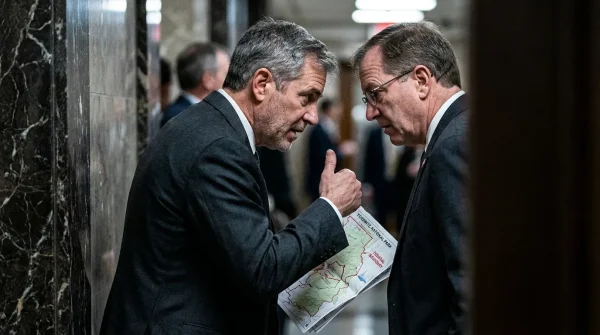
The air inside the Dirksen Senate Office Building carries the sharp tang of hot television cables, dry-cleaned wool, and lukewarm institutional coffee. From the gallery, you hear the muffled click of camera shutters and the slow scrape of leather shoe soles against stone floors. This is the ritual choreography of confirmation hearings: stiff handshakes, printed binder tabs, and pre-packaged talking points designed to absorb friction without sparking a flame.
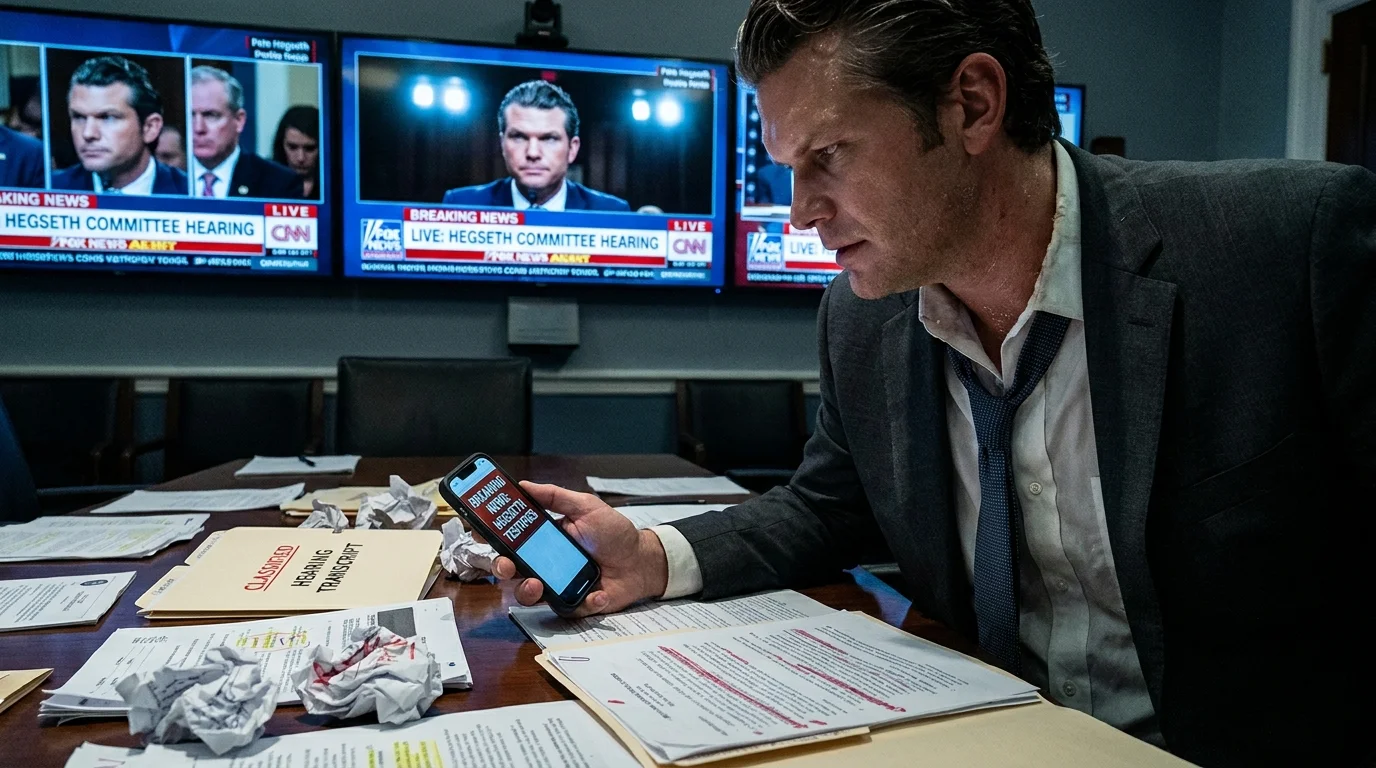
Yet halfway through the afternoon, the carefully orchestrated performance broke down. When questions turned toward the command structure of the armed forces, the room felt like someone had opened a high-altitude emergency hatch. The conventional script vanished, replaced by an electric, tense hush as lawmakers confronted Pete Hegseth directly over how loyalty within the Pentagon is measured when the cameras are turned off.
What unfolded was not just a partisan dispute over military culture; it was a rare public rupture in the machine of state governance. Unscripted Pentagon loyalty tests ceased being an abstract whisper in corridor conversations and suddenly became the central axis of an open confirmation struggle.
The Machinery Beneath the Oath: Shifting from Command to Allegiance
For generations, the civilian-military compact has operated like a heavy flywheel: once set in motion, its sheer inertia protects it from sudden shocks. Officers pin their stars not to the temperament of an administration, but to Title 10 of the United States Code and the quiet permanence of the Constitution. When you observe that system from the outside, you expect the friction to stem from defense budgets, shipyard timelines, or procurement overhauls.
During the committee exchange, that assumption cracked open. Lawmakers zeroed in on off-the-record vetting channels, exposing how informal litmus tests can bypass the traditional promotion board machinery. The danger here is not an administrative foul; it is the silent erosion of the nonpartisan officer corps. If military leadership begins to mirror political appointments, the internal friction inside command rooms transforms from rigorous tactical debate into self-preservational silence.
Understanding this shift means recognizing that authority is not merely handed down through badges and rank. Informal lines of patronage undermine formal operational clarity, leaving senior commanders to guess whether a directive reflects long-term national security strategy or short-term political preservation.
- South Carolina primary precincts shatter national frontrunner momentum through decisive early morning turnout surges
- Senate leadership negotiators slash contentious amendments inside closed-door basement drafting suites before midnight
- Kamala Harris speeches target undecided suburban moderates through calculated unscripted pauses
- Trump Iran standoff shifts abruptly as senior national security advisers urge direct confrontation
- Ken Paxton triggers fierce Republican panic after internal survey reveals sudden voter defections
Marcus Vance, a 52-year-old retired Army intelligence colonel who spent years advising joint staff directors, watched the exchange from an overflow room down the hall. Vance recalled a moment during a previous overseas deployment when a newly arrived liaison attempted to filter raw operational reports through an ideological lens before briefing command. “The moment you prioritize ideological alignment over ground reality, your battlefield map lies to you,” Vance noted quietly. His observation highlights the unspoken dread permeating active-duty ranks: once personal allegiance replaces professional candor, operational integrity collapses.
The Two Camps: Reading the Institutional Battle Lines
The friction inside the hearing room divided sharply along institutional philosophy. It is helpful to analyze these perspectives not simply as political parties, but as conflicting operational philosophies fighting for control of the world’s most formidable logistical engine.
For the Institutional Traditionalist
This group views the Pentagon as a stabilizing rudder that must resist electoral swings. Their focus remains squarely on operational continuity, institutional memory, and clear boundaries between civilian policymakers and uniformed tacticians. When they interrogate off-the-record loyalty checks, their concern is the quiet dismantling of objective military advice. They fear that junior officers will learn that career advancement hinges on ideological conformity rather than operational competence.
For the Political Reformer
The opposing faction approaches the defense bureaucracy as a lethargic, entrenched apparatus that actively blunts civilian directives. From this viewpoint, a nominee must disrupt the chain of passive resistance by ensuring commanders down to the flag level are fundamentally committed to the executive’s explicit agenda. They interpret skepticism from senior officers not as professional prudence, but as bureaucratic insubordination requiring aggressive housecleaning.
Decoding the Hearing: How to Read Between the Lines
Navigating confirmation hearings requires peeling back rhetorical theater to spot structural shifts in governance. When a high-stakes nomination reaches a boiling point, you can track the underlying shifts through specific signals:
- Watch the nonverbal pivots: Notice when a nominee looks down at prepared briefing binders versus when they lock eyes with the questioning senator. Real policy shifts emerge in the unscripted pauses.
- Track the citation of Title 10: Pay close attention when lawmakers specifically invoke legal boundaries regarding promotion boards and general officer nominations.
- Listen for euphemisms: Phrases like “cultural restoration” or “ensuring shared vision” frequently serve as shorthand for sweeping ideological turnover in staff leadership.
- Examine the dissent in executive session: The fiercest friction rarely happens under studio lights; it surfaces when lawmakers review classified background files behind closed doors.
Keep a mental toolkit for these moments: track the record votes on procedural motions, note the exact questions left for the written record, and monitor the Joint Chiefs’ internal communication tempo in the 48 hours following contentious testimony.
The Preservation of Civilian Balance
When you watch the Capitol dome light up against the winter dusk after hours of contentious testimony, it is easy to view these hearings as distant political theater. But the integrity of that marble room directly touches every municipal armory, naval shipyard, and military household across the country.
Understanding the tension over military loyalty tests provides clarity. It strips away the ambient noise of 24-hour cable commentary and reveals the foundational plumbing of American governance. When our institutions insist on transparent, accountable chains of command, they protect not just an abstract principle, but the physical peace and democratic stability of everyday life.
The strength of our defense does not rest on compliance with political whims, but on the quiet, uncompromising courage of officers dedicated solely to their sworn constitutional oath.
| Key Point | Detail | Added Value for the Reader |
|---|---|---|
| Informal Loyalty Checks | Off-the-record vetting that circumvents standard Senate-confirmed promotion boards. | Shows why flag officer appointments directly impact operational stability. |
| Civilian Control Boundaries | The constitutional balance between executive leadership and statutory military independence. | Helps you distinguish between lawful civilian direction and ideological overreach. |
| Hearing Theater vs. Substance | The contrast between televised grandstanding and substantive written record inquiries. | Enables you to filter performative politics to find actual legislative friction points. |
Frequently Asked Questions
What sparked the most intense clash during Pete Hegseth’s defense hearings?
The sharpest exchanges erupted over reported off-the-record loyalty assessments for senior military officers, prompting intense scrutiny over whether promotion systems would be politicized.Why do off-the-record loyalty criteria matter to regular citizens?
When military appointments prioritize political loyalty over strategic competence, operational effectiveness drops, impacting national readiness and taxpayer-funded defense resources.What is the traditional process for appointing general officers?
General officers are vetted through formal, nonpartisan promotion boards within their respective branches before names are sent to the President and submitted to the Senate for confirmation.Can a Secretary of Defense unilaterally dismiss high-ranking military commanders?
While civilian secretaries possess substantial administrative authority, formal dismissals and rank adjustments remain governed by statutory procedures under military law and presidential direction.How do these confirmation battles affect active-duty service members?
Contentious hearings create administrative delays in leadership assignments, leading to uncertainty in strategic direction, training focus, and unit morale across installations.