Step onto the floor of Yosemite Valley just before dawn, and the air carries a sharp, resinous bite of ponderosa pine mixed with the icy draft off the Merced River. The granite face of El Capitan catches the first pale amber rays, still and timeless. You might imagine that the boundary lines keeping this wilderness intact are carved as deeply as the glacial rock itself, guarded by ranger hats and century-old conservation mandates.
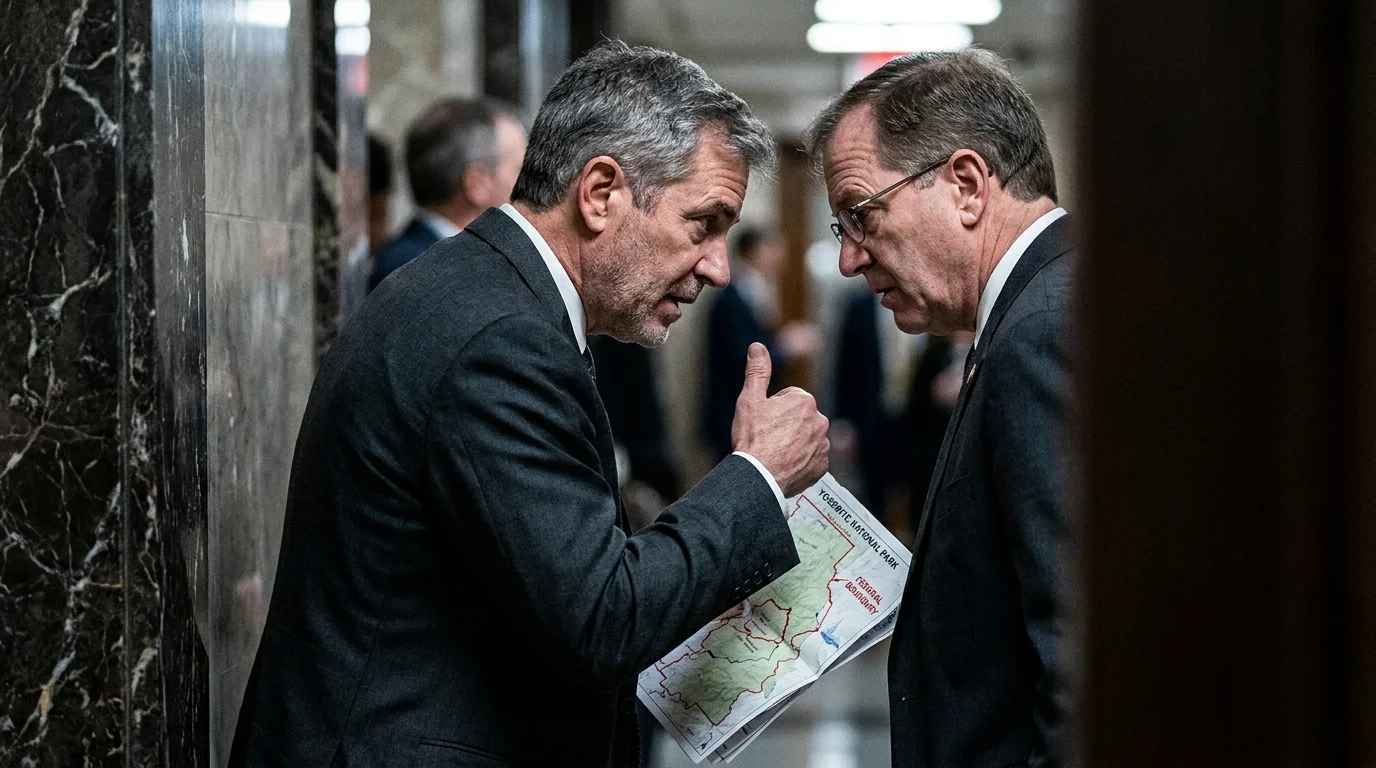
Yet tucked inside a committee room two thousand miles away in Washington, the reality smells less like wet river stone and more like stale coffee and heated fluorescent bulbs. A topographic trail map sits unrolled across a walnut conference table, its contours slashed through with bold red commercial lease markers that redefine where public stewardship ends and private operation begins. The conversation here is not about flora or fauna; it is about franchise fees, capital improvement credits, and concessionaire balance sheets.
A sudden spike in public search interest confirms what insiders have tracked behind closed doors: a series of new concession reform bills is moving through federal subcommittees, carrying provisions that threaten to quietly rewrite how Western public lands operate. What looks on the surface like routine regulatory housekeeping is actually a high-stakes tug-of-war over who controls the infrastructure, revenue, and daily management of America’s crown jewels.
The Ledger Behind the Granite: Shifting From Caretakers to Concessionaires
For decades, the standard assumption held that your park fees and federal tax dollars formed an ironclad shield around national landscapes. In truth, the modern park system runs on a quiet, delicate plumbing system of public-private concession contracts. When private hospitality corporations run the lodges, dining halls, gear rentals, and shuttle systems, they pay a franchise fee back to the government to help maintain crumbling trailheads and aging water treatment systems.
The legislative disruption currently roiling Western lawmakers hinges on a fiercely contested fraction: a proposed reduction in commercial franchise fees from historical averages of 8 to 12 percent down to a rigid cap of just 3.5 percent. Proponents argue this cut is necessary to attract private investment to tackle billions in deferred maintenance backlogs. Opponents point out that slashing these payments starves the park units of flexible operating revenue, effectively handing private contractors longer lease terms and unprecedented management vetoes over historic facilities.
Instead of viewing a concession contract as a simple service agreement, the new bills treat these agreements as commercial equity investments. Under the proposed language, concessionaires gain proprietary rights over structural improvements, meaning if the National Park Service ever chooses not to renew a corporate contract, the agency would owe the private vendor hundreds of millions of dollars in liquidated leaseholder surrender interest.
- District office citizen delegations switch lawmaker votes using single-page personal hardship files
- Taylor Force Act amendments trigger fierce foreign aid battles over frozen humanitarian accounts
- Precinct poll book check-ins block unregistered voters over tiny address hyphen mismatches
- TargetSmart voter scoring models force field organizers onto cracked suburban front porches
- Federalist No. 10 pamphlets sparked modern factional voting across yellowed colonial newsprint
Marcus Vance, a 52-year-old former National Park Service procurement specialist who spent eighteen years auditing Western concession prospectuses, remembers when the balance first started tilting. In 2018, Vance watched a standard lodge restoration contract stall for seven months because a prospective concessionaire refused to take on emergency roof repairs without receiving extended retail zoning rights along the adjacent meadow road. ‘The public sees an iconic log cabin,’ Vance explains. ‘The vendor sees an exclusive forty-year lease with guaranteed retail foot traffic, where every nail driven into the floorboard becomes leverage against federal oversight.’
Who Pays and Who Profits: The Three Frontlines of Park Commercialization
To understand how this legislative fight touches your own boots on the trail, you have to break down how the bill alters the landscape for different communities across the American West.
For the Independent Backpacker and Day Hiker
If you head into the backcountry with a pack on your shoulders, you rely on functional shuttle buses, maintained waste facilities, and accessible permit desks. Under the pending legislation, revenue retention inside park borders shifts away from general resource protection toward commercialized zone upkeep. That means frontcountry retail corridors receive priority maintenance, while remote trailheads and non-monetized trail bridges face extended repair delays.
For Gateway Mountain Communities
Towns bordering Yosemite, Zion, and Grand Canyon rely on independent guides, family-owned motels, and local gear shops. The concession measures contain language allowing master concessionaires to expand proprietary transit and package excursions outside park boundaries. This consolidation threatens to undercut local small-business operators who cannot compete with federal prime-contractor tax advantages.
For Conservation and Historic Preservation Advocates
The deepest friction sits inside historic landmark structures like the Ahwahnee Hotel or Grand Canyon’s Bright Angel Lodge. The proposed bills loosen the Secretary of the Interior’s direct veto over interior remodeling and branding partnerships. This creates a loophole where historic preservation standards yield to corporate modernization mandates aimed at maximizing event venue revenues.
Navigating the Legislative Shift: A Citizen’s Oversight Strategy
Holding public land managers and elected officials accountable does not require a law degree. It requires knowing where the commercial contract logs are posted and how to make your voice count during federal review periods.
- Monitor the Federal Register Concession Notices: Track active National Park Service concession prospectuses by checking the public commercial services portal quarterly.
- Scrutinize Leaseholder Surrender Interest: When reviewing proposed bills, look specifically for clauses expanding private equity claims on public park structures.
- Support Dedicated Operations Funding: Advocate for direct congressional appropriations for park infrastructure rather than relying on commercial fee subsidies that carry vendor caveats.
- Engage During Public Comment Windows: Subcommittees are required to log citizen feedback on major commercial contract reforms; submit specific references to local trail access and rate caps.
Your tactical toolkit for tracking public land legislation should include direct access to Congress.gov for monitoring committee amendments, the National Park Service Commercial Services Prospectus feed, and the Western Governors’ Association policy briefs. Keeping these three bookmarks active gives you a clear window into contract proposals months before bulldozers or new fee booths appear at a trailhead.
The Bigger Picture: Preserving the Common Ground
National parks were never designed to be self-funding luxury resorts, nor were they meant to become balance-sheet burdens traded off to the lowest corporate bidder. They exist as shared ground—places where a teacher from Ohio and an engineer from California stand on the same riverbank without a commercial paywall dictating their view.
When you pay attention to the dry, mechanical language of concession bills, you are doing more than tracking percentages. You are deciding whether future generations step into a cathedral of open granite or a franchised outdoor concourse. The boundary lines drawn on that committee map are only as permanent as the public attention holding them in place.
‘Public lands remain truly public only as long as our federal standards measure their value in quiet vistas rather than vendor margins.’
| Key Point | Detail | Added Value for the Reader |
|---|---|---|
| Franchise Fee Caps | Bills propose dropping concession fees paid to parks from ~10% down to 3.5%. | Reveals why park maintenance budgets are shrinking despite record visitor crowds. |
| Leaseholder Equity | Expands private concessionaire property claims on historic public buildings. | Helps you identify how private operators gain permanent leverage over public sites. |
| Gateway Town Impact | Permits large vendors to bundle services outside park borders. | Shows how federal contracts affect independent local guides and family motels. |
| Public Comment Power | Federal Register requires open review periods for major vendor contracts. | Gives you the exact mechanism to challenge commercial overreach before it passes. |
Frequently Asked Questions
Why are concession contracts in Yosemite sparking national debate?
Yosemite serves as the benchmark for federal concession policy. When contract rules and fee structures change there, the same standards quickly roll out across Western public lands like Yellowstone, Zion, and Glacier.What is Leaseholder Surrender Interest?
It is a legal entitlement that gives a private concessionaire financial credit for capital improvements made to government-owned buildings. If excessive, it makes replacing an underperforming vendor prohibitively expensive for the National Park Service.Will these bills increase visitor entrance fees?
While entrance fees are set separately, lower franchise fee revenues often push parks to raise localized recreation, parking, and shuttle fees to cover operational shortfalls.How can I tell if a park service is run by the government or a corporation?
Rangers in uniform handle resource protection, emergency response, and interpretive walks. Food service, lodging, retail stores, and equipment rentals are almost always operated by contracted private concessionaires.Where can I track active legislation on park commercialization?
You can monitor active bills on Congress.gov by searching for National Park Service Concession Management amendments and tracking the House Natural Resources Committee schedule.