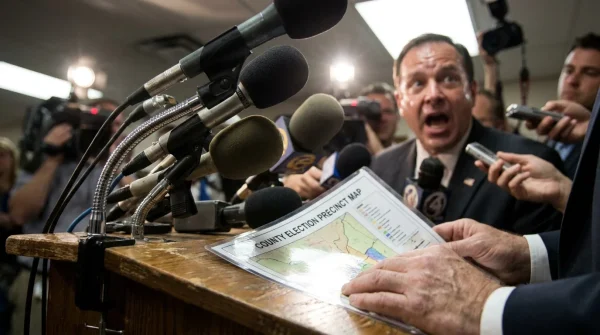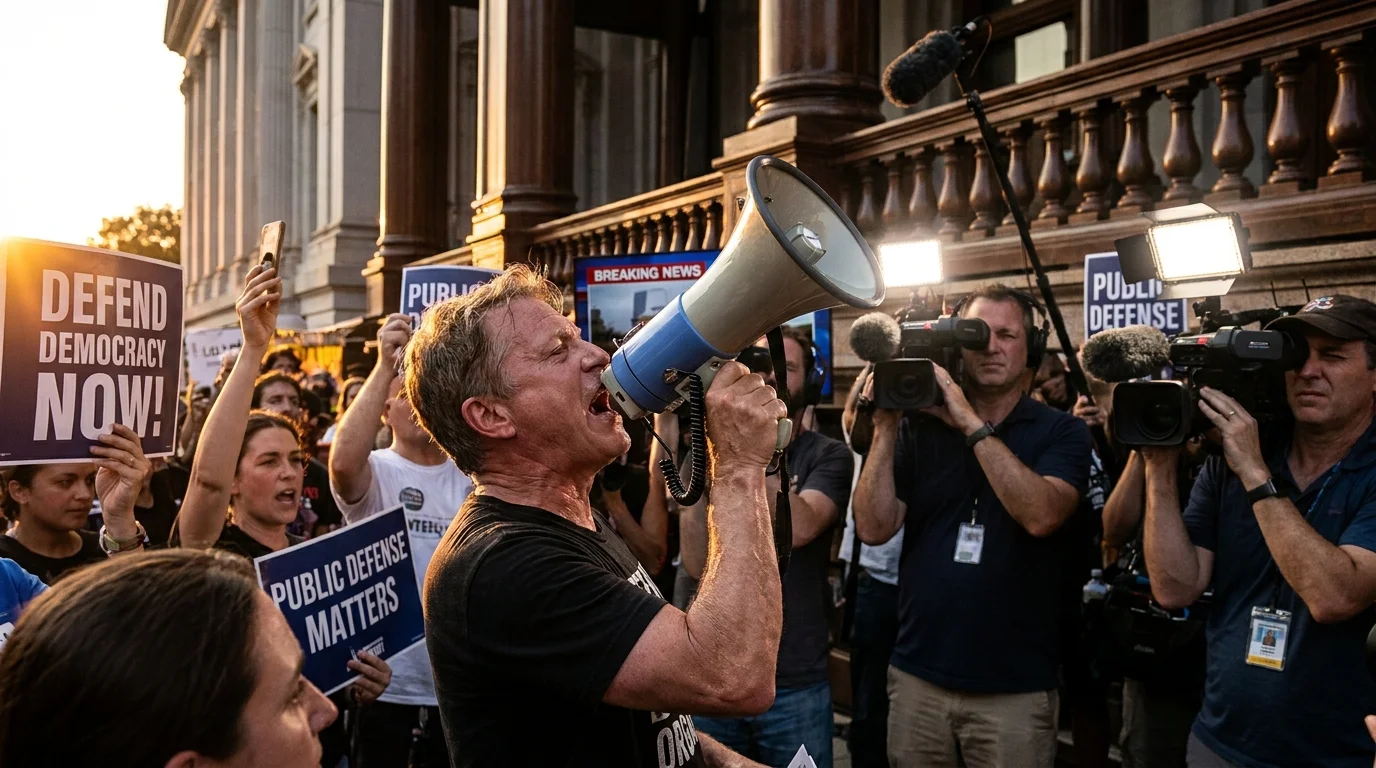
The polished mahogany committee rostrums reflect the harsh glare of broadcast television cameras, casting sharp shadows across legal pads and briefing binders. You can hear the low hum of cooling fans running inside the press risers, punctured by the steady rhythm of gavels striking wood. The air in the hearing room carries the faint scent of damp wool overcoats and lukewarm coffee poured from cardboard carafes before dawn.
We often imagine executive branch transitions as calm, orderly handoffs orchestrated by anonymous career bureaucrats following decades of settled protocol. Yet when you watch lawmakers lean into their microphones to challenge high-profile defense leadership dynamics, the illusion of seamless administrative machinery dissolves into raw political maneuvering.
The current confrontation over the Jennifer Hegseth Pentagon role strips away the standard decorum of congressional oversight. What appears on your evening feed as partisan theater actually pivots on delicate constitutional lines governing civilian defense staffing and advisory boundaries.
Understanding this battle requires looking past the cable news chyrons and zeroing in on the mechanics of legislative consent, committee jurisdiction, and administrative appointments.
The Machinery of Civilian Oversight
To grasp why this dispute ignited so quickly, you have to look at the Pentagon not as an untouchable fortress, but as an interconnected grid of legal checks. The core friction centers on Title 10 statutory authority, the federal framework dictating how defense personnel operate, advise, and exercise influence within the defense hierarchy.
When advisory or administrative profiles blend with high-visibility political alliances, established norms face immediate stress. Standard administrative procedures are designed to move quietly through obscure subcommittees, but sudden public scrutiny transforms procedural friction into an open power struggle.
- Nevada caucus delegate tally sheets derail early frontrunners across crowded casino union halls
- NGP VAN donor algorithms trigger frantic small-dollar text blasts draining working retiree balances
- Antiquities Act proclamations switch disputed resource acreage using heavy gold seal stamps
- Conference committee compromise drafts demand last-minute line strikes with thick red grease pencils
- Presidential debate podium lighting traps squirming candidates under blinding overhead tungsten glare
Where Advisory Lines Blur in Practice
Marcus Vance, a 48-year-old former Senate Armed Services committee counsel, remembers the quiet room where obscure nomination files once sat untouched for months. In his experience, appointment disputes rarely stem from personal resumes alone; they ignite the moment lawmakers suspect advisory figures might bypass statutory reporting chains to direct civilian defense policy without Senate confirmation.
When formal lines of accountability appear vague, both parties scramble to establish legal precedent. The clash you see on the committee floor reflects deep structural anxieties over who holds real operational leverage over defense decision-making.
Navigating the Legislative Battlegrounds
The dispute divides lawmakers and observers into distinct camps, each viewing the appointment through a different institutional lens.
For the Institutional Traditionalist
Lawmakers in this camp focus strictly on the Appointments Clause of Article II and statutory advisory limits. They demand rigid adherence to career civil service boundaries, fearing any informal operational authority degrades institutional memory and congressional oversight.
For the Reform-Minded Coalition
Allies and political strategists prioritize administrative agility and trusted inner-circle communication. They argue that top defense leaders require unvarnished, aligned counsel to cut through bureaucratic inertia and modernize bloated Pentagon workflows.
Mindful Analysis: How to Read Floor Clashes
Evaluating confirmation disputes and executive staffing challenges does not require a law degree. It simply takes a grounded filter for separating rhetorical bluster from actionable statutory disputes.
Follow these steps whenever a high-stakes appointment dispute floods your news cycle:
- Identify whether the position requires formal Senate confirmation under the Federal Vacancies Reform Act or functions as a non-statutory advisory post.
- Track which committee claims primary jurisdictional oversight, specifically watching the Senate Armed Services Committee versus Government Operations panels.
- Review the specific Title 10 reporting statutes cited during floor debates rather than reacting to thirty-second viral speeches.
- Monitor formal budget riders and staffing amendments introduced in response to the controversy.
By keeping this analytical toolkit in your pocket, you can cut through media noise in under five minutes. Watch for committee vote tallies, statutory citations, and formal executive branch memos rather than partisan soundbites.
The Long View on Institutional Balance
Watching these high-stakes clashes reminds you that democratic guardrails are not passive fixtures etched in stone. They are active, daily negotiations carried out beneath hot television studio lights by real people balancing executive flexibility against legislative control. When you understand the quiet structural machinery behind headline controversies, political friction shifts from confusing background noise into clear, legible governance in action.
The true measure of constitutional balance lies not in the silence of our institutions, but in how vigorously they contest the boundaries of their authority.
| Key Point | Detail | Added Value for the Reader |
|---|---|---|
| Jurisdictional Friction | Disputes over Title 10 defense advisory roles versus formal Senate confirmation requirements. | Helps you identify whether an appointment dispute is constitutional or purely rhetorical. |
| Committee Oversight | Armed Services panels using budget authorizations to enforce civilian staffing guardrails. | Allows you to track real legislative consequences beyond cable news headlines. |
| Administrative Norms | Executive branch reliance on non-confirmed strategic advisors in defense leadership circles. | Explains why staffing choices trigger swift bipartisan friction on Capitol Hill. |
Frequently Asked Questions
What triggered the public controversy surrounding the Jennifer Hegseth Pentagon role?
The controversy emerged when lawmakers raised questions over advisory jurisdiction, civilian oversight boundaries, and standard procedural protocol within the Department of Defense hierarchy.Why are Senate committees contesting this administrative appointment?
Committees seek to protect their constitutional oversight powers, ensuring that influential defense figures remain subject to statutory reporting requirements and congressional review.How does this dispute differ from standard confirmation hearings?
Unlike routine cabinet confirmations, advisory role debates center on whether non-confirmed positions exert operational influence over defense operations without direct legislative accountability.What legal framework governs these defense appointments?
Appointments and advisory boundaries are primarily governed by Title 10 of the United States Code alongside the Federal Vacancies Reform Act and Article II of the Constitution.What should citizens watch for as this situation develops?
Keep an eye on formal committee hearings, proposed legislative amendments to defense authorization bills, and official statements clarifying specific duties and reporting chains.