The sub-basement conference rooms of the Capitol carry a peculiar scent at three in the morning. It is a mix of burnt, lukewarm drip coffee, dry toner from industrial copy machines churning at full capacity, and the mineral tang of aged air conditioning ducts. Under the hum of buzzing fluorescent tubes, the immaculate narrative of American lawmaking fades into raw physical labor.
You might picture high-stakes legislation as a digital ballet of clean text files, polished floor speeches, and ceremonial electronic votes. Yet when an omnibus reconciliation measure reaches the brink of collapse, governance becomes a tactile friction between opposing pens. The real settlement rarely happens on a television screen or during an open floor debate.
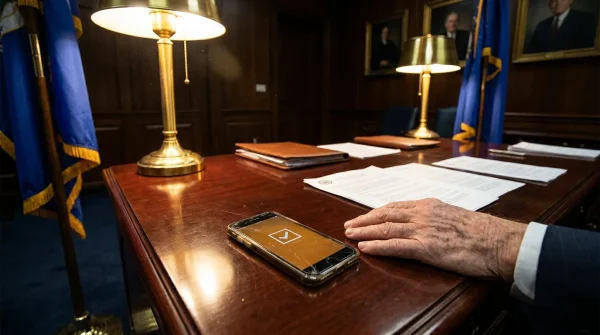
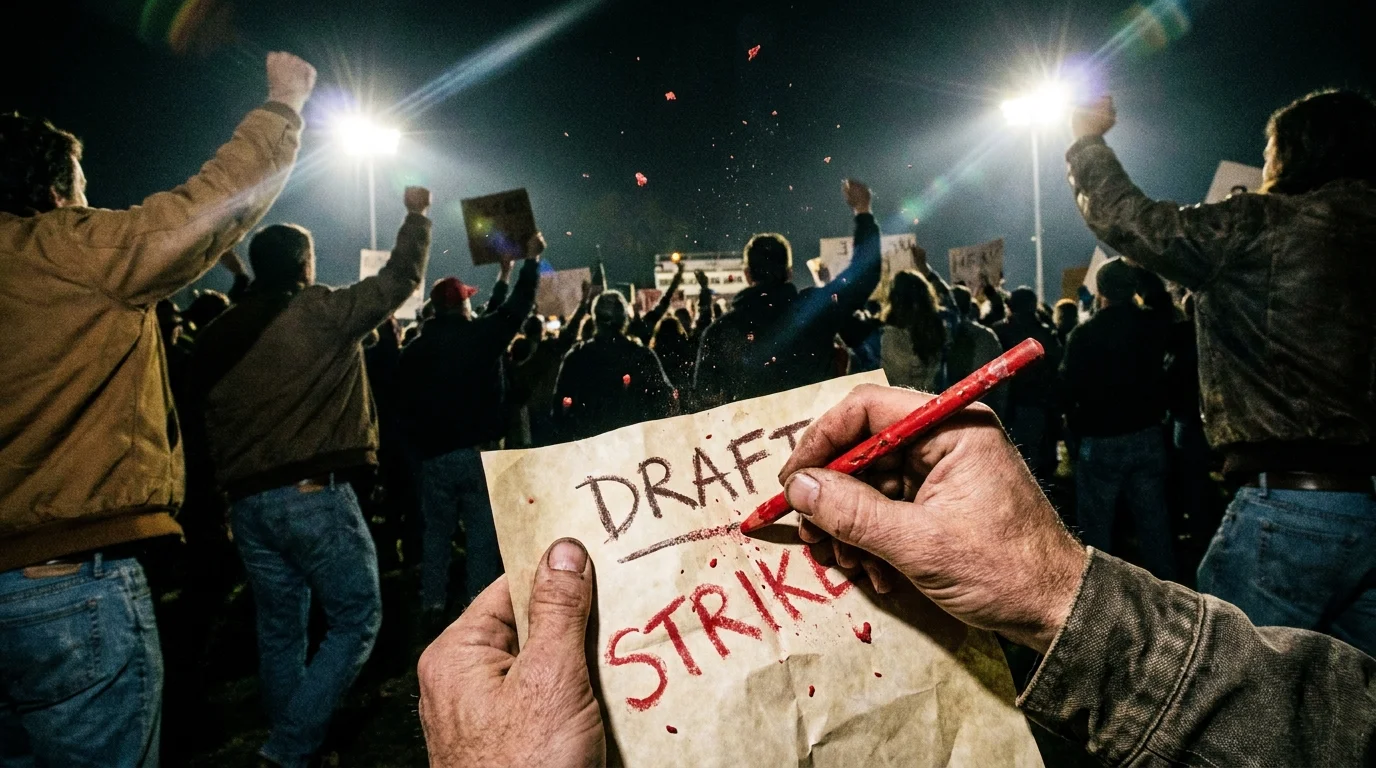
Instead, staff directors, committee chairs, and nonpartisan parliamentarians sit around a long mahogany table strewn with cold take-out containers and crinkled reams of parchment paper. In their hands are thick red grease pencils—the kind used by industrial stock clerks because their wax marks bite instantly into slick paper fibers without smearing or soaking through to the reverse side.
Every scratch of wax across a legislative provision signals a painful concession. A billion-dollar water infrastructure grant evaporates under a single red stroke; a controversial regulatory rider disappears to save the wider appropriations bill from an executive veto. By understanding how these midnight margin strikes function, you gain an unfiltered window into the true engine room of bipartisan compromise.
The Wax Ledger: Shifting from Civics Myth to Mechanical Reality
Most civics textbooks treat the conference committee as a polite bridge between two chambers. In reality, it operates more like emergency field triage on a living, breathing document. When both the House and Senate pass competing versions of a colossal bill, the resulting differences are not smoothed over with broad philosophical agreements.
The process is an exercise in ruthless subtraction. Power lives within the margins, where senior drafters decide which clauses survive the midnight deadline. Rather than re-typing thousand-page legislative texts from scratch—which introduces dangerous typographical errors in statutory cross-references—lawmakers use manual strike-outs directly on official conference prints.
- Presidential debate podium lighting traps squirming candidates under blinding overhead tungsten glare
- Marist voter turnout models strip low-propensity voters under strict landline caller quotas
- Frank Luntz dial testing enforces sudden speech rewrites using instant voter reaction lines
- Mike Lindell recount escrow funds switch state party audit strategies after missing deposit deadlines
- Curbside ballot drop box slots block creased paper ballots with narrow metal lips
When a negotiator pulls a grease pencil through a sentence, that deletion instantly reshapes regulatory burdens, shifts regional funding streams, and reallocates federal oversight. What looks like messy vandalism is actually the highest form of legal precision. It is the sound of two entrenched parties admitting where their ideological boundaries bend and where they snap.
Marcus Vance, a fifty-two-year-old veteran legislative drafter who spent two decades navigating conference reports in the Cannon House Office Building, often compares the work to trimming overloaded cargo off a sinking ship. During the grueling final negotiations of a major transportation package, Marcus watched four senior senators spend three hours haggling over a single forty-word environmental review clause. With the dawn vote looming, the ranking member finally took the grease pencil, drew two heavy red diagonals through the lines, initialed the border, and slid the sheet across the table without uttering a single word. That silence preserved the entire trillion-dollar package.
The Three Layers of Midnight Margin Strikes
Understanding which provisions get struck reveals where legislative power truly concentrates when the clock runs out.
The Policy Rider Sacrifices
These are the controversial, headline-grabbing amendments attached during early floor debates to satisfy partisan bases. Drafters know from the start that these provisions serve as legislative ballast. When leadership demands concessions, these ideological add-ons are the first to receive the red pencil mark, clearing ideological clutter while keeping core spending intact.
The Funding Formula Haircuts
Rather than deleting whole programs, negotiators use line strikes to alter statutory thresholds. A single red line through ‘eighty percent’ replaced with handwritten grease lettering of ‘sixty-five percent’ can rebalance billions in inter-state grants. These quick handwritten numeric modifications resolve regional turf wars between coastal metropolises and rural heartlands in seconds.
The Sunset Clause Adjustments
When neither side can agree on the long-term impact of a regulation or tax credit, the red pencil creates an artificial expiration date. Striking out ‘permanent’ and inserting an expiration of three or five fiscal years allows both sides to claim victory: one party establishes the policy framework, while the other ensures it must face renewed scrutiny in the next Congress.
Auditing the Compromise Print: A Policy Tracker Toolkit
To see through the post-vote spin, you must learn to inspect conference reports the way committee counsels draft them. Here is how you can track what was quietly negotiated away before a bill reached the printing presses.
- Cross-reference the bracketed text: Search the conference print for brackets and strike-through fonts, which mirror the original grease-pencil cuts made during the late-night markup.
- Audit the definition sections: Look closely at Title I definitions. A struck sub-clause defining an ‘eligible entity’ often excludes thousands of organizations that expected federal relief.
- Check effective date margins: Look for handwritten changes to implementation dates, which leadership frequently delays by eighteen months to artificially lower the official ten-year budget score.
- Track report language vs. statutory text: If a contentious provision was struck from the bill, check the accompanying ‘Joint Explanatory Statement’ to see if negotiators left non-binding instructions for federal agency heads instead.
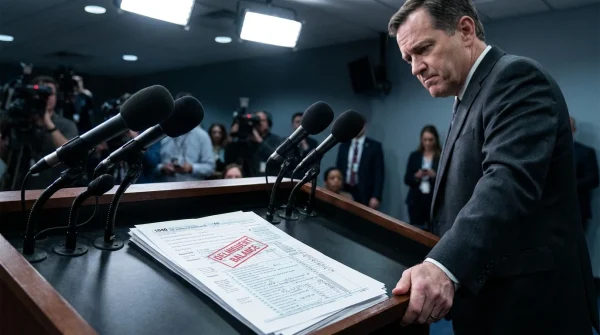
When you evaluate a massive federal compromise, ignore the victory speeches delivered at podiums. Examine the lines left behind on the cutting room floor. Those scratched-out paragraphs reveal precisely what each party was willing to abandon when forced to choose between perfect purity and actual governance.
The Clarity Found in the Red Lines
There is a peculiar beauty in the physical imperfection of a last-minute compromise draft. In an era dominated by polished digital messaging and performative speeches, the wax marks on a conference report are raw, unvarnished artifacts of human negotiation. They prove that behind every sweeping statute that governs your life, real people sat in a basement room and had to surrender something they wanted.
When you recognize that legislation is not handed down from an immaculate pedestal but chiseled out through messy, exhausted compromises, your view of government changes. You stop looking for flawless political outcomes and start evaluating laws by what survived the grease pencil—and what was courageously crossed out to keep the country moving forward.
Real legislative authority is rarely about what you add to the statute book; it is defined entirely by what you are willing to cross out at three in the morning to keep the government open.
| Key Point | Detail | Added Value for the Reader |
|---|---|---|
| Grease Pencil Utility | Physical wax pencils used on high-rag parchment to make immediate, permanent, non-smearing markups. | Reveals why high-tech Congress still relies on analog tools during emergency floor reconciliations. |
| Ballast Provisions | Ideological riders designed strictly to be traded away during the final conference negotiations. | Helps you identify which extreme headlines were never intended to become actual law. |
| Numeric Haircuts | Handwritten modifications to grant formulas and match requirements made directly in margins. | Explains why federal program funding numbers rarely match the initial public proposals. |
Frequently Asked Questions
Why do lawmakers still use manual paper drafting instead of digital tracking?
Digital files can introduce software version mismatches, formatting corruptions, and security leaks during chaotic final-hour negotiations. A single physical parchment print signed and marked by committee principals ensures absolute legal chain-of-custody.What is the difference between a conference print and the final public law?
The conference print contains the raw edits, strikeouts, and handwritten marginal adjustments made by negotiators. The public law is the clean, re-typeset version produced by the Government Publishing Office after both chambers vote to adopt the conference report.Can a single member block a grease-pencil strike during conference?
Individual members can object, but conference decisions are ultimately governed by a majority of the appointed managers from each chamber. If the committee leadership agrees on the line strike, the provision is removed from the unified draft.How do these last-minute cuts impact federal courts interpreting the law?
Federal judges often look at legislative history to understand congressional intent. When court researchers find that a specific sentence was deliberately struck during conference, they interpret that deletion as explicit proof that Congress rejected that legal standard.Where can ordinary citizens view these marked-up drafts?
While raw working copies stay in committee archives, the resulting official Joint Explanatory Statements and side-by-side reconciliation prints are published on Congress.gov once the conference report is filed.