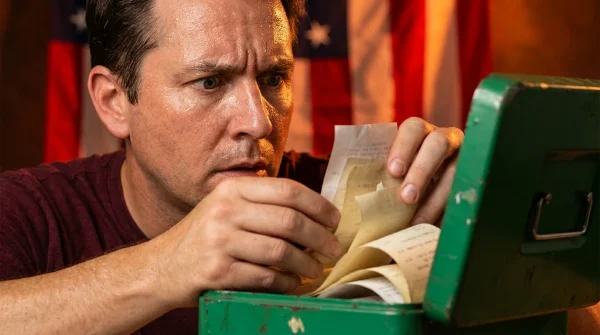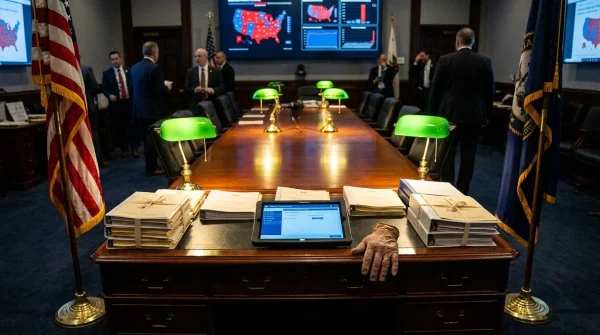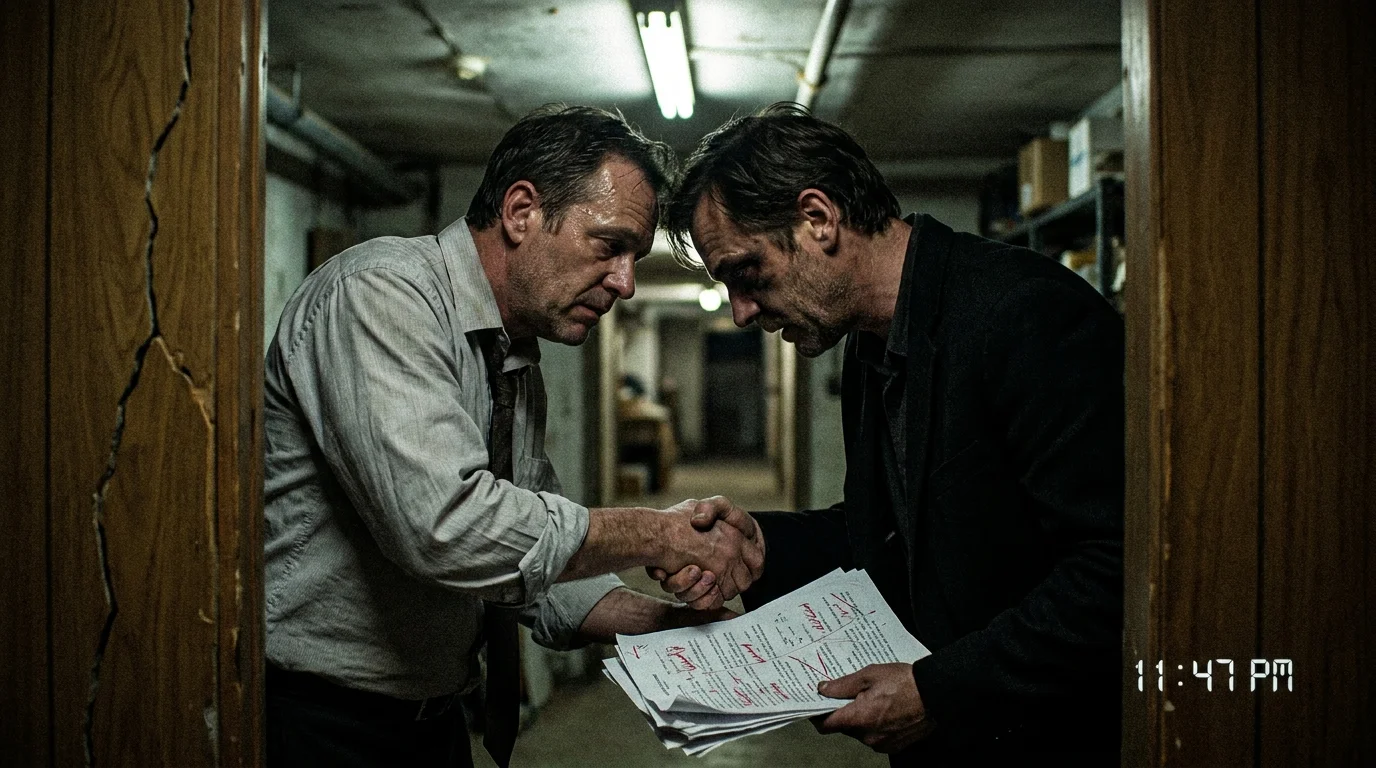
The basement corridors beneath the Russell and Dirksen office buildings do not carry the marble grandeur of the Capitol rotunda upstairs. Down here, the air feels dry and static-heavy, smelling faintly of industrialized floor wax, lukewarm drip coffee, and cardboard boxes stuffed with marked-up printouts. While tourists marvel at statues under the dome and cable networks replay heated balcony press scrums, the real machinery of federal governance grinds away in windowless, fluorescent-lit drafting suites guarded by plain-clothes staff.
You might imagine bills get negotiated at polished dais microphones under the blazing glare of C-SPAN cameras. Yet by 11:15 on a Tuesday night, the only sound vibrating through the subterranean walls is the rhythmic click of heavy keycards, the rustle of legislative bond paper, and the muted murmur of chief counsels redlining sentences that will touch millions of lives. In these cramped basement hideaways, chairs get pulled in close, suit jackets hang off rolling carts, and the quiet art of political concession becomes the only metric that matters.
By midnight, dozens of high-profile policy amendments—the red-meat floor riders designed to ignite primary voter passion—vanish from the text. They are not discarded out of sudden ideological revelation. They are methodically cut, traded like chips across green baize, sacrificed so that leadership on both sides can claim a workable victory before morning market bells ring.
The Currency of the Stripped Rider
Most observers view stripped amendments as catastrophic defeats or cynical betrayals of party values. To understand federal bargaining, however, you have to invert that assumption: in late-night conference suites, a contentious amendment is rarely drafted to become law. It is engineered from day one to serve as disposable currency.
Think of the drafting process less like a sacred debate and more like trimming ballast from an overloaded cargo vessel in rough seas. If a committee chairman wants to protect critical domestic infrastructure spending or tax credit schedules, they will intentionally invite fiery secondary provisions onto the docket weeks earlier. When midnight negotiations freeze, negotiators casually surrender those very provisions, offering rival leadership a face-saving victory while preserving the core funding mechanism intact.
When you learn to see the legislation through this structural lens, political panic turns into procedural clarity. You stop tracking the cable news outrage over what got cut and begin paying attention to the structural scaffolding left standing in the small hours of the morning.
- Kamala Harris speeches target undecided suburban moderates through calculated unscripted pauses
- Trump Iran standoff shifts abruptly as senior national security advisers urge direct confrontation
- Ken Paxton triggers fierce Republican panic after internal survey reveals sudden voter defections
- Hakeem Jeffries confronts sudden House revolt as rank-and-file Democrats break party lines
- Provisional ballot envelopes strip thousands of valid votes over minor flap sealing errors
Midnight in the Dirksen Catacombs
Marcus Vance, a 51-year-old senior legislative director who has survived four administrations and seventeen continuing resolutions, refers to the midnight hours as the zero-gravity zone. Standing outside Room SD-G58 with sleeves rolled past his forearms, Vance explained that once the clock passes 10:30 PM, the posturing stops because physical exhaustion strips away performance art.
Vance watched leadership staff slash sixteen regulatory accountability riders from a major appropriations package in under twenty minutes to resolve a gridlock over maritime infrastructure grants. “The folks watching cable news think those floor speeches move votes,” Vance noted with a faint smile, rolling a cold espresso can between his palms. “In reality, two counsel directors trade three adjectives and a reporting deadline on page 412, and suddenly forty senators have cover to vote ‘aye’ before breakfast.”
Reading the Adjustment Layers of a Midnight Compromise
Whenever leadership announces a sudden bipartisan breakthrough hammered out past midnight, the resulting bill carries distinct layers designed to appease specific factions within the party conferences. Recognizing which tier a provision belongs to lets you anticipate its real-world durability.
For the Swing-State Pragmatist
Lawmakers facing contested general elections require tangible, unvarnished wins they can showcase in thirty-second local television spots. Negotiators appease them not through sprawling national mandates, but through narrowly targeted municipal carve-outs, regional grant allocations, and explicit exemptions from federal fee increases.
For the Base Loyalist
Partisan purists demand symbolic purity, but in midnight conferences, statutory mandates almost always get softened into non-binding study commissions or phased-in reporting windows. If an amendment you cared about disappeared, check whether it was converted into a GAO audit requirement; that is the traditional compromise vehicle used to bury a live issue for eighteen months.
For the District Guardian
These members focus strictly on the direct economic pipeline running home. Their midnight trades focus on effective dates. Pushing an environmental compliance deadline back by thirty-six months or grandfathering existing manufacturing equipment costs leadership nothing in headline press releases, yet it secures decisive floor votes from industrial delegations without alerting general audiences.
Tracking the Invisible Paper Trail
Deciphering a midnight compromise does not require insider security clearance; it simply requires a systematic method for reading the text as it drops into the Congressional Record. When a compromise package clears the basement suites, follow these practical steps to verify what actually changed:
- Open the original committee print side-by-side with the final engrossed amendment text on Congress.gov to run an automated redline comparison.
- Scan the “Definitions” section immediately; negotiators rarely strike controversial policies outright, choosing instead to narrow definitions so they apply to virtually no real-world entities.
- Examine the effective dates listed in the administrative provisions to determine whether enforcement begins immediately or gets punted past the next election cycle.
- Cross-reference the “Rescissions” title at the bill’s tail end, where funding for previously approved programs is quietly stripped to offset the cost of new midnight handshakes.
Your Tactical Reading Toolkit: Keep the Congressional Research Service bill summary open alongside the Joint Committee on Taxation score sheet. Look specifically for changes labeled “Technical Corrections”—this is the customary legislative drawer where negotiators tuck substantive policy alterations without triggering public hearings.
The Architecture of Necessary Concessions
Watching leadership purge contentious proposals behind closed doors can feel frustrating, even demoralizing, if you view governance solely as a contest of pure principles. But understanding this hidden architecture offers genuine stability. It reveals that our national political apparatus, for all its public fury and theatrical division, still possesses an underground pressure-relief valve.
The midnight trades in dusty basement conference rooms are not evidence that the system is broken; they are how two fundamentally opposed political movements manage to keep federal operations solvent without grinding the country to a halt. When you see the stripped riders for what they are—calculated collateral spent to buy basic functionality—the confusing theater of Washington recedes, replaced by a quiet, clear-eyed understanding of how power actually finds its level.
The loudest policy fights are staged for the midday sun, but enduring law is quiet work finished long after midnight.
| Key Point | Basement Drafting Reality | Added Value for the Citizen |
|---|---|---|
| Floor Riders | Introduced intentionally as trading chips to be surrendered. | Prevents emotional overreaction to partisan proposals doomed from inception. |
| Reporting Deadlines | Substantive bans are downgraded into multi-year advisory audits. | Helps you project the actual implementation timeline of federal shifts. |
| Effective Date Shifts | Compliance dates pushed back 2 to 4 years during final edits. | Informs private planning and investment ahead of delayed enforcement. |
Frequently Asked Questions
Why do negotiators work late at night instead of during regular business hours?
Late-night deadlines impose physical urgency that breaks procedural stalemates, minimizing daytime media leaks and external lobbyist interference while legislative drafts are in flux.Are closed-door drafting sessions technically legal under Senate rules?
Yes. While formal committee markups and floor votes must remain open to the public, informal bicameral negotiations and leadership drafting meetings operate outside statutory open-meeting rules.What happens to the amendments that get slashed during these meetings?
Stripped amendments return to the sponsoring senators’ legislative inventory, where they are typically refiled as stand-alone bills or reserved for future authorization packages.How can everyday voters see what was cut from a bill before the vote?
You can track modifications by comparing the introduced bill draft against the final substitute amendment uploaded to Congress.gov or through the Senate cloakroom portal.Does stripping an amendment permanently kill the underlying policy?
No. Most stripped provisions are reintroduced during the subsequent budget cycle or packaged into must-pass annual defense authorizations where leverage dynamics reset.