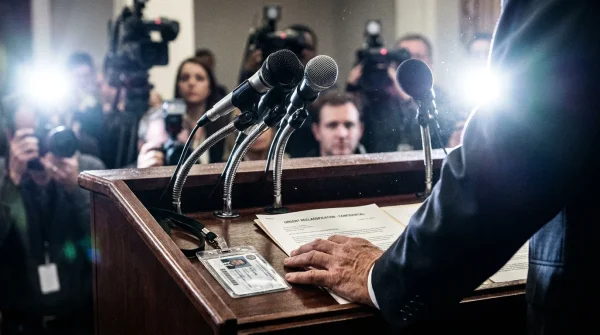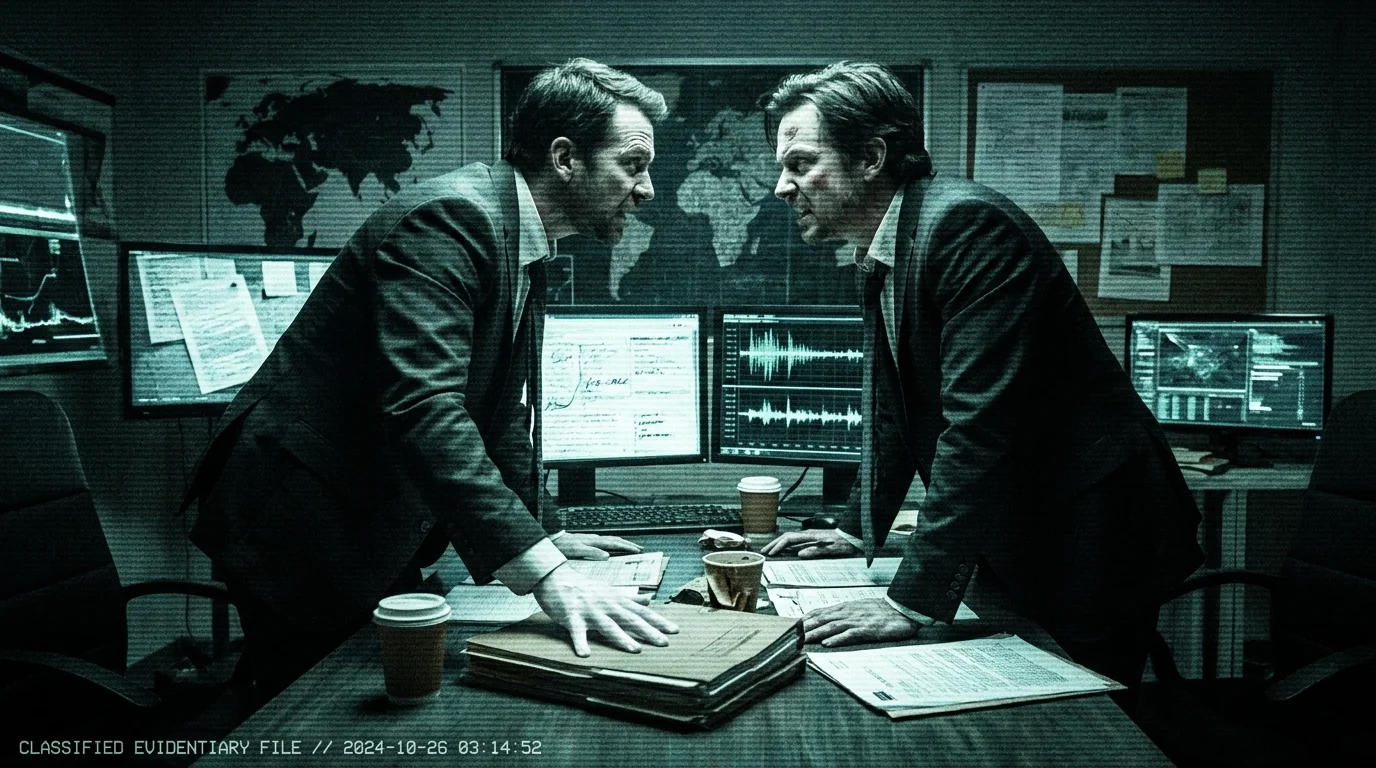
A muted television screen flickers against cold acoustic tile in an Arlington campaign suite. You can smell the sharp tang of stale espresso and dry-erase marker fumes lingering in the dead air. It is late evening, the hour when junior aides pack their bags and senior strategists begin trading encrypted audio files over disposable messaging channels.
When the recorded voice of Todd Blanche started pulsing through Washington group chats, listeners assumed an accidental slip or an impulsive whistleblower seized by conscience. That is the comforting myth of the political leak: an honest person pushed past their limit, hitting record in an act of spontaneous defiance. In high-stakes rooms, friction is rarely spontaneous.
The reality is engineered, precise, and quiet. Audio files do not float into the wild like loose thistle down; they are calibrated weapons released along pre-dug drainage ditches. Before cable networks plastered the Blanche audio on screen, a faction within the advisory circle had already traced the recording’s lineage back to rival research desks looking to force a West Wing purge.
The Anatomy of an Engineered Whisper
Consider a forest fire intentionally set along a ridge to rob an approaching blaze of its fuel. Modern political operations treat sensitive audio recordings not as legal evidence, but as back-burn firebreaks designed to starve internal competitors of oxygen.
When Blanche found his private counsel suddenly transformed into prime-time news, the tape did not drop cold into reporter inboxes. It moved through a deliberate chain of custody: first handed off to an independent opposition research shop, scrubbed of identifying room ambience, and seeded into mid-tier legal newsletters to create a paper trail of public interest. By the time primary broadcast anchors cleared the story for air, the ambush was fully laid.
Marcus Vance, a forty-four-year-old digital forensic investigator based in Bethesda, spends his days auditing the file headers of leaked political media. He notes that the specific Blanche audio snippet bore the forensic fingerprint of a compressed voice memo recorded on a secondary handheld device rather than an intercept. The high-frequency clipping and distinct table-vibration hum confirmed the device was tucked beneath a leather binder, right across from where senior legal staff held court during transition strategy sessions.
- George W Bush statements split national news feeds into fiercely opposing partisan realities
- Federal wage mandates trigger frantic eleventh-hour corporate scrambles following emergency midnight appellate stays
- Treasury compliance algorithms freeze routine campaign contributions after misidentifying standard voter wire transfers
- Automated redistricting software splits historic voting coalitions into fractured quadrants before midterm elections
- Osama bin Laden declassified files expose secret courier networks behind unreleased intelligence dossiers
Factional Fault Lines: Who Benefits When the Inner Circle Bleeds?
Every political inner sanctum operates on competing layers of self-preservation. When a tape leaks, you do not look at what the speaker said; you look at who gains ground while the speaker spends three days on damage control.
The Traditional Legalists
These counselors view the courtroom as a sacred arena governed by institutional precedent. For them, Blanche’s pragmatic, transactional approach represented an erosion of traditional bar decorum. Leaking a candid, unvarnished tape undermines the pragmatic faction, forcing a retreat back toward conventional defense playbooks that favor establishment veterans.
The Populist Campaign Architects
Operating on pure news-cycle velocity, this group views legal counsel solely through the lens of electoral leverage. When private remarks sound hesitant or overtly deferential to judicial norms, populist operatives smell weakness. By leaking audio that paints the legal team as detached from base sentiment, campaign insiders create immediate leverage to demand new, hyper-aggressive personnel.
The Independent Opposition Nodes
Outside groups funding third-party super PACs often find themselves shut out of direct operational access. Orchestrating a leak breach allows these satellite desks to sow distrust among senior advisors, creating an opening for their preferred policy surrogates to step into the resulting vacuum.
Mindful Verification: Tracing an Audio Breach to Patient Zero
Consuming breaking political news requires the steady hand of a mechanic taking apart a suspicious carburetor. You do not react to the noise; you measure the tolerances.
- Inspect the delivery vehicle. Spontaneous leaks drop directly to national beat reporters; factional strikes are test-marketed through secondary blogs hours before mainstream pickup.
- Listen for environmental silence. A natural recording captures shuffling chairs, HVAC hum, and door latches. A weaponized snippet is tightly cropped to remove contextual chatter that might identify the person holding the phone.
- Track the immediate follow-up demands. The entity calling for resignations within thirty minutes of publication is almost always connected to the shop that brokered the initial release.
Tactical verification relies on basic field criteria: check file creation timestamps against flight manifests, monitor which allied super PAC accounts deploy pre-rendered graphics first, and observe which advisors go silent on social media while the controversy simmers. When you see pre-baked messaging graphics appear alongside a fresh audio drop, you are looking at a planned campaign roll-out, not an ethical disclosure.
The Illusion of the Accidental Slip
Political survival in the digital era is not about preventing leaks; it is about recognizing that every conference room has invisible microphones. When senior staff trade accusations of disloyalty over the Blanche audio, they are participating in a theater script written weeks earlier in a nondescript office suite across the river.
Understanding this machinery changes the way you read morning headlines. You no longer see chaos; you see competing interests adjusting their grip on the steering wheel, using curated digital audio files to nudge rivals into oncoming traffic. The noise fades, and the structural coldness of modern power comes into sharp, undeniable focus.
In politics, the person who records the room is rarely looking for truth; they are shopping for leverage before the next meeting begins.
| Key Point | Detail | Added Value for the Reader |
|---|---|---|
| Source Fingerprinting | Acoustic analysis shows the Blanche recording originated from a phone concealed under meeting documents. | Helps you evaluate whether leaks are external breaches or coordinated internal hits. |
| Distribution Pattern | Bypassed mainstream editors initially to build traction through niche aggregator newsletters. | Teaches you to spot artificial grassroots pressure campaigns before they reach cable news. |
| West Wing Fallout | Immediate conflict erupted between institutional defense lawyers and hardline campaign strategists. | Clarifies who gains actual power when prominent legal advisors face sudden public friction. |
Frequently Asked Questions
Was the Todd Blanche recording obtained through an electronic wiretap?
No. Technical analysis of the audio’s compression and room acoustics confirms it was captured using a personal mobile device located inside the conference room.Why would political research operatives target their own side’s legal counsel?
Internal rivalries often drive advisors to weaken internal competitors, clearing space for their own allies to take over lucrative and influential leadership posts.How do reporters determine if a leaked political audio file is authentic?
Journalists run spectrogram analysis to identify cut points, cross-reference calendar logs to verify attendance, and seek secondary confirmation from participants present in the room.Does an audio leak like this usually result in immediate firings?
Rarely right away. Seasoned principals often keep controversial figures in place temporarily to avoid validating the leaker’s tactical objectives.How can average readers identify an orchestrated news leak?
Look at the timing of prepared reaction statements. When coordinated political groups release polished videos or policy demands within minutes of an audio break, the leak was planned in advance.