The steam rises off your black coffee at 6:15 on a Tuesday morning, catching the low gray light coming through the blinds. You sit at your kitchen counter, laptop open, finishing a routine chore: wiring a two-hundred-dollar contribution to a local congressional campaign you have supported for years. You click submit, wait for the green checkmark, and close the lid to get the kids ready for school.
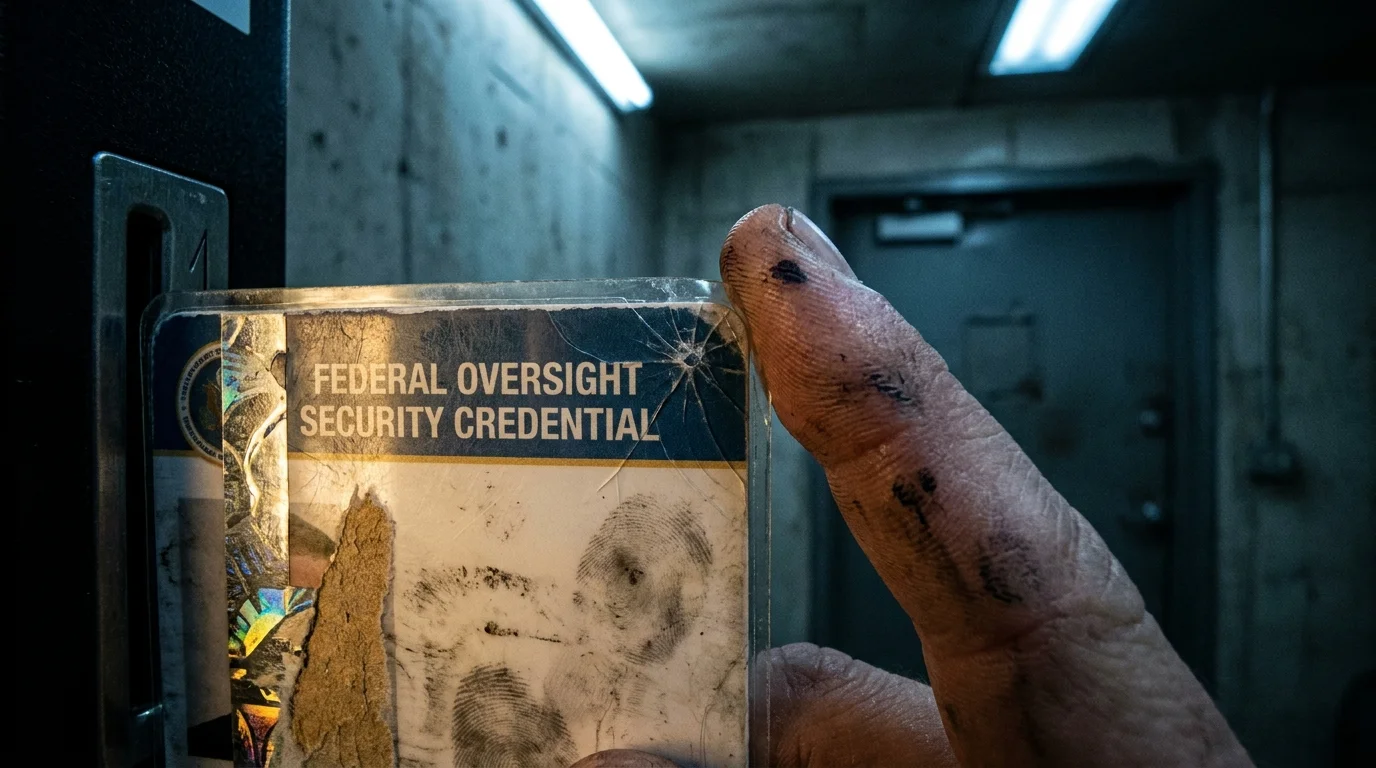
By noon, your phone buzzes with an unceremonious text message from your bank. Your checking account is frozen due to an unresolved compliance restriction, your debit card declines at the grocery store checkout, and your digital access is blacked out behind an automated customer service wall. You have broken no laws, spent well below individual donation limits, and used the exact same account you pay your mortgage from every single month.
Most people assume a financial halt like this requires human eyes—a suspicious bank manager filing paperwork, an investigator noticing irregular activity, or a campaign finance auditor flagging an unverified address. That assumption is an outdated relic from a paper-bound era. In today’s financial architecture, nobody read your name, reviewed your transaction, or debated your intent.
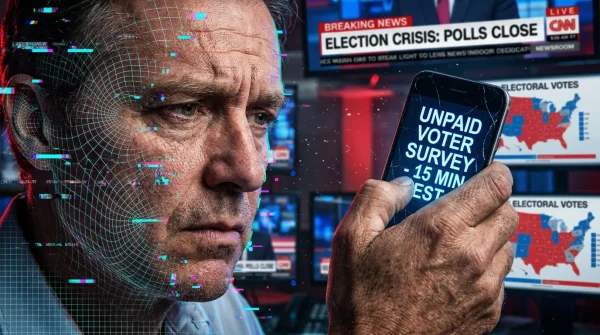
Instead, you brushed up against a silent, uncalibrated line of code. Under updated anti-money laundering mandates, banks have handed regulatory enforcement over to Treasury compliance algorithms. When these automated models trigger a false positive on your ordinary wire transfer, the machine locks your private ledger immediately, long before any human caseworker even knows your account exists.
The Blind Tripwire in the Machine
To understand why your regular political support can suddenly lock your daily life, you have to picture modern fraud surveillance not as a careful detective, but as an unguided sound sensor in an echoing room. When federal agencies raise institutional alert levels on dark-money networks or foreign wire fraud, commercial banks do not hire more compliance officers. They simply turn up the digital microphone.
These software filters parse millions of real-time transactions by stacking synthetic risk scores. If you wire funds to a candidate whose committee operates through a shared digital merchant gateway, or if your memo line matches a broad lexical pattern, the algorithm treats the event as an immediate national security threat. The system does not ask for clarification; it severs the connection at the root to avoid federal penalties.
- Automated redistricting software splits historic voting coalitions into fractured quadrants before midterm elections
- Osama bin Laden declassified files expose secret courier networks behind unreleased intelligence dossiers
- Suburban swing voters freeze national campaign strategies over multi-family housing zoning mandates
- Eric Adams memos expose aggressive press deflection strategies against federal corruption charges
- Supreme Court rulings freeze regional pipeline projects leaving municipal budgets stranded
The central illusion of automated compliance is the belief that speed equals precision. In reality, the algorithms look at context the way a steamroller looks at terrain. A recurring monthly donation that clears through an unfamiliar regional clearinghouse looks identical, in the software’s blunt mathematical logic, to an illicit corporate structuring scheme. The machine flags the transaction, isolates the funds, and pushes your personal profile into a digital quarantine.
A Warning from the Trenches
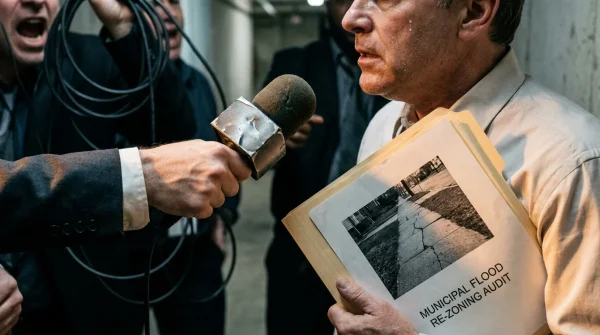
Consider the experience of Marcus Vance, a 52-year-old logistics coordinator from Grand Rapids, Michigan. Last month, Marcus wired $450 to an independent state senate campaign that was organizing an emergency recount petition. He typed the campaign’s banking details directly from their registered state filing, entered his employer information as federal election law requires, and authorized the transfer from his credit union app. Within four hours, Marcus’s primary checking and connected savings accounts were completely locked under a synthetic high-risk anti-fraud alert, because the recipient campaign’s processing bank happened to share an offshore routing node with a flagged international entity.
For five business days, Marcus could not buy gasoline, pay his electric bill, or withdraw cash. When he reached a human branch representative, the employee could only look at a blank red banner on their internal screen that prohibited staff from modifying the freeze until an automated Treasury clearance report processed. Nobody at the credit union had accused Marcus of wrongdoing, yet his family was effectively cut off from their own money by a digital glitch running on autopilot four hundred miles away.
Managing the Blast Radius Across Donor Profiles
The impact of this automated dragnet does not fall evenly on every voter. Depending on how you interact with local or national campaigns, your financial footprint triggers distinct algorithmic sensitivity levels that require different safeguards.
The Recurring Small-Dollar Supporter: If you donate small amounts through recurring monthly platforms, your primary danger is batch-processing flags. Campaigns often bundle these contributions into large bulk wires that trigger sudden anti-structuring alerts inside private processing banks. When the algorithm flags the collective batch, individual contributor accounts attached to the wire can be temporarily blacklisted by retail risk systems.
The Grassroots Campaign Treasurer: Local treasurers face the sharpest edge of this automated squeeze. Municipal campaign accounts are regularly paralyzed overnight because a sudden influx of twenty-dollar digital transfers from first-time donors registers as an illegal automated bot attack. Without immediate human intervention, the campaign cannot pay print shops, buy venue insurance, or issue payroll during the final days before a primary vote.
The High-Volume Split-Ticket Donor: Donors who divide contributions among several non-partisan pacs, school board hopefuls, and state initiatives simultaneously often trigger cross-network velocity tripwires. If you schedule three wires in a single forty-eight-hour window to different political entities, your profile matches the behavioral baseline of coordinated dark-money dispersals, tripping automated freezes across both personal and business accounts.
How to Insulate Your Ledger and Force Human Adjudication
If your account gets caught in an automated regulatory freeze, standard customer support scripts will not help you. You are dealing with an automated statutory quarantine that low-tier representatives cannot override. You must take deliberate steps to force your file into the hands of an actual compliance officer.
- Demand the Exact Regulatory Hold Code: When you call your institution, refuse to spend time discussing basic identity verification. Ask the representative specifically: “Is this hold governed by an automated Office of Foreign Assets Control flag, a suspicious activity algorithmic tripwire, or an internal risk rule?” Getting the exact administrative classification forces the representative to escalate the ticket directly to the back-office risk department.
- Never Reference the Political Candidate by Name: Explaining to a customer service agent that you were merely backing a candidate will only drag out the call. Frame the wire as a registered domestic transfer under FEC or state election oversight, and request the human compliance officer look up the recipient’s public Committee Identification Number.
- Bypass Direct Wires for Regulated Third-Party Processors: Until algorithmic calibration stabilizes, direct bank-to-bank wire transfers for political causes carry the highest risk profile. Use dedicated credit lines or verified secondary payment intermediaries rather than routing directly from your primary household escrow or checking accounts.
Keep a tight paper record of your civic spending. Maintain a single folder with your contribution receipts, the campaign’s registered committee details, and your official filing notices so that when an uncalibrated program freezes your assets, you can resolve the issue with hard documentation before your rent check bounces.
Reclaiming Civic Participation from the Code
There is a profound quiet that settles when your own money is locked behind a computer screen that refuses to listen. Engaging in your community’s political life should feel like an act of deliberate civic ownership, not a hazardous gamble with your family’s daily solvency. When cold software models are allowed to govern financial liberty without human accountability, ordinary citizens start hesitating before writing a check or supporting an underdog candidate.
Understanding how these blind administrative mechanisms operate transforms you from a confused victim into an informed operator. Demanding accountability from your banking institution and learning how to protect your primary accounts does more than just protect your daily grocery budget. It defends your voice against an indifferent, automated bureaucracy that was never taught how to tell a committed neighbor from a threat.
“When civic participation gets funneled through uncalibrated security software, basic constitutional engagement is quietly transformed into a high-risk financial event.”
| Key Point | Detail | Added Value for the Reader |
|---|---|---|
| Algorithmic False Positives | Machine-learning models flag recurring wires based on mathematical velocity rather than actual legal violations. | Pinpoints the hidden trigger so you know your account wasn’t singled out manually. |
| Customer Service Lockouts | Front-line bank branch workers are legally restricted from overriding federal compliance flags. | Saves hours of wasted effort by skipping generic call centers to demand back-office compliance. |
| Account Partitioning Strategy | Separating civic contributions into secondary credit lines insulates household payroll funds. | Protects your mortgage and grocery funds from collateral damage during an automated freeze. |
Frequently Asked Questions
Can my bank legally freeze my checking account without warning me first?
Yes. Under federal anti-money laundering frameworks and automated compliance mandates, financial institutions are legally required to isolate suspected funds instantly, often accompanied by strict ‘no-tipping-off’ rules that prevent staff from alerting you beforehand.Why did my small donation get flagged when million-dollar contributions clear every day?
Institutional megadonors route funds through established corporate legal teams that pre-clear accounts with federal clearinghouses, whereas individual voter wires pass through automated retail risk filters that lack human nuance.How long does an automated Treasury compliance review usually take to resolve?
Without human intervention, these holds typically idle in an automated digital queue for three to ten business days. Demanding immediate escalation to a tier-three compliance officer can reduce that window to twenty-four hours.Will an automated contribution flag damage my personal credit score?
The compliance flag itself does not report directly to credit bureaus, but secondary fallout—such as bounced auto-debit payments, missed mortgage drafts, or stalled credit cards—can severely damage your score if not unblocked quickly.What is the safest payment method to back a grassroots campaign right now?
Using a dedicated consumer credit card through a registered political merchant portal offers the greatest security; credit cards carry statutory fraud protections that prevent an automated freeze from locking your accessible cash reserves.