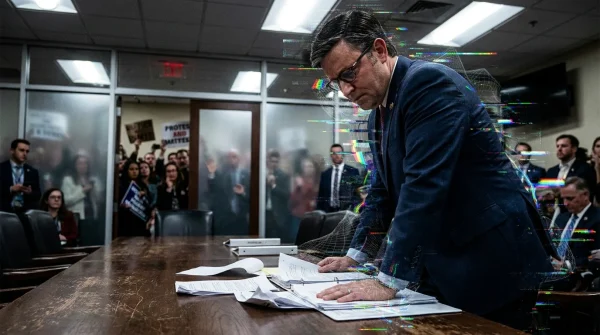
The carpet outside the Senate cloakroom does not echo. Heavy, forest-green pile absorbs the scrape of leather soles, leaving only the low hum of air circulating through century-old vents and the rustle of paper whip sheets being tucked into breast pockets. If you stand near the Ohio Clock corridor on an ordinary morning, you hear the predictable cadence of junior aides rushing binders to committee rooms. Today carries a different cadence altogether—a deliberate, calculated hush that feels like breathing through a pillow.
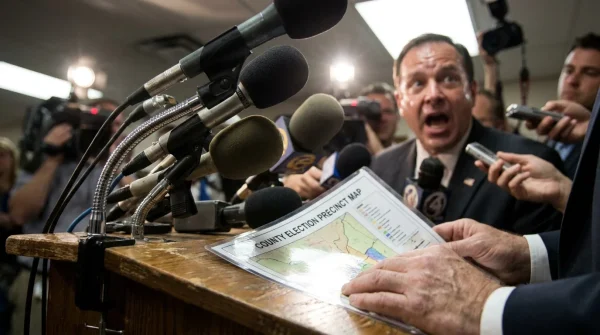
You might expect a leadership revolt to look like a brawl on television: raised voices in front of bank microphones, dramatic statements handed out on crisp letterhead, or late-night cable monologues. That is theater for tourists. In the actual machinery of the United States Senate, an insurrection looks like an empty floor, an uncalled quorum, and a clock ticking down against an unresolved agenda.
Early this morning, Mitch McConnell executed an ancient institutional maneuver that slipped right past the headline chyrons. By using a quiet parliamentary checkmate—withholding final conference signatures and pulling floor time from pending member bills—he effectively froze the legislative calendar. The goal was not to defeat an external opposition party; it was to pin down rival factions within his own caucus before they could leverage signature policy wins into internal leadership ballots.
The Clock as a Weapon: The Checkvalve Protocol
To understand the Senate, you have to discard the illusion that legislation moves on merit. Power here functions like an old municipal steam plant: pressure builds through pipes, and whoever holds the manual checkvalve controls whether the radiator warms the room or blows a gasket. When succession battles flare, the fight is never purely ideological; it is about controlling the scarce commodity of floor time.
Most casual observers assume that party leaders maintain their grip through public loyalty pledges or campaign war chests. In reality, procedural timing dictates institutional power far more than rhetoric ever will. By choosing not to schedule specific cross-aisle measures backed by insurgent rivals, McConnell turned the calendar itself into a leverage vise. A senator cannot run a victory lap back home on a marquee infrastructure or deregulation rider if that bill remains stuck on the executive calendar, waiting for a motion to proceed that never arrives.
The Whispered Count in Room S-230
Consider the calculation faced by Marcus Vance, a 48-year-old senior legislative strategist who has spent two decades tracking whip counts from the marble corridors of the Russell Senate Office Building. Vance watches the board not by tallying stated public intentions, but by noting who lingers by the elevator after the morning caucus lunch. This morning, as McConnell’s lieutenants began quietly passing word that pet amendments would languish until the leadership slate finalized, Vance noted the sudden panic among staff directors who had spent eighteen months packaging what they thought were foolproof floor vehicles.
- Voter ID affidavits block thousands of swing state ballots over tiny clerical discrepancies
- Federal tip tax exemptions slash take-home deductions for millions of service industry workers
- Municipal school board census tracts derail historic community voting blocs across cracked asphalt schoolyards
- Regional air quality advisory boards enforce surprise backyard woodstove bans behind creaky oak doors
- State transit payroll surcharges strip weekly paycheck buffers before faint dot matrix stubs print
The maneuver was clean, clinical, and silent. Instead of calling an open confrontation, leadership simply left the floor in a rolling posture of administrative delay. The insurgents, eager to demonstrate independence to external donor networks, suddenly discovered that their signature legislative collateral was hostage to the very establishment machine they sought to displace.
The Three Factions Caught in the Freeze
Every corner of the Senate GOP conference responds to this institutional brake through a different survival calculus. When you look closely at the member roll, the pressure divides cleanly across three distinct camps.
For the Red-State Insurgents
These lawmakers draw their oxygen from primary grassroot enthusiasm and digital fundraising spikes. They need floor fights—specifically, roll-call votes on polarizing amendments—to prove to their base that they are breaking the back of old guard consensus. For them, a stalled floor is a starvation diet; without recorded votes on their policy triggers, their primary messaging loses its sharpest edge.
For the Committee Cardinals
These are the veteran dealmakers who gauge their worth by passed authorizations and defense title earmarks. Stalled votes stall project pipelines back home, putting multi-year policy compacts at risk of expiring when the legislative session sunsets. They privately despise public factional brawls because gridlock threatens the quiet regulatory exemptions they promised to home-state employers.
For the Pragmatic Freshmen
Caught in the crosshairs, first-term members need tangible wins to defend vulnerable seats in the upcoming cycle, but they cannot afford to cross whichever faction takes the gavel next January. They are currently voting present in spirit, terrified that backing the wrong succession candidate today means their maiden bills die in committee tomorrow.
Mindful Navigation: Reading the Legislative Freeze
When you watch this standoff unfold on CSPAN, ignore the speeches delivered to empty desks. Focus entirely on the parliamentary machinery running underneath the broadcast.
- Watch the cloture petitions filed by leadership; an absence of fresh motions indicates the deep freeze remains fully active.
- Track which non-controversial judicial nominees suddenly get brought up for unanimous consent, used purely as clock-killing filler while backroom tallies occur.
- Monitor the committee markup schedules in the Hart and Dirksen buildings, where real policy concessions are traded to release stalled floor votes.
The tactical toolkit for evaluating this maneuver relies on cold metrics: legislative days remaining before the recess, the number of unconfirmed executive calendar items, and the uncommitted margin in closed-door party conference polling.
The Balance Behind the Brass Railing
It is tempting to view these maneuvers as pure cynicism, an aging establishment clinging white-knuckled to authority while an energetic flank tries to kick down the door. Yet there is an unexpected stabilizing grace built into the Senate’s glacial mechanics. The rules that allow a minority faction to disrupt the institution are the exact same rules that allow an entrenched leader to halt an emotional stampede.
When floor votes grind to a sudden halt, it forces every participant to measure the true weight of their ambitions against the actual price of governing. Slowing down the legislative machine strips away the cable news bluster and lays bare the raw numbers of institutional support. You come away realizing that in American governance, victory does not belong to whoever shouts the loudest on the steps, but to whoever understands how to make the clock stand completely still.
The floor of the Senate does not belong to the fastest speaker; it belongs to the hand that controls the calendar.
| Key Point | Detail | Added Value for the Reader |
|---|---|---|
| Floor Calendar Freeze | Strategic delay of pending member amendments | Explains why headline-grabbing bills suddenly vanish from daily debate |
| Cloakroom Whip Count | Informal tallies gathered away from public scrutiny | Reveals how succession votes are won before formal ballots are cast |
| Unanimous Consent Holds | Single-senator procedural objections utilized by leadership | Shows the leverage individual lawmakers surrender when challenging the hierarchy |
Why did Mitch McConnell freeze Senate floor votes this week?
He used administrative control of the schedule to prevent rival factions from passing high-profile legislation that could be used as political collateral in the upcoming leadership succession election.Does this mean all Senate legislative business is dead?
No, routine administrative business, low-level confirmations, and closed-door committee negotiations continue while major policy votes are temporarily held in stasis.How does delaying votes hurt internal party rivals?
Insurgent lawmakers rely on floor amendments to demonstrate grassroots results to donors; halting floor action denies them that campaign momentum.Can the insurgent faction force a vote without leadership approval?
While discharge petitions and procedural motions exist, they require cross-aisle coalitions and rare procedural thresholds that party defectors rarely manage to assemble.What signals will show that the succession standoff is resolving?
Look for a sudden batch of bipartisan unanimous consent agreements and the sudden scheduling of long-delayed committee reports, signaling that behind-the-scenes tallies have settled.