The morning chill settles hard against your kitchen window, biting through the double panes before dawn even breaks. Outside, the woodpile sits under a frosted canvas tarp, cords of split red oak seasoned across two dry summers, waiting to warm the drafty corners of your living room. You light a kindling stick, watch the initial curl of gray smoke rise into the flue, and expect the quiet comfort you have known for twenty years. In your mind, property rights and winter heat are simple truths guarded by the local council members you see at the diner or greet on election day.
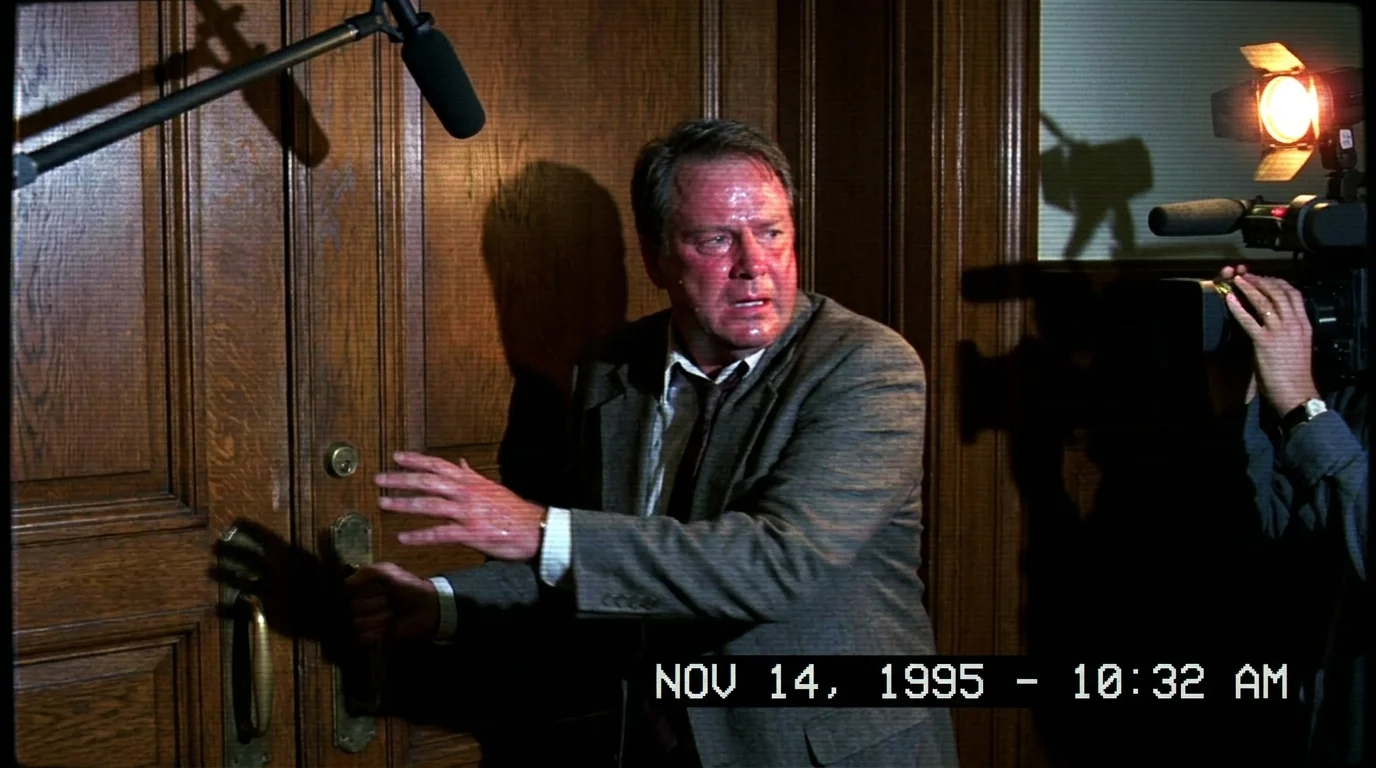
Yet thirty miles away, inside an aging municipal annex, a heavy, creaky oak council door swings shut against the winter draft. There are no television cameras in this hallway, no campaign signs posted along the curb, and no long line of neighbors waiting at a public microphone. Inside, an appointed panel of regional environmental administrators sits beneath flickering fluorescent tubes, sifting through computerized particulate models rather than listening to public testimony.
By the time you open your mailbox that afternoon, the quiet machinery of administrative governance has already arrived. The crisp white envelope bearing an unfamiliar county seal informs you that your hearth is now an illegal emission source, subject to immediate daily fines. You never saw this policy on a ballot, your township supervisor never cast a roll-call vote, and no local hearing ever appeared on your town hall docket.
The Anatomy of the Consensus Inversion Play
Most citizens believe local laws originate in plain sight, forged through passionate community debates and decided by elected officials who face voters every November. The modern reality operates on a very different axis: the administrative bypass valve, where statutory advisory panels quietly turn non-binding air metrics into ironclad household mandates. By framing residential wood smoke strictly through regional particulate thresholds, these advisory bodies invoke emergency health mandates that entirely skip the legislative process.
This is the consensus inversion play in practice. State legislatures routinely delegate broad regulatory authority to unelected regional bodies to manage federal clean air compliance. Instead of debating the personal and financial costs of banishing cordwood heating in open council chambers, elected leaders defer entirely to the advisory panel’s technical recommendations. What begins as a polite white paper quietly hardens into binding municipal code behind closed committee doors, leaving homeowners holding the bill for an unvoted decree.
When public blowback inevitably erupts, your elected town representatives simply point their fingers upward, claiming their hands are tied by regional health directives. The advisory board, insulated from electoral fallout, points downward at statutory air targets. In this deliberate shuffle of accountability, your hearth becomes collateral damage in an administrative shell game.
- State transit payroll surcharges strip weekly paycheck buffers before faint dot matrix stubs print
- Cushing crude oil hub storage drains demand emergency tank farm drawdowns amid roaring pipeline pumps
- Declassified Operation Mockingbird files expose clandestine newsroom wiretaps inside yellowing teletype rooms
- TikTok election algorithm feeds trap rival voter bases behind polarized glowing phone screens
- Kathy Hochul commuter tax proposals force angry suburban driver protests at rattling toll barriers
Consider Tom Vance, a fifty-four-year-old master hearth installer and retired volunteer fire captain in Jefferson County, Colorado. Vance spent three decades helping rural families safely retrofit vintage woodstoves to meet changing neighborhood standards. Last winter, he watched three generations of neighbors receive identical cease-and-desist letters after an obscure three-member air basin board lowered the allowable winter PM2.5 threshold by four micrograms during a closed working session. Not a single town supervisor cast a recorded vote on the change, yet the county sheriff’s department was statutory-bound to enforce the citations.
Where the Regulatory Squeeze Lands Hardest
The impact of closed-door advisory bans does not fall evenly across a county map; it concentrates in specific topographical and economic pockets where alternatives are scarce.
The Mountain Basin Corridor: In geographic hollows and mountain valleys, cold air pools overnight, trapping microscopic particulates beneath inversion layers. Regional advisory boards view these natural thermal blankets as administrative emergencies, targeting older cast-iron stoves first. If you live along a valley floor, your heating autonomy is often the first casualty of an automated air-monitoring station placed miles downriver.
The Suburban Wood-Lot Belt: Outer suburban rings built during the 1970s and 1980s rely heavily on supplemental timber heat to offset brutal electric baseboard costs. Here, unelected panels enforce strict retrofits that require homeowners to rip out functional masonry fireplaces in favor of four-thousand-dollar pellet systems or electric mini-splits that strain during freeze events.
The Off-Grid Redoubt: For families operating outside natural gas corridors, wood heat is not a nostalgic luxury; it is a critical safeguard against winter grid failure. Advisory board decrees often make no functional exception for rural boundaries, penalizing properties where deadfall timber is the only reliable winter warmth available.
Navigating the Administrative Trap: A Tactical Response
Challenging a statutory advisory board requires shifting your focus away from traditional political appeals toward administrative mechanics. Because these boards operate on technical consensus rather than ballot fear, you must counter them within their own procedural sandbox.
- Examine the Statutory Charter: Pull your state’s enabling legislation for regional air quality boards to confirm whether the panel possesses direct rule-making power or merely advisory status to county commissioners.
- Audit the Monitoring Methodology: File a targeted public records request for the exact physical placement, calibration records, and wind-pattern data of the localized particulate sensors used to trigger the ban.
- Secure Your Appliance Paperwork: Locate the manufacturer data plate on the rear of your stove to confirm EPA Phase III or newer certification, keeping a physical copy near your hearth to counter initial compliance visits.
- Force the Roll-Call Precedent: Demand in writing that your elected town supervisors formally ratify or reject the advisory recommendation in an open, recorded public session, stripping away their procedural plausible deniability.
Your tactical toolkit should include a dual-prong wood moisture meter to verify internal log moisture stays below twenty percent, an infrared flue thermometer to document clean-burning chimney temperatures, and a dedicated ring binder housing your stove’s original emissions certification and clean chimney sweep receipts.
Reclaiming Warmth and Local Sovereignty
Heating your home with split wood is one of the oldest human relationships with the natural landscape, a labor of hand and hearth that builds direct resilience against extreme weather. When that basic domestic task is threatened by an unelected committee tucked away behind heavy wooden doors, the loss extends far beyond the crackle of a fire. It erodes the foundational sense that your home remains your sanctuary, governed by laws you can see, contest, and change.
Mastering the regulatory landscape of regional boards strips away the helpless frustration that comes with an unexpected violation letter. When you understand the administrative mechanisms at play, you no longer accept surprise mandates as inevitable acts of nature. You learn where the procedural levers are hidden, how to hold your elected leaders accountable for the advisory panels they tolerate, and how to keep your family warm on your own terms.
Real local governance does not hide behind administrative technicalities; it looks its neighbors in the eye before telling them how to warm their homes.
| Key Point | Detail | Added Value for the Reader |
|---|---|---|
| Advisory Board Scope | Regional panels turn non-binding air thresholds into mandatory municipal codes without a council vote. | Allows you to recognize when your township is unlawfully outsourcing legislative decisions. |
| Thermal Inversion Traps | Sensors placed in river bottoms trigger widespread county-level burn bans across entire high-elevation regions. | Helps you challenge misplaced monitoring stations using public records and topography maps. |
| Appliance Grandfathering | EPA-certified stoves with intact manufacturer tags often qualify for legal exemptions from sudden blanket bans. | Saves thousands in forced electric retrofits by establishing your existing equipment’s legal compliance. |
Are regional air quality advisory boards legally allowed to create enforceable laws?
In most jurisdictions, advisory boards lack independent statutory authority to write criminal law. However, state legislatures frequently grant them the power to declare environmental contingencies, which automatically trigger pre-existing municipal enforcement codes without a separate vote.What should I do if a code officer leaves a woodstove violation on my door?
Do not ignore the citation. Request an administrative hearing immediately, compile your stove’s certification documentation, and demand the specific air-quality sensor data recorded for your precise micro-district during the alleged violation window.Can an advisory ban override my property deed or rural zoning protections?
Public health police powers generally supersede standard residential zoning designations. However, if the regulatory mandate renders your home completely uninhabitable during freeze conditions, it may face severe administrative and constitutional hurdles under state emergency laws.How do I verify if my woodstove is legally compliant under new rules?
Check the metal data plate fastened to the rear or base of your firebox. It will state the EPA particulate emission rating (grams per hour); newer rules generally demand emissions under 2.0 to 2.5 grams per hour.Where are these regional board meetings announced to the public?
Because they are administrative panels rather than full city councils, notices are rarely trumpeted on town homepages. They are legally posted in county courthouse bulletin boards, specialized state regulatory registers, and sub-agency calendar pages that require proactive tracking.