The radiator clanks rhythmically against the wainscoting of a third-floor hearing room while the air smells faintly of wet wool coats, burnt coffee, and dry printer paper. Outside the tall arched windows, morning traffic circles the state capitol dome. Inside, legislative aides sit behind folded tables, skimming their screens with glazed eyes as thousands of automated form emails roll into shared constituent inboxes without making a single ripple.
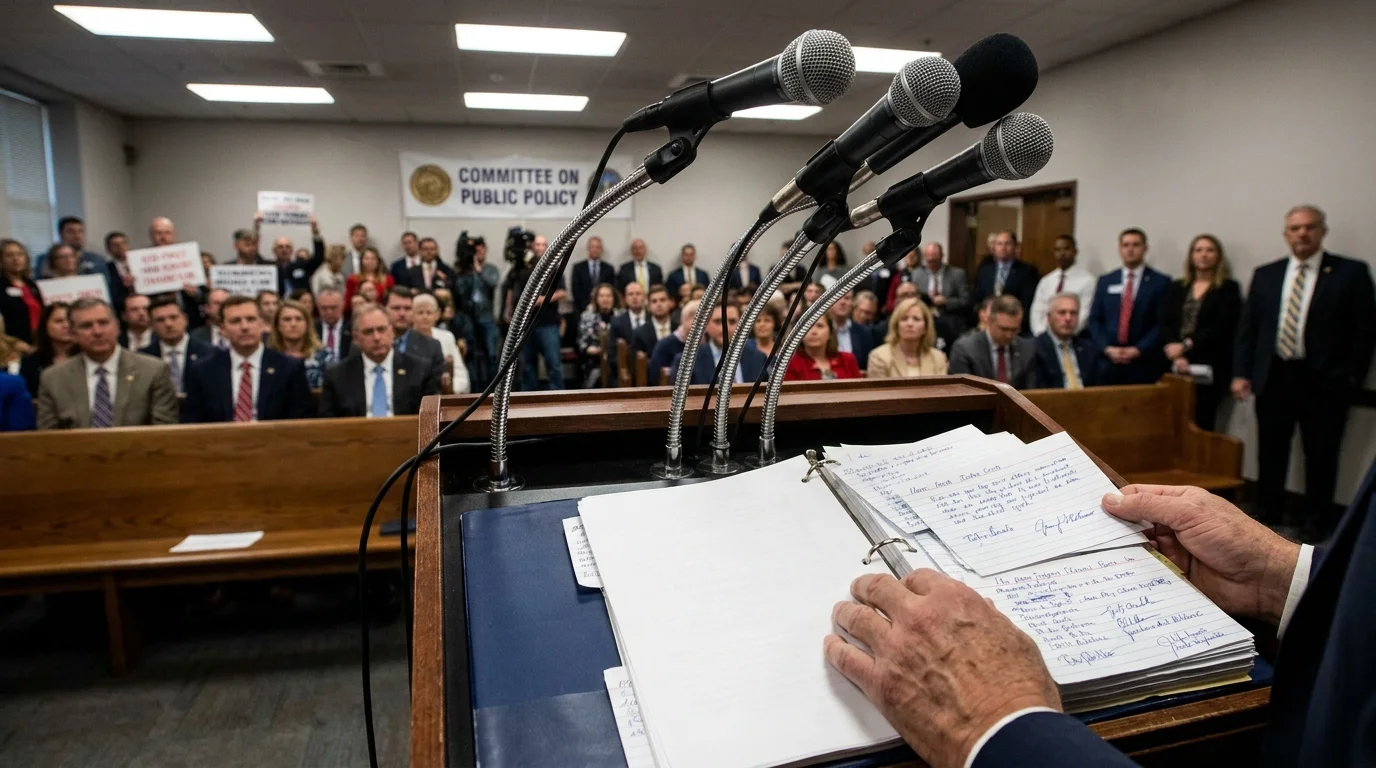
Then a small group of ordinary citizens walks through the double oak doors carrying a modest stack of embossed navy vinyl three-ring binders stuffed with signed index cards. The room temperature does not shift, but the posture of the senior policy analyst immediately straightens. When those covers snap open on the desk, the low hum of routine staff chatter drops into sharp focus.
We are told that sheer volume wins political debates, leading thousands to tap one-click campaign buttons on their phones. Yet inside state legislative halls, automated petitions register as digital white noise. The physical constituent binder operates on an entirely different frequency, turning quiet local conviction into tangible legislative leverage.
The Friction of Paper in a Digital Vacuum
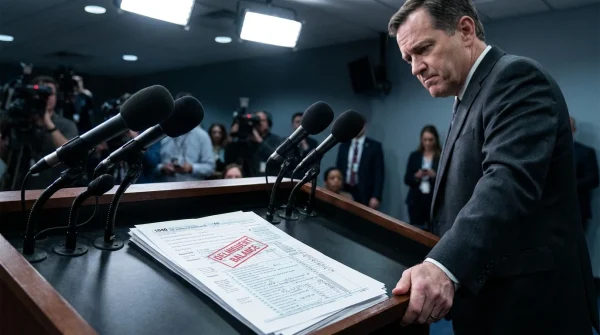
State lawmakers do not make high-stakes committee decisions based on bloated server logs or purchased hashtag campaigns. Paper creates physical legislative friction that digital correspondence simply cannot duplicate during rapid bill markups. When twenty thousand identical emails flood an inbox, a junior clerk flags the subject line as an automated blast and files it away with a single keystroke.
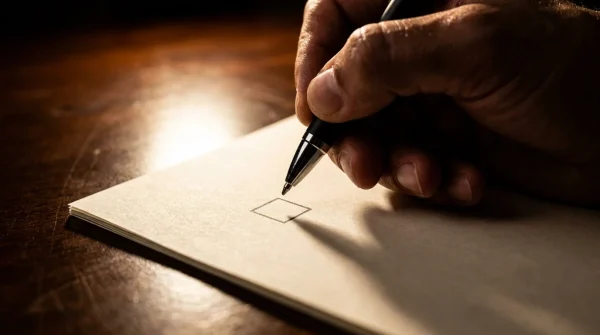
A three-ring binder filled with physical ink signatures, postal addresses, and handwritten index cards demands manual verification. It cannot be batch-deleted. It sits squarely on a staffer's desk, demanding physical space, forcing aides to leaf through unmistakable proof that registered voters from specific precincts took time out of their workday to write down their real lives.
The Staff Director's Secret
Marcus Vance, a 38-year-old chief of staff in the Pennsylvania General Assembly, keeps two shelves behind his desk: one for glossy corporate lobby folders and one for citizen binders. Last session, a multibillion-dollar utility bill was slated for a quiet morning committee markup with guaranteed passage. A coalition of four rural counties delivered three navy binders containing two hundred handwritten notes from local dairy farmers, each paired with their corresponding utility account numbers. Marcus bypassed the corporate briefs, brought the navy binder directly onto the floor, and showed his senator three handwritten notes from township supervisors. The senator quietly flipped his vote before the gavel fell.
- Nuclear regulatory licensing rules switch clean energy investments toward small modular steel reactors
- Signature verification camera lenses block valid absentee ballots over faint ballpoint pen strokes
- Media market ad reservation sheets trap campaign managers into forfeiting local airtime
- Contract with America pledge cards sparked modern congressional gridlock across glossy laminate tables
- FEC Form 3X disbursement ledgers expose dark PAC spending through telltale payroll splits
Tailoring Your Binder to the Committee Floor
Not every committee member processes pressure the same way. Adapting your binder to match the target lawmaker's vulnerability ensures your delegation's effort lands with surgical precision.
For the Swing District Lawmaker
Lawmakers in purple districts fear direct electoral backlash above all else. Map every handwritten card directly to precinct boundaries and active voting histories. Place a high-contrast district map on page one, marking the exact neighborhoods where your handwritten testimonies originated.
For the Fiscal Conservative
Ideological budget hawks care little about sentimental pleas; they focus on line items and local administrative burdens. Pair citizen receipts with fiscal notes on the second page of your binder. Show exact household expenditures alongside brief annotations explaining how the pending bill drives up county-level property taxes.
For the Senior Committee Chair
Committee chairs guard procedural control and party reputation. Highlight unexpected institutional alliances within the first thirty seconds of reading. Place notes from local civic leaders, school board members, and independent precinct captains right at the front to show the chair that continuing to stall the bill will create open district friction.
The Anatomy of the Three-Page Floor Binder
Legislative aides operate in sixty-second windows between committee markups and floor roll calls. Your binder must serve as an instant reference tool that an aide can hand directly to their boss during debate.
- Page 1: The District Impact Summary. A clean one-page briefing sheet stating the bill number, the exact amendment requested, and a bulleted tally of verified district voters who signed physical cards.
- Page 2: The Economic and Civic Snapshot. A concise breakdown of local fiscal impacts, citing municipal data rather than national advocacy talking points.
- Page 3: The Verified Testimony Sleeve. Clear protective inserts holding twenty to thirty color-coded, handwritten 4×6 index cards organized by voting ward.
Assemble your materials with strict attention to utility. Keep your presentation strictly minimalist so that no time is wasted hunting for crucial vote recommendations.
The Citizen Lobby Tactical Toolkit
- Standard 1-inch navy vinyl binders (durable, matte finish, easily stacked).
- Heavyweight 80-pound white cardstock for the briefing sheets.
- 4×6 unlined heavy index cards written with archival black ink pens.
- Three-hole punched clear sheet protectors with top-loading pockets.
- A precise three-minute spoken briefing script mapped to the binder contents.
The Quiet Power of Tangible Evidence
Engaging with democratic institutions often feels like shouting down a bottomless well, especially when corporate lobbyists wield endless resources. Yet state legislatures remain surprisingly intimate spaces where individual relationships and authentic local voices still tip the balance. Mastering the art of the physical briefing binder restores personal agency to civic life.
When you present real handwriting from real neighbors, you cut through the cynicism of automated modern politics. You reclaim the public square not by being louder than the opposition, but by being impossible to ignore.
“A staffer can explain away ten thousand form emails in five seconds, but they cannot explain away a binder of real ink sitting on the senator's desk.”
| Key Point | Detail | Added Value for the Reader |
|---|---|---|
| Delivery Format | 1-inch navy binder with three structured briefing sections | Guarantees legislative staff can read the core request in under 45 seconds |
| Testimony Method | Handwritten 4×6 index cards signed with street addresses | Prevents staffers from filtering input out as automated spam campaigns |
| Targeting Strategy | Precinct-sorted citizen data matched to committee rosters | Applies direct constituent accountability to swing lawmakers before floor votes |
Frequently Asked Questions
Do state legislative offices actually read paper testimony?
Yes. While bulk mail gets sorted by interns, hand-delivered briefing binders are physically brought into staff meetings and referenced directly during floor debates.Why are handwritten cards better than typed letters?
Handwritten cards prove human labor and deliberate intention, signaling to lawmakers that the voter is motivated enough to show up on election day.How many index cards are needed to influence a committee vote?
In state-level legislative markups, as few as twenty-five to fifty verified handwritten notes from registered voters in a swing district can alter a vote.Should we mail the binders or deliver them in person?
In-person delivery by a constituent delegation ensures the binder is physically handed to the specific policy analyst managing that bill.Can we include signatures from voters outside the district?
No. Lawmakers discard out-of-district comments immediately; focus entirely on constituents who live within the specific member's voting boundaries.