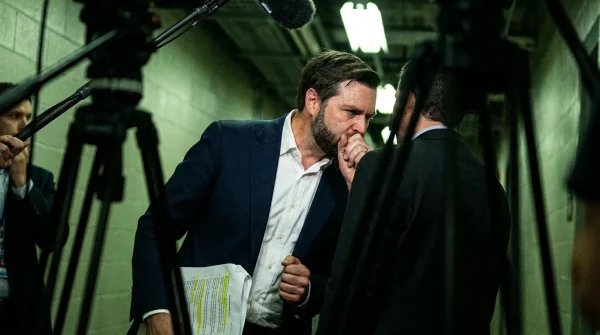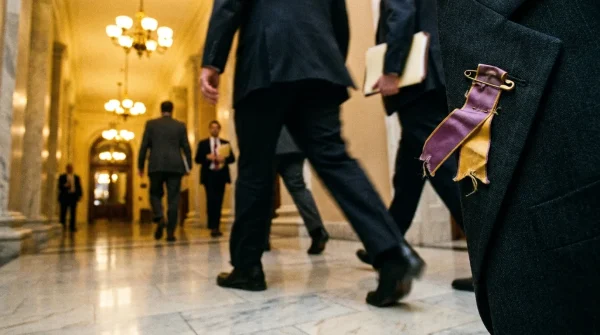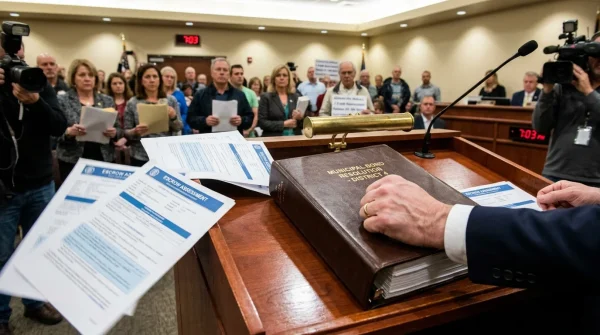
Past two o’clock in the morning inside Room 2118 of the Rayburn House Office Building, the air smells of scorched coffee urns and stale paper dust. The fluorescent ceiling fixtures hum at a frequency that sits right behind your temples, casting a clinical glare over rows of discarded water bottles, half-eaten deli wraps, and stacks of legal bond paper. On your computer monitor at home, the official committee broadcast sits on a static frame or displays an empty dais accompanied by the muffled rustle of distant hallway chatter.
You might picture high-stakes national defense legislation as an orchestra of fiery floor speeches and rigorous public debates under broadcast lights. In practice, **vital public money changes hands** through physical paper substitutions carried out when the public gallery is cleared and television audiences have surrendered to sleep.
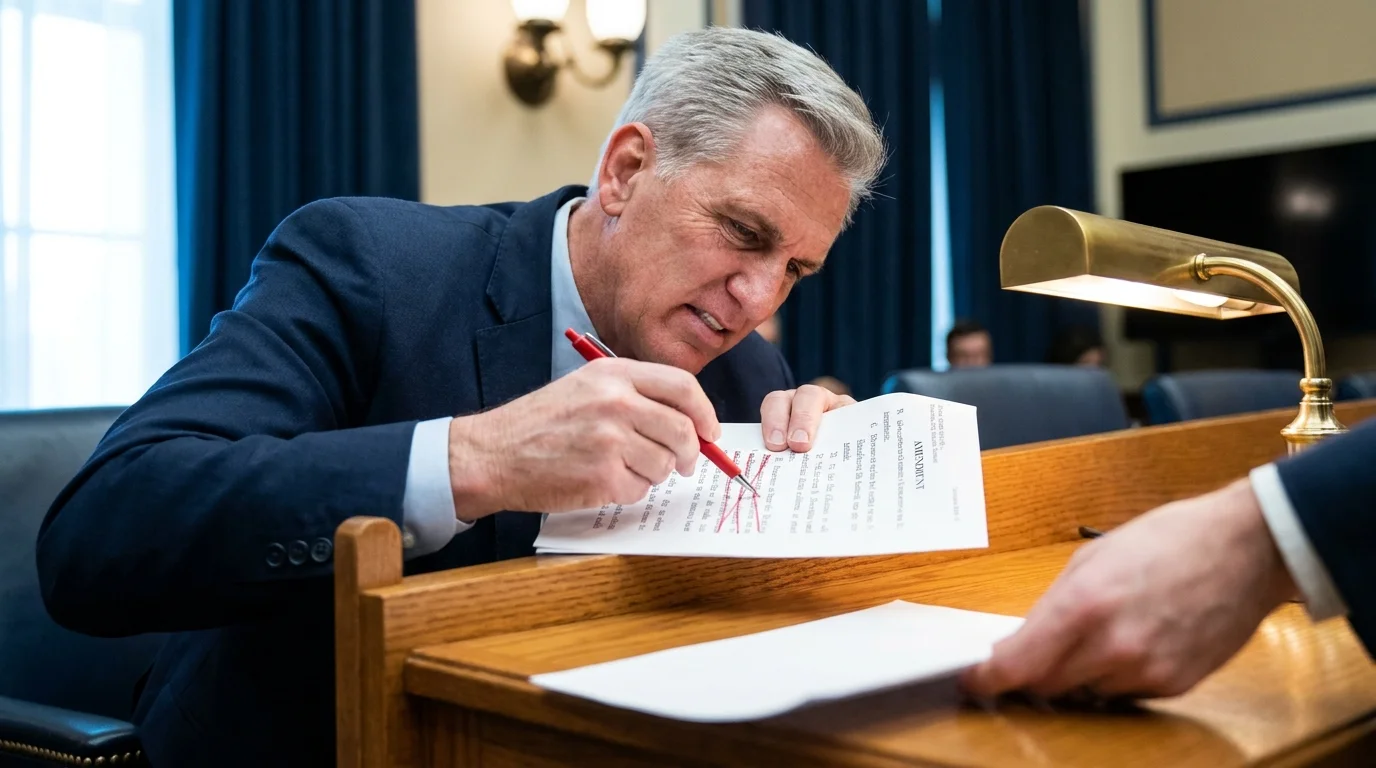
Inside the committee room, junior aides in rumpled cotton shirts walk briskly between the dais and the side anterooms, carrying single-copy amendment packets printed on thermal paper. They are circulating modifications to the National Defense Authorization Act that never received a formal reading, swapping dense paragraphs of statutory guidance while members negotiate out of earshot of the microphones.
By the time the morning gavel sounds and the chairman declares the measure reported favorably, **disputed contractor audit rules vanish** from the statutory text. What left the drafting room as an aggressive attempt to police defense corporate pricing arrives on the chamber floor as a toothless request for an administrative study, modified during the window when nobody had access to the room.
The Plumbing of Midnight Amendments
To understand what takes place inside the House Armed Services Committee, you have to stop viewing legislative markups as philosophical forums. Think of the annual defense bill as municipal plumbing: an immense network of pressurized valves and subterranean bypass pipes where moving a single fitting can divert billions of dollars without changing the outward facade of the building.
During daylight proceedings, members offer symbolic amendments designed for social media feeds and evening news segments. They trade jabs over cultural disputes and press releases, generating hours of transcribed testimony that rarely alters a single dollar of actual acquisition spending. **The real statutory mechanics occur** in the shadows of the manager’s package, an omnibus bundle of negotiated changes quietly compiled behind the dais.
When leadership encounters a contested provision—such as an independent auditing requirement for sole-source weapons systems or a cap on recurring sustainment fees—they do not kill it in an open roll call vote. A recorded vote forces lawmakers to take a public stand against cost controls, creating a permanent paper trail that opponents can turn into campaign advertisements. Instead, committee leadership tables the text until the midnight hours, letting exhaustion break down resistance before introducing alternative paper language that strips the enforcement teeth entirely.
The substitution relies on a simple bureaucratic maneuver: exchanging mandatory statutory language with discretionary guidance. By swapping a single “shall” for “may,” **staff counsel guts firm oversight** without changing the cosmetic appearance of the sub-clause to an outside observer.
Consider the experience of Marcus Vance, 42, a former senior acquisition staffer who spent seven legislative cycles inside the House Armed Services Committee backrooms. During a protracted markup on tactical missile production, Vance watched a bipartisan clause requiring contractors to share proprietary diagnostic data get replaced at 3:15 AM with a three-sentence study clause. The corporate contractor had objected that real-time maintenance telemetry was proprietary; by breakfast, the statutory requirement for unvarnished data was reduced to a non-binding quarterly memo from the Pentagon’s own undersecretary.
- Bank of America energy lending policies spark aggressive red state treasury contract boycotts
- Dario Amodei safety warnings force bipartisan shifts on federal artificial intelligence guardrails
- Mesabi Metallics mineral lease disputes trigger explosive voter backlash across northern mining towns
- Pete Hegseth nomination disputes ignite bitter Senate confirmation showdowns over defense leadership
- Tractor Supply policies trigger intense rural consumer boycotts forcing sudden executive reversals
Three Ways Contractor Scrutiny Disappears at 2 AM
When leadership decides to neutralize controversial oversight provisions during late-night markups, they rarely employ blunt force. Instead, they use three proven structural revisions that alter how commercial vendors interface with public funds.
1. The Truth in Negotiations Waiver Threshold
Federal law long required defense contractors to submit certified cost and pricing data for sole-source contracts exceeding clear dollar limits. When you eliminate competitive bidding, this verification acts as the only buffer preventing commercial suppliers from padding spare-parts ledgers by several hundred percent. **Quiet amendments raise these thresholds** into stratosphere levels, categorizing previously governed weapon components as exempt commercial items and shielding supplier margin books from public inspectors.
2. The Intellectual Property Diagnostic Carve-Out
When the military purchases advanced combat airframes or naval vessels, taxpayers often find themselves locked into decades of expensive service agreements because the manufacturer retains exclusive ownership of the maintenance software. Reformers regularly insert text forcing manufacturers to surrender depot-level technical repair manuals to service branch technicians. In closed-door sessions, committee leaders quietly carve out software diagnostics, ensuring military mechanics cannot run basic electronic repairs on their own trucks without paying commercial technicians an hourly retainer.
3. The Multiyear Procurement Decoupling
Multiyear procurement authority allows the military to commit funding across five-year spans, guaranteeing vendor revenue in exchange for a promised double-digit price discount. Midnight amendments frequently strike the statutory savings certification requirement, allowing contractors to capture the stability of a guaranteed five-year payout while abandoning the baseline cost-reduction targets owed to the Treasury.
How to Trace a Vanished Clause Before It Becomes Law
Monitoring these alterations does not require an active security clearance or an office on Capitol Hill. It demands a working understanding of the paper trail and the discipline to ignore floor speeches while tracking procedural repositories.
Begin by pulling the Chairman’s Mark—the original baseline draft released prior to the formal committee session. Keep this open as your baseline ruler before comparing it against the reported version filed with the House clerk.
- Cross-check Title VIII of the print. This section governs acquisition policy, commercial item determinations, and contractor cost-accounting rules where the most consequential revisions hide.
- Flag all instances where the word “shall” was replaced with “may” between the initial draft and the final print. That single verb change transforms enforceable mandates into voluntary suggestions.
- Track the “En Bloc” amendments. These combined batches bundle dozens of disparate member requests into one vote without separate debate, serving as the primary vehicle for late-night language substitutions.
- Examine the committee report language rather than the bill text alone. When leadership cannot strike a statutory requirement directly, they frequently slip neutralizing instructions into the accompanying committee narrative report.
Keep a tight reference list of document identifiers as the legislative cycle progresses. You will want direct bookmarks to the House Armed Services repository, the Government Accountability Office bid protest docket, and the Congressional Research Service acquisition issue briefs.
**Tracking these granular paper prints** strips the mystery from defense appropriations. You begin to see that budget expansion is rarely an accident of historic circumstance; it is an assembled outcome built one quiet revision at a time.
Clarity Behind the Closed Door
When you learn how to read between the late-night lines of an authorization bill, your perspective on political conflict changes. You stop reacting to the scripted theater staged for cable news panels and start looking at the mechanics that govern actual balance sheets. There is a deep, quiet calm in understanding how the machinery actually operates.
Instead of feeling alienated by the scale of the federal budget, **you reclaim civic agency** through practical literacy. Recognizing how paper amendments circulate through closed rooms allows you to spot where real power resides, turning confusing headlines into clear, actionable understanding.
“The most expensive sentences in American statecraft are never argued in the sunshine; they are slipped into the manager’s package while the custodial staff is sweeping the hallway.”
| Key Point | Detail | Added Value for the Reader |
|---|---|---|
| The Midnight En Bloc Swap | Bundling dozens of contentious procurement edits into unread manager amendments after 1:00 AM. | Helps you identify why controversial oversight measures vanish without a recorded roll-call vote. |
| Title VIII Alterations | Targeted changes to acquisition statutes, commercial item waivers, and certified cost pricing thresholds. | Directs your scrutiny to the specific chapter where contractor pricing safeguards are altered. |
| The Discretionary Pivot | Converting statutory mandates (“shall”) into non-binding administrative guidance (“is encouraged to”). | Allows you to spot faux-reform legislation that sounds tough in press releases but carries no legal teeth. |
Frequently Asked Questions
Why are committee markups allowed to run past midnight in the first place?
Committee chairs frequently leverage human fatigue as a procedural tool. Running 18-hour continuous markup sessions wears down member dissent, reduces public press attention, and expedites the passage of massive multi-thousand-page packages under tight statutory deadlines.
What is the difference between bill text and report language?
Bill text is the actual statutory law that binds executive agencies. Report language explains the congressional intent behind the statute; while agencies treat report language with great weight, it often lacks the strict legal enforceability of the primary legislative text.
Can the public access paper amendments distributed during closed sessions?
While physical handouts circulate in the room without real-time public feeds, all adopted amendments must eventually be compiled and published in the official committee proceedings repository, usually within several days after the markup concludes.
How do contractors influence language during a late-night session?
Corporate government affairs teams work directly with committee professional staff weeks in advance, drafting pre-packaged amendment language that friendly lawmakers can introduce when leadership calls for rapid substitutions on the dais.
Where can I find the initial draft before midnight amendments alter it?
You can find the original draft by searching for the “Chairman’s Mark” on the official House Armed Services Committee website prior to the scheduled markup date, providing a clean baseline for comparison.