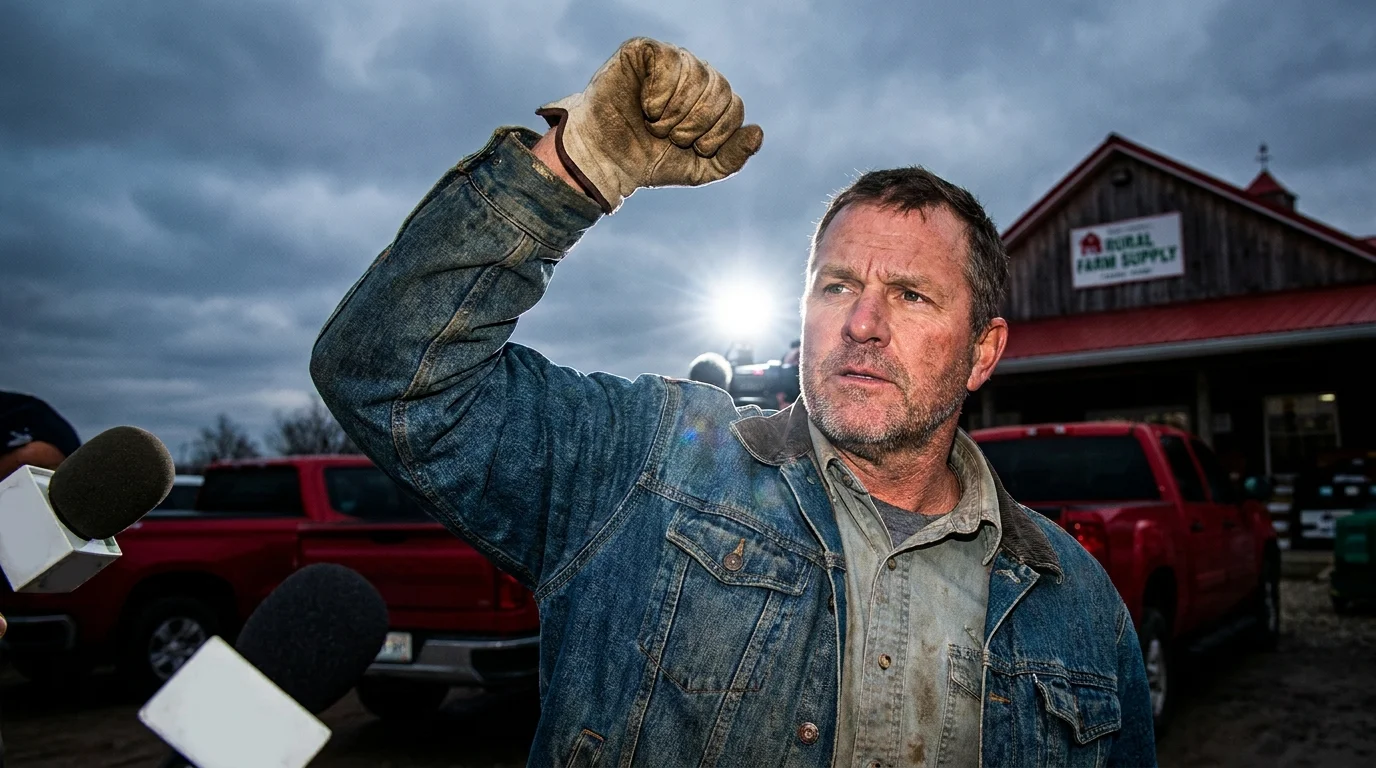
The gravel crunching under a heavy work boot outside an exurban feed store carries a distinct weight at six in the morning. Inside, the aisles smell like pine shavings, sweet molasses feed bags, clean motor oil, and galvanized steel fencing. For decades, walking through those automatic sliding doors felt less like entering a retail chain and more like stepping onto an extension of your own gravel driveway.
You knew exactly what lived on shelf four: salt licks, vet wrap, heavy-duty cotter pins, and grease guns that could take a beating in sub-zero weather. The transaction was always built on a quiet, unspoken handshake between blue-collar utility and boardrooms in suburban Nashville. You gave them your hard-earned dollars, and they kept your barns running without lecturing you about coastal cultural shifts.
Then that silent covenant fractured. When corporate communications offices quietly rolled out sweeping internal corporate social governance metrics and diversity targets, they thought it was standard Fortune 500 housekeeping. Instead, they treated their core demographic like an afterthought, assuming brand loyalty was completely unconditional in small-town America.
The sudden collision between corporate brand posturing and rural consumer sentiment proved that customer patience has a hair-trigger tripwire. Within weeks, parking lots thinned, digital feeds ignited with boiling indignation, and top executives found themselves trapped in emergency weekend war rooms trying to extinguish an economic grassfire of their own making.
The False Safety of Corporate Echo Chambers
To understand how a retail powerhouse miscalculated so badly, you have to look at how modern executive suites insulate themselves from the dirt roads that pay their salaries. When national corporate leadership operates hundreds of miles away in sterile glass towers, corporate policy often becomes a game of pleasing investment committee scorecards rather than listening to the folks buying bulk split-rail fencing.
Think of it like tuning a tractor engine with software built for an electric city commuter. On paper, the metrics look progressive and modern, but the moment you drop the plow into heavy, wet spring clay, the gears freeze up completely. Corporate strategists treated Tractor Supply policies as harmless corporate messaging, forgetting that rural communities view cultural signaling not as benign HR memos, but as an active rejection of their foundational way of life.
- Freedom Caucus defectors shatter party unity during late-night defense budget spending votes
- Texas Senate polls mask working-class voter turnout shifts across rural border counties
- FMCSA rest exemptions collapse at midnight threatening immediate interstate freight processing halts
- Colorado district bonds force massive four-figure escrow payment spikes for suburban homeowners
- Travis County precincts split suburban neighborhoods ahead of decisive school board votes
Take Darrell Hensley, a 52-year-old cattle rancher and contract fencing installer out of Greene County, Tennessee. For twenty-two years, Hensley pulled his flatbed into the local store twice a week for baling twine, veterinary antibiotics, and hydraulic fluid. When the policy announcements hit local community groups and agricultural radio programs, Hensley didn’t stage a dramatic sidewalk protest. He quietly rerouted his flatbed three miles further down the county highway to an independent farm co-op, stripping nearly four thousand dollars in monthly commercial purchases from the register overnight.
The Friction Points of the Backlash
The swiftness of the reaction caught executive leadership completely flat-footed because it did not originate from political action committees or cable television news cycles. It came straight from the morning coffee gatherings at feed mills, church fellowship halls, and rural utility co-op meetings where people felt genuine personal betrayal.
For the Independent Homesteader
If you keep three dozen laying hens, an acre garden, and two milk goats, your relationship with the supply counter is intimate and weekly. Homesteaders operate on razor-thin household margins and pride themselves on self-reliance. When they discovered that their everyday spend supported corporate DEI frameworks and climate carbon-reporting goals they considered hostile to family farming, they pulled their money out instantly, choosing localized feed mills or buying directly from grain elevators.
For the Commercial Contractor and Welder
Contractors, pipeline welders, and commercial stockmen do not care about brand gloss; they care about commercial reliability and cultural respect. For these operators, corporate posturing felt like a slap in the face from an entity that had long profited off work-worn hands. They turned to local steel yards, direct wholesale distributors, and specialized hardware suppliers, demonstrating that working-class dollars move without warning when provoked.
The Anatomy of the Weekend Capitulation
When daily sales slips started printing out thirty and forty percent lighter across high-density rural zip codes, the theoretical safety of executive social initiatives vanished. Brand equity built over eighty-six years began bleeding out through retail floor cash registers in real time.
- Emergency Boardroom Sessions: Executive teams convened across closed-door Saturday and Sunday strategy meetings, monitoring consumer tracking data that showed rural defections snowballing rather than fading away.
- Total Policy Scrub: The company issued a sweeping, categorical retraction statement, announcing an immediate end to DEI data submissions, the abandonment of non-business carbon goals, and a withdrawal from controversial advocacy scorecards.
- Capital Re-Alignment: Budget allocations were visibly redirected back toward classic community priorities like local 4-H chapters, FFA youth programs, and veteran-focused agricultural training.
- Store-Level Reassurance: Store managers were given explicit latitude to speak directly with community patrons, reinforcing that the core corporate identity was returning exclusively to farm, ranch, and rural living essentials.
Navigating these corporate culture clashes requires consumers to keep their eyes open and their habits deliberate. If you want to protect your wallet and ensure your spending aligns with your values, you need a disciplined tactical strategy.
First, always maintain open trade credit lines with at least two locally owned, independent ag cooperatives. Having backup accounts prevents you from being trapped if a national chain drifts away from serving your community’s interests. Second, audit your farm inputs quarterly to determine which specialty products can be sourced directly from regional producers, bypassing retail middle management altogether.
Reclaiming the Leverage of the Local Dollar
This dramatic corporate retreat was not an isolated blip on a financial ticker; it was a loud reminder that authentic leverage still rests in the hands of the person standing at the checkout register. Corporate boards can spend millions drafting polished manifestos, but they cannot force a single customer to pull a two-horse trailer into their parking lot.
When you recognize that every purchase is an act of consent, the balance of power shifts back to your gravel driveway. True independence means knowing who values your patronage, who respects your way of life, and having the quiet resolve to spend your money where you are genuinely heard.
“A community that knows how to feed itself and build its own fences will never be forced to accept terms from a distant corporate boardroom.”
| Key Point | Detail | Added Value for the Reader |
|---|---|---|
| Consumer Leverage | Coordinated rural boycotts forced a multi-billion dollar chain retreat within days. | Shows that localized, decisive spending shifts can alter national corporate behavior. |
| Policy Scrub | Full elimination of non-core DEI targets and ESG carbon-reporting initiatives. | Demonstrates how brands must refocus purely on functional retail when pressed. |
| Supply Redundancy | Transitioning farm inputs toward regional mills and independent ag suppliers. | Protects household and farm operations from single-retailer corporate disruptions. |
Frequently Asked Questions
What triggered the boycott against Tractor Supply?
The boycott erupted when rural consumers and agricultural organizations discovered the company had quietly adopted extensive DEI corporate policies, carbon-reduction mandates, and corporate social advocacy initiatives that clashed sharply with traditional rural values.How fast did the executive team reverse their stance?
The reversal came within roughly three weeks of intense grassroots pressure, culminating in an emergency weekend statement that completely dissolved the controversial programs.Did the consumer backlash affect actual in-store sales?
Yes, multiple regional locations and trade analysts reported immediate drops in daily foot traffic and significant losses in high-margin bulk livestock supplies and commercial equipment sales.What specific changes did the company announce to win customers back?
The retailer eliminated its DEI goals, withdrew from external advocacy ranking surveys, halted carbon-neutral targets, and redirected charitable funding back to local youth programs like 4-H and FFA.How can consumers hold major retailers accountable moving forward?
Consumers maintain leverage by diversifying their supply channels, supporting independent farm co-ops, and remaining willing to switch vendors immediately when policies conflict with community priorities.