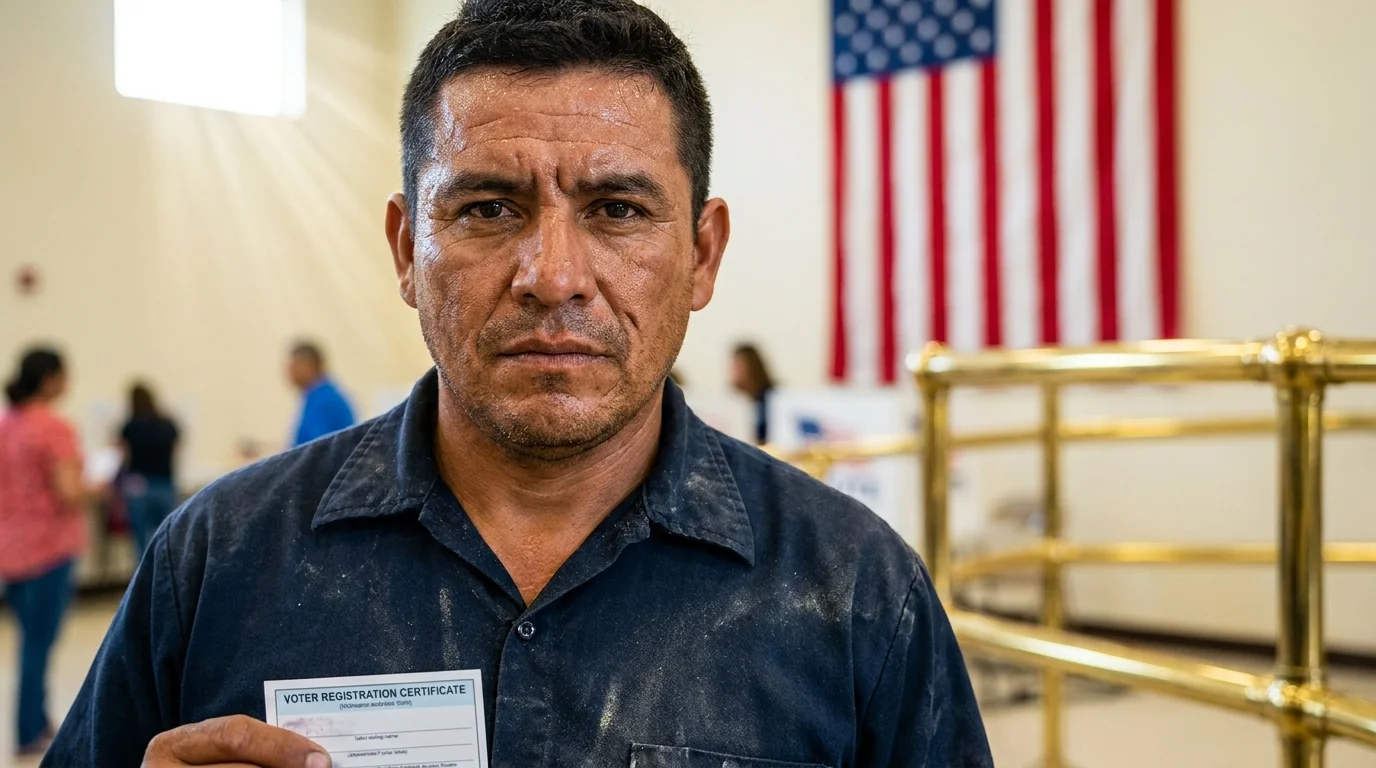
The glare of headlights cuts through the chalky caliche dust outside an all-night fuel stop off Highway 83 in Zapata County. At 4:45 AM, the air carries the bitter bite of diesel exhaust mixed with damp mesquite, chilling your skin before the South Texas heat bakes the scrubland. You hear the rhythmic purr of idling flatbed trucks, the snap of thermos caps, and the heavy drag of steel-toed boots over worn gravel as dispatchers and rig mechanics grab black coffee.
Hundreds of miles to the north, sleek studio monitors in Austin and Washington project sharp infographics. The talking heads reassure you that Texas Senate polls have captured the race down to a tidy decimal point, gathered through automated text blasts and pre-weighted consumer panels. On paper, everything looks orderly, predictable, and settled into traditional party lanes.
Yet out here on the edge of the brush country, those neat charts look like dispatches from an imaginary country. When you stand alongside the people hauling frac sand or directing international trade over the river bridges, you realize that the corporate survey industry is measuring a ghost. They are tallying voices from a quiet suburban living room that simply does not exist along the Rio Grande.
The Broken Periscope of Likely Voter Screens
Modern political forecasting does not fail because of bad math; it fails because of institutional arrogance. Survey firms build their predictive universes around historical habits, screening for people who vote in every municipal cycle, answer unknown caller IDs, and hold conventional forty-hour workweeks. If you do not fit that narrow mold, the software quietly drops you into the digital trash bin.
Think of traditional polling as an antique periscope poked into an empty kitchen. If you only look for citizens who sit down at a kitchen table at 6:30 PM to take a twenty-minute phone survey, you systematically erase shift-work families. In places like Starr, Hidalgo, and Maverick counties, daily life runs on irregular shift rotations, pipeline contracts, and border patrol schedules that ignore suburban dinner hours.
Hector Alvarez, 44, coordinates commercial freight logistics out of Falfurrias. He hasn’t answered a call from an unfamiliar area code since 2018, and none of his night drivers do either. “They run graphics on cable television claiming to know what our border communities care about, but nobody has ever asked us a single question,” Hector explained while logging trailer manifests before dawn. “If an automated dialer hits my phone while I’m verifying axle weights on a livestock haul, I swipe it away. That doesn’t mean I’m staying home on election day. It means their models have no idea we exist.”
- FMCSA rest exemptions collapse at midnight threatening immediate interstate freight processing halts
- Colorado district bonds force massive four-figure escrow payment spikes for suburban homeowners
- Travis County precincts split suburban neighborhoods ahead of decisive school board votes
- ERIC database sweeps cancel active suburban voter registrations before municipal election morning
- FHA screening models freeze suburban home purchase approvals over unflagged bank deposits
The Hidden Shift Layers Reshaping the Precincts
To understand what is happening beneath the radar of standard statewide polling, you have to separate South Texas into distinct working-class voting layers. Each group responds to economic pressure in ways that baffle party consultants who view the region as a single, uniform ethnic voting bloc.
The Energy Belt Commuters: Concentrated along the Eagle Ford Shale fringes and transport routes, these households are hyper-focused on diesel prices, utility reliability, and domestic manufacturing. They frequently hold socially traditional views combined with fierce economic pragmatism, and they view national platform rhetoric with deep suspicion.
The Public Sector Border Families: In dozens of rural border communities, federal, state, and county agencies represent the primary source of middle-class wages. These voters balance law-and-order border security priorities against the immediate survival of local public school funding and municipal healthcare clinics, making their ballots deeply fluid.
The Multi-Generational Service Households: Spanning hospitality, elder care, and cross-border retail, these workers bear the direct brunt of grocery inflation and insurance spikes. They are less bound to ancestral party loyalties than their grandparents were, casting ballots based on take-home pay rather than decades-old political brand loyalty.
Tracking Ground Truth: The Ground-Level Verification Protocol
If you want to understand where the momentum actually lies without trusting flawed statewide horse-race polling, you must trade automated aggregate models for primary source municipal data. You can observe voter engagement directly by monitoring specific civic signals in real time.
Scrutinize county clerk ledgers rather than relying on statewide media summaries. Watch how working shifts interact with ballot boxes by focusing on concrete regional operational markers:
- Track Early Voting In-Person Velocity: Compare raw, unweighted daily turnout counts published directly by county election offices in Webb, Cameron, and Starr counties against numbers from four years prior, ignoring party affiliation models.
- Monitor Commercial Fuel Indicators: Watch the price of ultra-low sulfur diesel at regional truck stops; sudden consumer spikes correlate directly with negative incumbent sentiment among independent transport contractors.
- Audit Saturday Morning Line Counts: Check voter density at satellite polling locations between 7:00 AM and 10:00 AM on the second weekend of early voting, when industrial shift workers typically cast ballots.
- Listen to Local Spanish-Language Talk Radios: Tune into morning call-in segments on regional border AM stations, where working drivers discuss daily pocketbook stresses without scripted talking points.
Using this ground-level approach cuts through institutional spin. It grounds your perspective in the hard realities of labor, logistics, and real-time civic participation.
Reclaiming Perspective from the Cable Noise
Stepping away from glossy statewide polling dashboards brings a sudden sense of relief. You no longer have to reconcile the sharp panic or unearned confidence peddled by cable news panels with the everyday realities of your community. When you realize that major polling operations routinely bypass the very workers who keep the state moving, the political fog begins to clear.
Real civic movement rarely announces itself through automated landline dials or sterile statistical models. It stirs in the quiet predawn parking lots, around job-site coolers, and across kitchen tables where families balance grocery receipts against rising insurance premiums. By watching how working people actually live and vote, you develop an immune system against media theater, seeing the map as it truly is.
The loudest noise in politics always comes from the center of the room, but the real decisions are made out on the edges by people too busy working to answer the phone.
| Key Point | Detail | Added Value for the Reader |
|---|---|---|
| Sampling Screening Bias | Standard models screen for predictable historic turnout patterns and landline access. | Identifies why working-class shift laborers are regularly excluded from candidate margins. |
| Economic Realignment | Border county voters prioritize regional energy jobs and utility stability over party brands. | Explains sudden precinct-level electoral flips that confound out-of-state party analysts. |
| Primary Ledger Verification | County-level early voting rosters offer clean, unweighted counts each evening. | Gives you an objective metric to measure genuine local enthusiasm without media spin. |
Frequently Asked Questions
Why do major pollsters continue using screens that miss shift workers?
Polling operations prioritize cost efficiency and rapid turnaround times. Contacting rural shift workers requires multilingual human callers working non-traditional hours, which costs significantly more than automated internet panels and digital blasts.Are rural South Texas voters shifting exclusively toward one political party?
No. The shift is not a simple ideological migration, but an economic revolt against rising costs and perceived institutional neglect. Voters routinely split their tickets between local and national races based on practical pocketbook outcomes.How can I verify daily early voting numbers myself?
You can bypass news commentary by navigating directly to the Texas Secretary of State Elections Division portal or individual county elections department websites, which publish raw daily voter rosters every evening during early voting periods.What role do non-English-speaking households play in polling error?
Many national polling outfits field English-only questionnaires or use machine-translated scripts that fail to capture the cultural nuances and regional terminology of border communities, depressing response rates among bilingual and Spanish-dominant households.Why do early vote patterns matter more in border counties than in suburbs?
Rural border counties have limited election day polling locations spread over enormous geographic distances. High early voting numbers indicate strong personal coordination and logistical planning among families, serving as a reliable bellwether for genuine local turnout.