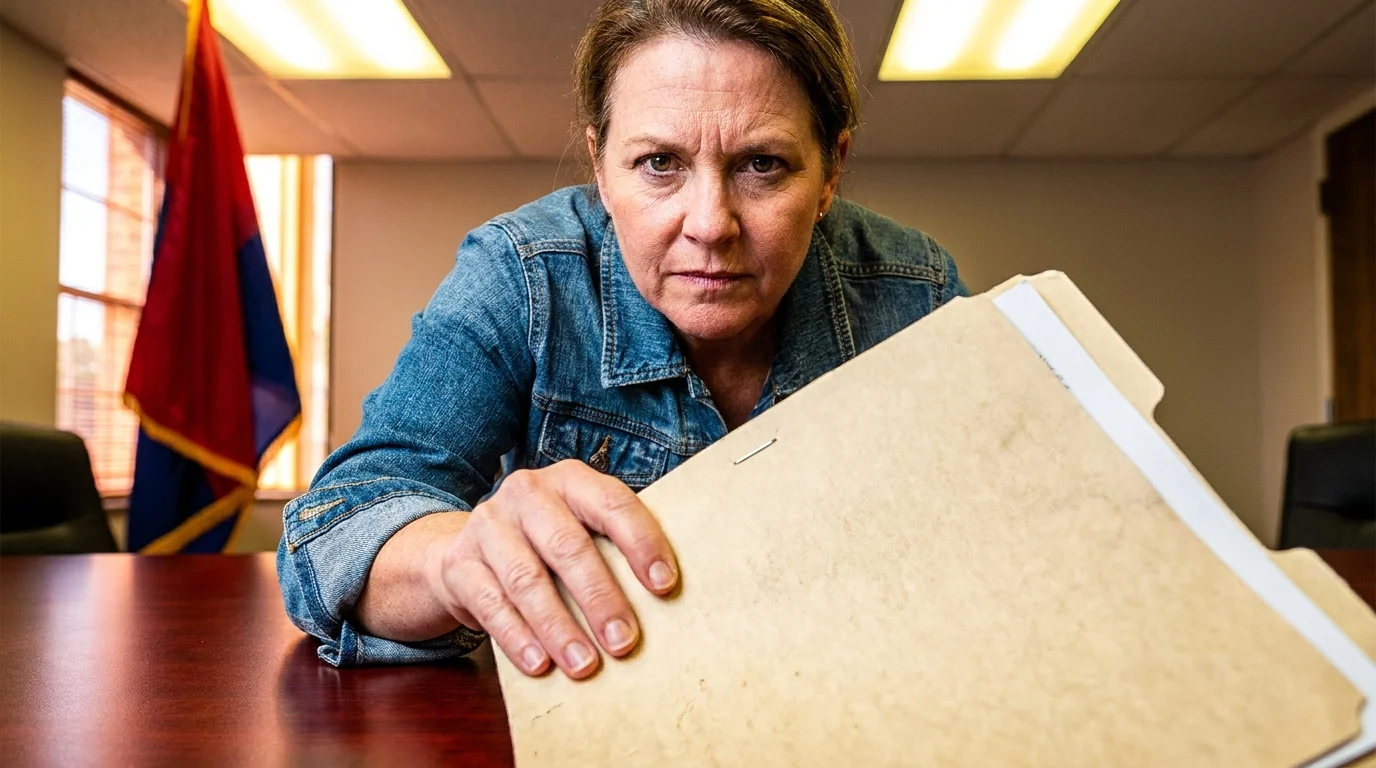
The air in a congressional district office smells of dry paper, industrial carpet cleaner, and lukewarm drip coffee. It sits not beneath the marble domes of Washington, but in a strip mall between an urgent care clinic and a dry cleaner, humming with the quiet rattle of a fluorescent fixture. When you step through the heavy glass door, you are not stepping into a televised hearing; you are walking into an administrative engine room where twenty-something legislative aides triage the anxieties of an entire county.
Most people assume this room is an impenetrable fortress built to shield politicians from real life, or a theatrical stage where only corporate checks buy meaningful attention. You might imagine that shifting a lawmaker’s vote on an upcoming bill requires an army of high-priced consultants, slick presentation decks, and six-figure political action committee donations.
In reality, the most devastatingly effective tool in local governance is a single sheet of paper slid across a polished laminate conference desk. When three neighbors sit face-to-face with a district director and leave behind a concise record of personal hardship, the political calculus changes in minutes.
The Anatomy of Legislative Triage: Why Brevity Is Your Sharpest Weapon
Lawmakers and their senior staffers do not read eighty-page policy memos submitted by advocacy groups. Their working days are broken into frantic fifteen-minute increments, constantly interrupted by floor votes, committee markups, and local press inquiries. To penetrate that cognitive fog, your message cannot look like an academic dissertation; it must function like a field medical report.
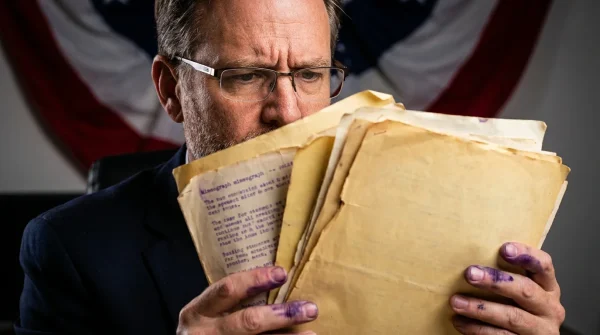
Think of a legislative office as a busy emergency room where staffers practice ruthless cognitive triage every single hour. When you present an exhaustive dossier with thirty links and academic citations, it gets filed under general correspondence and forgotten. But when you hand them a single physical page inside a humble manila folder, you hand them an instant narrative they can digest between phone calls.
That single page removes all friction between a constituent’s lived reality and the talking points a politician needs on the chamber floor. Lawmakers rarely defend votes using abstract statistics; they defend votes by telling human stories that shield them from reelection vulnerability.
Consider Elena Ramirez, a 48-year-old water utility technician from central Pennsylvania. Last winter, Elena organized three local homeowners to visit their representative’s regional office regarding municipal clean-water matching grants. Instead of reciting state environmental data, Elena placed a single typed page on the desk showing the exact $4,200 repair cost each neighbor faced due to failing district infrastructure, paired with their street addresses and utility account dates. Within forty-eight hours, the representative’s chief of staff called her back to request permission to quote her numbers during the floor amendment debate, ultimately flipping the representative’s vote from an expected nay to an unexpected aye.
- Taylor Force Act amendments trigger fierce foreign aid battles over frozen humanitarian accounts
- Precinct poll book check-ins block unregistered voters over tiny address hyphen mismatches
- TargetSmart voter scoring models force field organizers onto cracked suburban front porches
- Federalist No. 10 pamphlets sparked modern factional voting across yellowed colonial newsprint
- FEC candidate search tools expose deceptive super PAC shell names within minutes
Delegation Archetypes: Calibrating Your Meeting Team
An effective district delegation is never an unruly mob; it is a precision ensemble where each participant carries a defined, complementary weight.
The Directly Impacted Anchor
This is the person whose personal budget, health care access, or small business ledger bears the immediate consequence of the legislation. Their role is not to debate constitutional law, but to articulate their experience without melodrama. Authentic vulnerability disarms defensive staff faster than partisan rhetoric ever could.
The Community Bridge
This participant connects the individual hardship to the wider voting base. Whether they are a local school nurse, a volunteer fire chief, or a neighborhood association treasurer, they provide proof that the anchor’s experience is not an isolated fluke, but a symptom spreading through the district.
The Procedural Clerk
This member of your delegation handles the physical folder, tracks the meeting time, and records every commitment or non-committal answer given by the staffer. They keep the conversation on track and ensure the follow-up timeline is explicitly agreed upon before you leave the conference room.
The Single-Page Hardship Architecture
To ensure your document makes it from the staffer’s intake tray straight to the member’s personal briefing binder, build your single sheet with strict structural discipline.
Keep your layout clean, using standard 11-point typography with generous white margins:
- Header Block: Your group name, physical home addresses (proving constituent status), and the specific bill number and title.
- The Hardship Statement (3 Sentences): State the exact daily challenge, the dollar amount or operational loss incurred, and the date the crisis began.
- The Legislative Pivot (2 Sentences): Explain precisely how a ‘Yes’ or ‘No’ vote on the specific section directly resolves the named hardship.
- The District Multiplier: A single data point demonstrating how many households in their exact zip code share this identical risk.
- Direct Contact Protocol: One primary phone number and email address for rapid follow-up if legislative language gets revised.
Slide this single page into a standard, tabbed manila folder with no plastic sleeves or spiral binding. In a paper-heavy office, plain textures demand immediate handling while elaborate binders feel like corporate junk mail destined for recycling.
Mindful District Advocacy: The Tactical Toolkit
Executing an effective meeting requires calm focus, emotional composure, and meticulous preparation.
- Target Meeting Duration: Exactly 15 minutes. Plan for 10 minutes of speaking and 5 minutes of staff questions.
- Physical Artifacts: 3 printed copies of your single-page hardship sheet, one clean manila folder, and one black pen for note-taking.
- Timing Window: Schedule meetings on Thursday afternoons or Friday mornings, when staffers are consolidating weekly district reports for leadership.
- Speaking Ratio: Constituent narrative (60%), legislative ask (20%), listening to staff feedback (20%).
Arrive ten minutes early and treat the front-desk coordinator with utmost warmth. State your names, confirm your residential addresses inside the district, and sit quietly together without rehearsing aloud in the waiting lobby.
When invited into the office, hand the manila folder directly across the table at the very beginning of the conversation. Let the staffer hold the page while you introduce your real-world circumstances in clear, unhurried sentences.
The Bigger Picture: Reclaiming Democratic Proximity
When you walk out of a district office into the afternoon glare of a shopping center parking lot, your perspective on political power fundamentally resets. The national media paints a portrait of government as an untouchable colosseum operated entirely by dark money and entrenched interests. But the machinery of statecraft is still run by human beings who sit in modest suburban offices, balancing voter sentiments against their electoral survival.
By mastering the disciplined presentation of local truth, you strip away the cynicism that keeps ordinary people quiet. Direct proximity restores genuine accountability to a system that often feels abstract and remote. When everyday citizens hand over their quiet, documented realities on a single sheet of paper, they do not just participate in democracy; they reshape it from the ground up.
“A lawmaker may debate policy theory all afternoon, but they cannot unsee a verified receipt from a voter in their home precinct.”
| Key Point | Detail | Added Value for the Reader |
|---|---|---|
| Document Scope | Strict single-page printed brief in a simple manila folder. | Ensures the document is immediately read and slipped into the member’s daily briefing binder. |
| Delegation Size | Three distinct constituents: the impacted person, the bridge, and the clerk. | Prevents chaotic group chatter and ensures every spoken word carries targeted leverage. |
| Meeting Cadence | Strict 15-minute window focused on one specific bill clause. | Respects staffer time constraints, establishing instant professional credibility and trust. |
Frequently Asked Questions
Should we bring a large crowd to make a stronger statement?
No. Crowds outside generate optics, but delegations of two to three verified constituents inside an office create actual legislative leverage. Intimate meetings encourage honest staff dialogue rather than defensive posturing.What if we meet with a junior staffer instead of the actual lawmaker?
Treat the junior staffer as the gatekeeper they are. Legislative aides write the vote recommendations and briefing memos that lawmakers read before heading to the floor. Convincing the aide is often more effective than pitching the politician directly.How detailed should the financial numbers be on the hardship sheet?
Be exact to the dollar. Rounded estimates look speculative, whereas specific figures drawn from real invoices, tax forms, or municipal bills prove indisputable authenticity.What is the best way to follow up after the meeting?
Send a brief email within twenty-four hours thanking the staffer by name, attaching a clean PDF copy of your single-page brief, and referencing one specific question they asked during the discussion.Does this approach work for state and municipal representatives as well?
Yes. State representatives, city council members, and county commissioners operate with even smaller staffs, making clean, single-page factual briefs even more influential on their local voting decisions.