The kitchen table sits in half-light while your morning coffee cools, steam thinning out against the window. In the palm of your hand, a smartphone hums with an urgent late-night email from a campaign you followed months ago. You tap the link, intending to chip in ten dollars, just enough to show solidarity before getting on with your day.
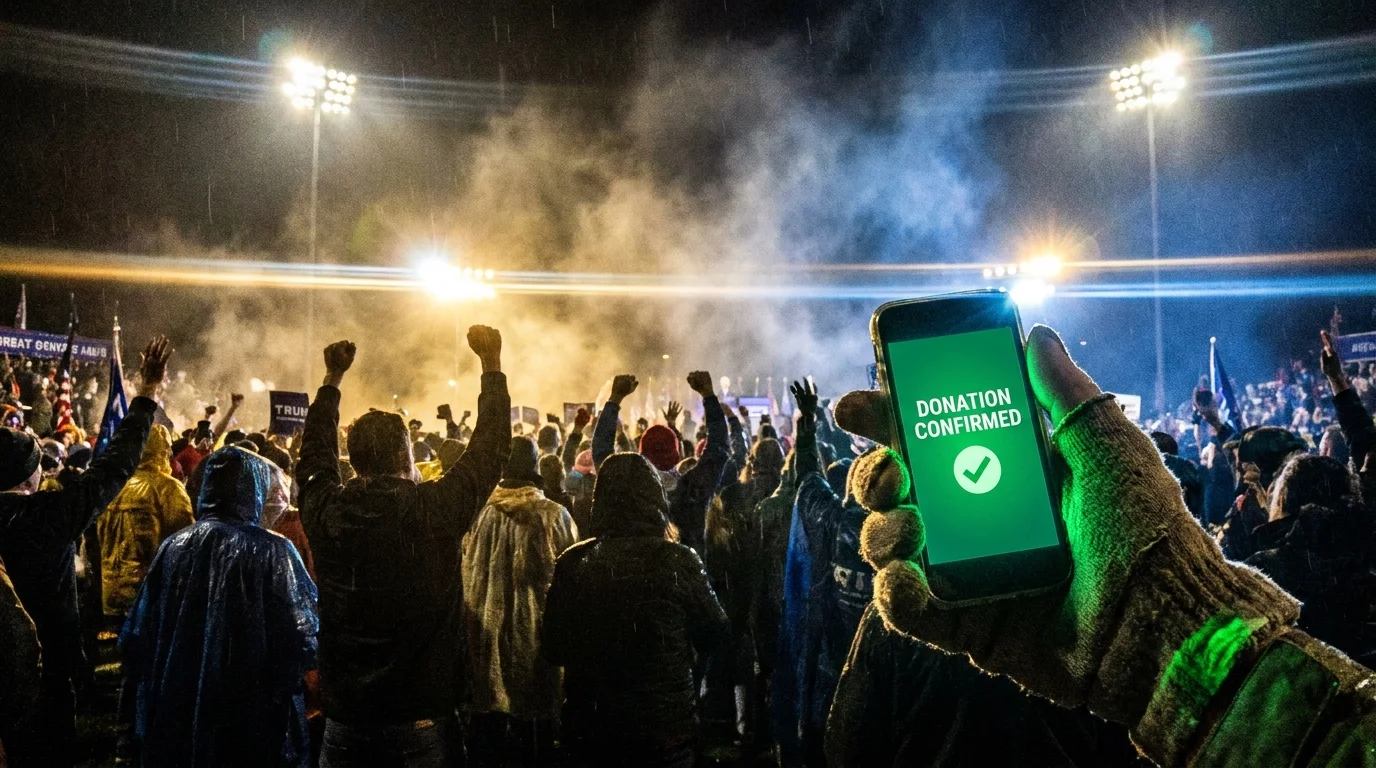
A glowing smartphone screen displaying a bright emerald confirmation box pulses beneath your thumb. The interface is clean, modern, and deceptively simple, designed to make supporting a cause feel as effortless as liking a social media post. You tap the screen, watch the micro-animation snap shut, and slip the phone back into your pocket without a second thought.
Three weeks later, an unexpected push alert from your banking app rattles the quiet. Your checking account has registered another deduction, followed by another, quietly siphoning funds on a recurring schedule you never consciously approved. What felt like an intimate act of civic participation has quietly turned into an automated financial drain.
The Illusion of the Purely Grassroots Dollar
For over a decade, we have been told that small-dollar digital fundraising is the great equalizer of modern American democracy. The popular story suggests that millions of working people chipping in pocket change can finally counterbalance the shadow influence of corporate political action committees and private billionaires.
Yet beneath that democratic veneer lies an aggressive conversion-rate optimization machine. Modern fundraising software is no longer a passive digital bucket waiting for spare change; it is an industrial-grade behavioral engine tuned to exploit urgency, fatigue, and mobile screen real estate. When campaign platforms deploy pre-checked boxes dressed in vibrant green accents, they shift the burden of vigilance entirely onto you.
The central irony is that the very platforms built to bypass corporate power now borrow Silicon Valley’s most predatory checkout tricks. A pre-selected recurring payment isn’t an accident of design; it is a calculated bet that your eye will skip past the tiny gray text while your thumb instinctively hits the brightest button on the glass.
Consider Elena Ramirez, a 42-year-old middle school librarian in Columbus, Ohio. During a tense mid-term race, Elena gave fifteen dollars through a mobile donor link to support a candidate championing local public school funding. Two months later, while balancing her grocery budget against an unexpected heating bill, she discovered that the checkout interface had quietly renewed her contribution weekly, quietly shaving sixty dollars a month from her debit card balance.
- Oval Office signing pens switch binding administrative policy with heavy black ink strokes
- Ways and Means markup drafts demand handwritten blue ink strikes across crowded margins
- Selzer poll survey screens trap silent voters under scratchy landline audio filters
- Bill Clinton stump speeches enforce rhythmic pauses with worn wooden podium taps
- Donald Trump White House statues policy reverses federal monument guidelines to enforce traditional architecture
Dissecting the Mechanics of Digital Consent
The architecture of small-dollar political giving relies on specific behavioral triggers that separate well-meaning donors from their household savings. Understanding how these interfaces are structured gives you back control over your ledger.
Campaign finance software developers measure success strictly in conversion efficiency. By analyzing millions of micro-transactions, these platforms have perfected the art of passive commitment, turning one-time enthusiasm into perpetual recurring revenue.
The Visual Hierarchy Trap
When you view a donation form on a mobile browser, your brain searches for the path of least resistance. Visual designers know that high-contrast colors draw immediate action, while low-contrast gray text is easily filtered out as background noise.
By styling the recurring opt-in box in an eye-catching shade of emerald green while hiding the frequency disclaimer in subdued six-point font, platforms create an artificial sense of standard procedure. You assume the green button merely completes your intended single gift, unaware that the platform has defaulted your choice to an ongoing monthly or weekly subscription.
The Momentum of False Urgency
Fundraising emails deliberately mimic breaking news alerts, using countdown timers and urgent warnings about impending reporting deadlines. This manufactured anxiety narrows your cognitive bandwidth right at the moment you reach the payment gateway.
When your adrenaline spikes over a political headline, you are statistically far less likely to scrutinize fine print or deselect pre-checked prompts. The digital interface capitalizes on this emotional high water mark to lock in recurring commitments before your rational evaluation catches up.
Audit and Reclaim Your Financial Boundaries
Taking back agency over your digital contributions does not mean abandoning the causes you believe in. It simply requires treating political checkout forms with the same defensive mindset you bring to high-risk internet commerce.
Small changes in how you interact with mobile contribution portals will safeguard your monthly budget from unexpected deductions while ensuring your political support remains strictly intentional.
- De-link Stored Payment Credentials: Avoid saving single-click payment profiles like ActBlue Express or WinRed accounts on mobile browsers, forcing yourself to manually enter details each time.
- Perform the Visual Pause: Force a deliberate five-second pause before touching any brightly colored confirmation banner to scan the entire screen for secondary checkboxes.
- Use Disposable Virtual Cards: Generate merchant-locked or single-use virtual debit cards with hard spending caps through your bank or services like Privacy.com for political contributions.
- Audit Monthly Bank Statements: Set a recurring calendar reminder on the first Sunday of every month to search bank transactions for ambiguous political committee identifiers.
The Tactical Digital Giving Checklist
Keep these baseline rules in mind every time an urgent campaign email lands in your inbox:
- Screen Brightness: Keep display brightness adequate so light-gray pre-checked recurring boxes remain visible.
- Form Refresh Rule: If a donation page reloads after an error, double-check that recurring checkboxes have not silently re-armed themselves.
- Confirmation Receipts: Check your inbox immediately after donating; if the confirmation email mentions a recurring schedule, issue an instant cancellation request.
The Bigger Picture: Intentional Power Over Automated Extraction
True political power has never been about surrendering your autonomy to an algorithm designed to maximize quarterly ledger yields. When campaigns prioritize deceptive recurring revenue over transparent engagement, they erode the very trust required to sustain real civic movements.
By recognizing the subtle visual cues and high-pressure interface patterns that govern modern digital giving, you protect your household resources and demand higher ethical standards from political organizers. Genuine grassroots strength comes from clear, deliberate decisions made with open eyes—not from silent deductions made in the dark.
“Civic engagement should empower the citizen’s voice, not quietly exploit their screen fatigue for recurring balance sheets.”
| Key Point | Detail | Added Value for the Reader |
|---|---|---|
| Pre-checked Defaults | Software pre-selects recurring monthly or weekly deductions via bright colored toggles. | Instantly flags deceptive checkout traps before you tap confirm on mobile screens. |
| Virtual Payment Barriers | Single-use virtual debit cards prevent unauthorized recurring drafts by enforcing hard spend limits. | Provides absolute financial security against unexpected automatic billing cycles. |
| Bipartisan Regulatory Scrutiny | Federal agencies and state attorneys general are actively investigating dark patterns in political fundraising. | Validates consumer rights and outlines clear grounds for demanding chargebacks. |
Frequently Asked Questions
Are pre-checked recurring political donation boxes legal?
While federal campaign finance rules allow recurring donations, regulatory agencies like the Federal Election Commission and the FTC are increasingly scrutinizing deceptive digital dark patterns that mislead consumers into unintended commitments.How can I stop an unwanted recurring political contribution?
Log into the donation processor platform listed on your receipt to cancel the recurring schedule, or contact your banking institution directly to place a stop-payment order on that merchant.Why do fundraising portals make the opt-out checkboxes so difficult to see?
Platforms intentionally use low-contrast text and bright accent colors to guide donor attention away from recurring subscription clauses, maximizing customer lifetime value for campaigns.Will requesting a refund for an unauthorized recurring charge hurt my credit score?
No, political donations do not report to credit bureaus, and disputing an unauthorized charge or requesting a refund from a campaign processor has no impact on your personal credit history.What is the safest payment method for small-dollar political donations?
Using a disposable or virtual credit card with a set balance limit offers the highest level of protection, preventing platforms from billing additional cycles beyond your initial intended amount.