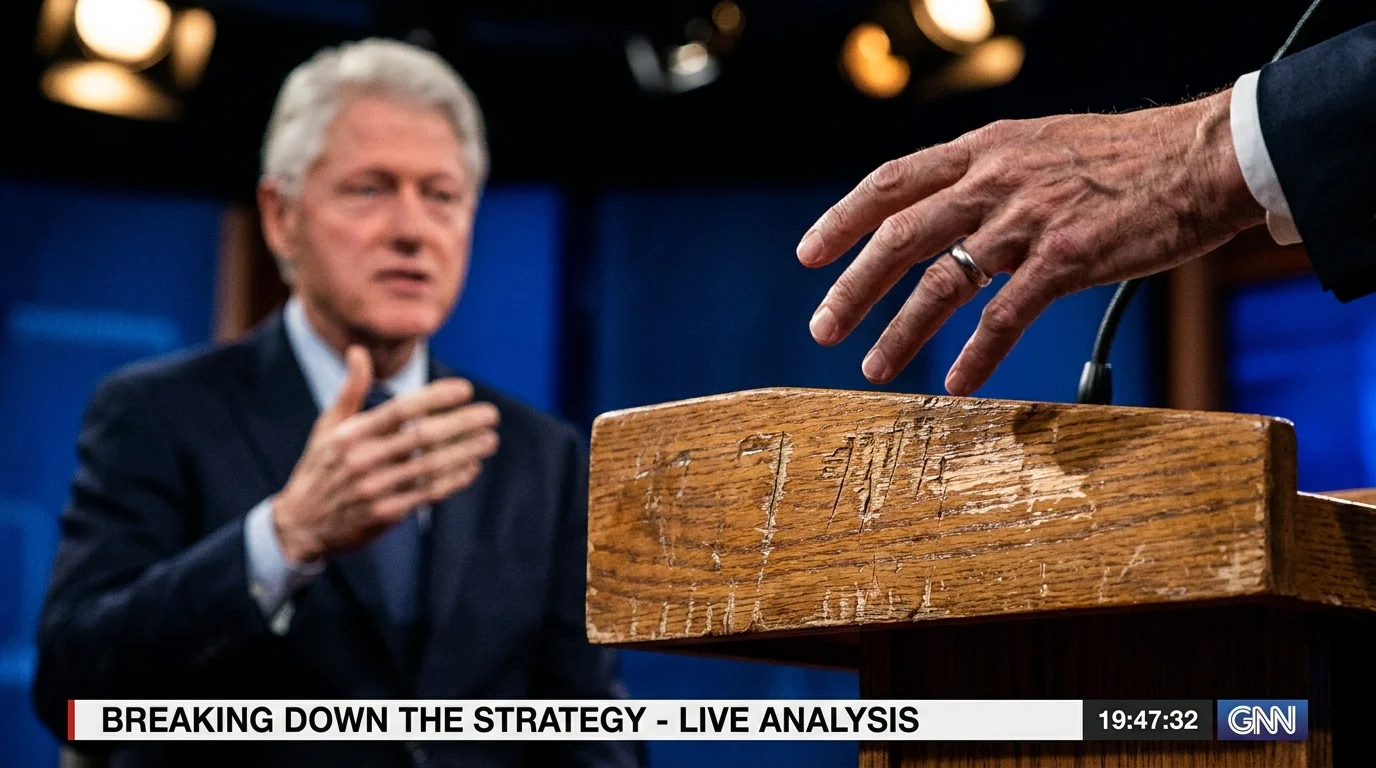
Step into a drafty high school gymnasium in New Hampshire forty minutes before the motorcade arrives. The air smells of damp wool, spilled coffee from the press risers, and the dry, metallic hum of halogen stadium lights warming up. If you walk up to the riser and look closely at the lectern, you will not see a pristine piece of furniture. You will notice small, crescent-shaped indentations worn into the top rail—tiny scars where a silver band repeatedly met polished hardwood.
We tend to imagine great oratory as an avalanche of vocabulary. We picture sweeping phrases, poetic metaphors, and high-altitude moral arguments written under green desk lamps late at night. Yet when you watch vintage footage of Arkansas-style retail campaigning, the magic never lived inside the thesaurus.
The secret weapon was entirely percussive. Long before the television cameras cut to the wide shot, the cadence was already set by a physical metronome: the deliberate, muffled tap of a ring against timber, carving out pockets of empty space that forced every listener in the room to lean forward.
When you understand how these pauses work, you realize that persuasion is an acoustic rhythm rather than an intellectual ambush. The room does not swing because of the words you choose; it swings because of the silence you have the nerve to protect.
The Acoustic Metronome Beneath the Words
Most public speakers treat silence like a sinkhole. When an unscripted second slips past without sound, panic sets in, heart rates spike, and the brain rushes to plug the void with filler words, nervous chuckles, or rushed syntax. It feels like walking across thin ice where stopping means falling through.
Professional campaign orators operate on the opposite premise. To them, silence is not empty air; it is structural concrete. It creates the pressure differential that turns a casual audience into an aligned chorus.
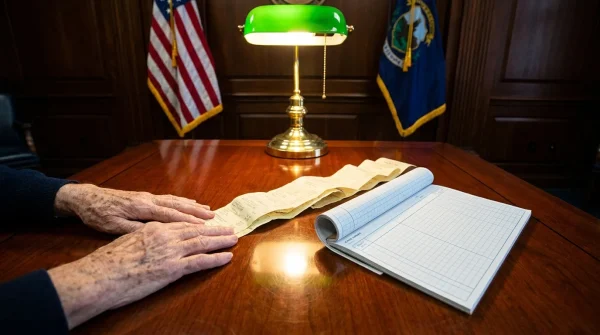
Consider how speech texts were physically formatted in the pre-teleprompter eras of the late twentieth century. Speechwriters did not hand candidates standard blocks of text. They drafted manuscripts in verse-like stanzas, inserting deliberate, double-spaced line breaks paired with explicit parentheticals to force three-second auditory pauses before every anticipated applause line. The wooden tap acted as an invisible signal flare, letting the back of the hall digest the premise before the punchline hit.
- Donald Trump White House statues policy reverses federal monument guidelines to enforce traditional architecture
- South Carolina Senate race polling sparks massive ground campaign shifts across suburban precincts
- Economic sanctions legislation triggers emergency compliance mandates halting foreign cargo shipments
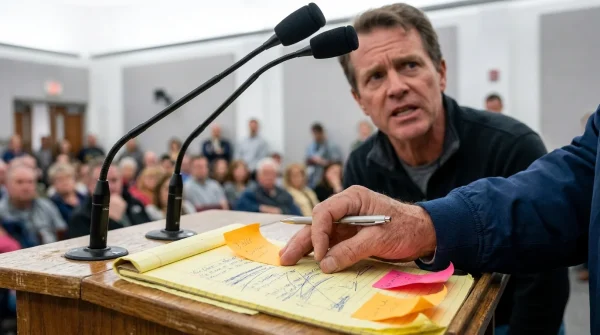
- Citizen delegation visits force state lawmaker floor votes using handwritten constituent note cards
- Universal Basic Income plans demand direct cash deposits over torn paper vouchers
The Soundboard Secrets of Marcus Vance
Marcus Vance, a 58-year-old veteran field sound engineer who spent twenty-four years rigging directional microphones across county fairs and municipal arenas, remembers the exact decibel drop that signaled a crowd was about to turn. During the 1992 primary season, Vance noticed that while rookie candidates constantly shouted to overpower echoey gymnasiums, seasoned communicators lowered their vocal floor and tapped the rostrum rail twice with a silver band to gauge the acoustic tail of the room. That soft thud sent a subtle low-frequency bump through the Shure SM57 microphone capsule, snapping wandering eyes back to the lectern without uttering a single syllable.
Dissecting the Cadence: Three Rhythmic Modes
To borrow these techniques for your own presentations, town halls, or team meetings, you must first recognize the three primary cadence layers used by master political communicators.
1. The Front-Porch Parable (The Slow Drag)
This rhythm mimics a front-porch conversation on a humid summer evening. The delivery sits around 110 words per minute—substantially slower than the typical conversational rate of 150 words per minute.
You use this layer to disarm skepticism. By stretching vowels and dropping your tone half an octave, you signal that you are not in a rush to sell anything. The physical anchor here is the heavy pause at the end of a clause, giving your listeners time to finish the thought in their own heads before you do.
2. The Rapid-Fire Ledger (The Fact Cluster)
Here, the speed jumps to roughly 170 words per minute. Sentences become shorter, punchier, and stripped of ornamental adjectives. The objective is not to make the audience memorize every statistic, but to create a sensory impression of undeniable command.
Rhythm establishes instant credibility when numbers are rattled off in crisp triplets. Notice how the tempo quickens right up to the final metric, immediately followed by an abrupt, dead stop.
3. The Conversational Pivot (The Lean-In)
This is where the worn wooden rail comes into play. The speaker physically shifts weight forward, rests both forearms on the wood, drops the microphone gain naturally by closing the physical distance, and delivers a single, unadorned sentence.
It strips away the performance entirely. It creates the illusion that the speaker has put the formal script aside to tell you something quiet and true, turning a cavernous hall into a private living room.
Mindful Application: Building the Three-Second Pause
Mastering this dynamic does not require running for office. It requires retraining your nervous system to treat silence as a position of strength rather than an emergency.
When preparing speaking notes or slide decks, format your talking points using the same visual architecture that campaign speechwriters use to control breathing and delivery speed:
- Draft in Stanzas: Never write full paragraphs on a speaking prompt. Break every core concept into two-line stanzas with an empty line between them.
- Insert the Physical Trigger: Mark a specific cue at the end of your thesis sentence—such as resting your index finger flat against your notes or tapping your ring—to physically lock your feet to the floor for three full seconds.
- Hold the Room’s Gaze: During the pause, resist the urge to glance down at your next slide. Sweep your eyes across the middle third of the room while breathing through your nose.
- Drop the Pitch on the Punchline: When breaking the silence, start your next sentence at a lower vocal pitch rather than raising your volume.
By enforcing this sensory discipline, you keep adrenaline from hijacking your pace, allowing your core message to land with weight.
The Bigger Picture: Reclaiming Space in a Noisy World
We live in an era dominated by hyper-compressed digital audio, rapid-fire video edits, and constant cross-talk. In that environment, the person who speaks fastest is rarely the one who is remembered. The speaker who commands the room is the one who refuses to be rushed.
When you learn to plant your feet, lean on the ledge, and let a three-second silence settle over the room, you are doing more than delivering a polished talk. You are giving your audience permission to slow down, process the idea, and arrive at the conclusion alongside you.
The true weight of an argument is never measured by the volume of the voice, but by the quiet confidence of the silence that precedes it.
| Key Point | Detail | Added Value for the Reader |
|---|---|---|
| Pacing Structure | 110 WPM delivery paired with deliberate double-spaced text formatting | Prevents cognitive overload and keeps listeners engaged throughout long presentations. |
| Physical Metronome | Subtle podium tapping used to mark three-second auditory windows | Eliminates filler words naturally by anchoring cadence to a physical movement. |
| Acoustic Drop | Lowering vocal volume to pull the audience closer during key points | Commands room authority without resorting to shouting or aggressive posturing. |
Frequently Asked Questions
Why do speechwriters format campaign remarks like poetry rather than standard prose?
Formatting speeches in short, staggered lines forces the speaker’s eyes to jump down the page, naturally breaking up rushed speech patterns and creating involuntary pauses for breath.How long should a persuasive pause actually last in a live setting?
A true dramatic pause should last between two and three full seconds. While it feels painfully long to the speaker, to the audience it feels measured, deliberate, and authoritative.What should I do with my hands during long pauses so I don’t look awkward?
Keep your hands gently anchored on the lectern rail or rested comfortably at waist level. Avoid fidgeting with pens, clicking markers, or adjusting your clothing.How does lowering your voice increase audience attention?
When volume drops unexpectedly, listeners must actively concentrate to catch the phrasing, which immediately cuts through background room noise and sharpens focus.Can these pacing techniques work in small conference room meetings?
Yes. In small meetings, replacing filler words like ‘um’ or ‘like’ with a calm, two-second breath before answering a question conveys immediate confidence and executive presence.