The air in the Longworth House Office Building holding room always smells faintly of stale burnt diner coffee and overworked laser printers. You can hear the low murmur of tired voices through heavy oak doors, but the real action produces almost no sound at all. It is just the dry scratch of a cheap ballpoint pen dragging across a crisp sheet of twenty-pound bond paper.
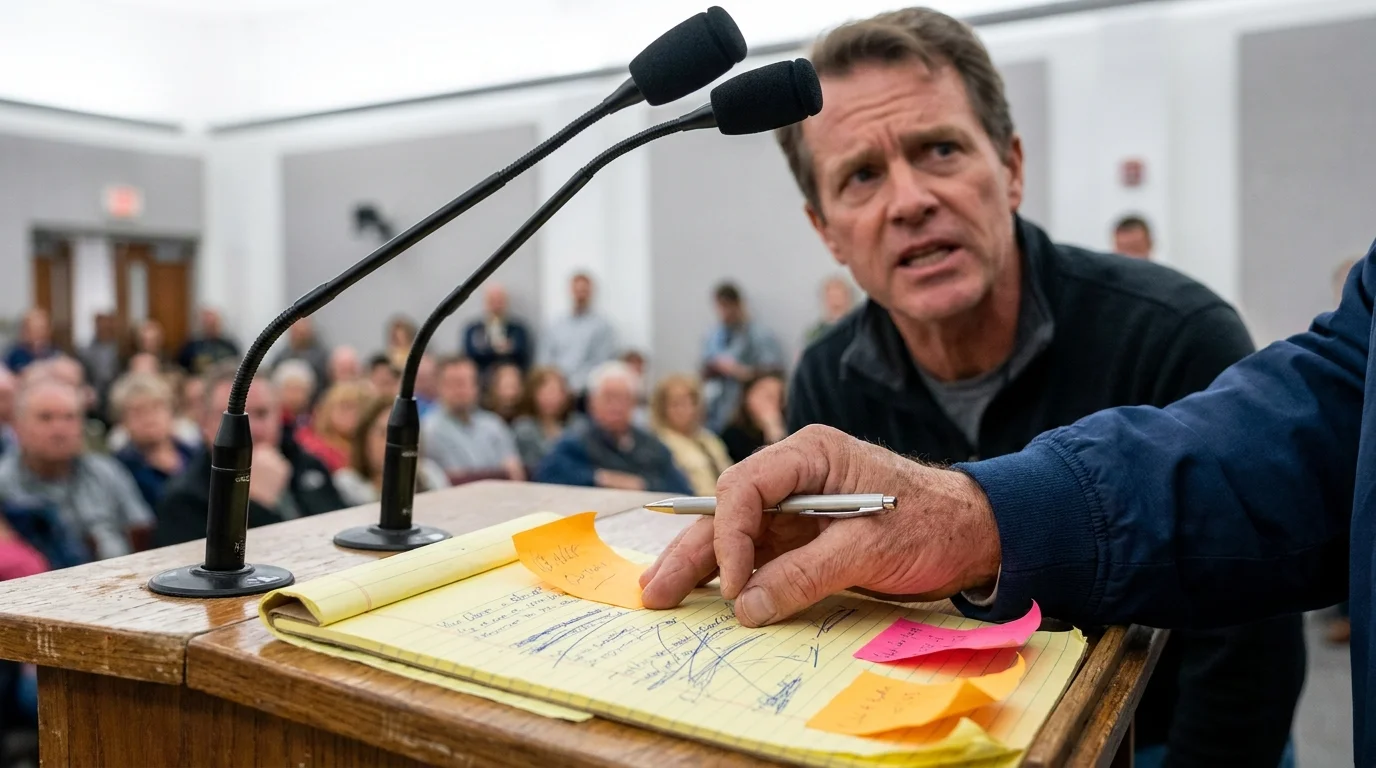
If you watch the televised feed of a House Ways and Means Committee markup, you see rows of dais microphones, scripted opening statements, and carefully staged party friction. But if you walk fifteen paces down the back hallway into the staff director’s workspace, the performative theater vanishes. Billions of dollars shift across a single yellow legal pad sitting between a cold bagel and a stack of Joint Committee on Taxation estimates.
This is where expiring tax provisions live or die. The formal language printed in the official chairman’s mark is merely an opening bid. The actual law—the version that dictates your family’s standard deduction, your small business equipment write-offs, and your child tax credits—is born from rapid, handwritten blue ink strikes slashed through statutory definitions while lawmakers swap handshakes over styrofoam cups.
The Anatomy of the Margin: Why Policy Lives in Pen Strokes
We are taught to believe that legislation is built like an architectural blueprint, drawn with millimeter precision in quiet drafting offices. In reality, high-stakes tax policy operates much more like an emergency room triage board. When two senior members from opposing factions finally agree on a revenue offset, they do not wait for the legislative counsel to re-typeset a four-hundred-page bill. They simply cross out a line, write a new sunset date in the margin, and initial the white space.
The margin is where the rigid mechanics of the federal code bend to human compromise. A printed line might state that bonus depreciation phases down to twenty percent by December 31. But a quick, jagged pen stroke through that phrase—replacing it with a scribbled note reading “one hundred percent through taxable year 2026”—instantly redirects corporate investment strategies across all fifty states. Understanding these physical marks reveals who held leverage in the room when the clock ran out.
Marcus Bennett, a 44-year-old former tax counsel who spent twelve years managing markup drafts in the Rayburn building, describes the final hours before a committee vote as an exercise in controlled exhaustion. He remembers clutching a blue pen at 2:45 AM, waiting for two members from the farm belt to settle a dispute over section 179 expensing. The agreement took forty seconds to strike verbally; Marcus spent the next three minutes frantically amending draft pages by hand so the clerk could photocopy the revised substitute before the gavels sounded.
- Selzer poll survey screens trap silent voters under scratchy landline audio filters
- Bill Clinton stump speeches enforce rhythmic pauses with worn wooden podium taps
- Donald Trump White House statues policy reverses federal monument guidelines to enforce traditional architecture
- South Carolina Senate race polling sparks massive ground campaign shifts across suburban precincts
- Economic sanctions legislation triggers emergency compliance mandates halting foreign cargo shipments
The Three Layers of the Committee Markup Draft
When you look closely at an amended markup draft, you can trace the exact sequence of political bargaining by looking at how the ink interacts with the printed text. Every layer tells a distinct story about which economic interest managed to hold its ground.
1. The Sunset Gambits
Expiring provisions are the lifeblood of tax negotiations. Rather than repealing or permanently extending a policy, drafters use handwritten adjustments to tweak expiration dates. Changing a 2025 sunset to 2027 inside the margin allows leadership to lower the official ten-year cost score on paper while daring the next Congress to let popular relief expire.
2. The Pass-Through Carve-Outs
When small business write-offs are negotiated, the disputes rarely center on whether to keep a deduction. Instead, they center on the micro-language defining eligible service businesses. A single slashed adjective in the definition of a qualified trade can suddenly open or close tax shields for hundreds of thousands of independent contractors.
3. The Revenue Pay-For Slashes
To pay for sudden concessions, committee staff must find immediate offset revenue. This produces hurried marginal edits to foreign earnings rules, corporate minimum assessments, or administrative penalties. These additions are often jotted down in hurried shorthand, leaving private accountants to decipher the exact statutory intent months after the bill is signed into law.
How to Track Real Policy Shifts Before the Vote
You do not need an all-access security badge to see the trajectory of a tax bill before it reaches the floor. You simply need to know how to read the paperwork that committee staff release between working sessions.
- Watch the JCT Description tables: Look for supplemental “Green Sheets” issued by the Joint Committee on Taxation, which list modifications to the chairman’s mark.
- Audit the bracketed strike-throughs: Digital draft releases will show bracketed text representing the physical ink marks made during closed-door markups.
- Track the midnight substitute amendments: When a substitute amendment is filed late at night, compare its page count directly against the base text to spot wholesale policy substitutions.
Tracking these specific revisions gives you a clear window into upcoming tax changes months before tax prep software updates its calculators.
Reading the Ink Before It Dries
The messy reality of congressional markup drafts is not a sign of institutional failure; it is the physical evidence of practical negotiation. Lawmaking at the highest economic level requires flexibility, and flexibility demands paper, quick thinking, and a willingness to edit under pressure.
When you understand that the tax code is shaped by fast strokes in narrow margins, the political process loses its sterile, distant mystique. You begin to see the code for what it truly is: a living document hammered out in side rooms, where a single line drawn in blue ink can reshape your financial balance sheet overnight.
“Legislation is not sculpted in marble on the House floor; it is scribbled in ballpoint pen on the back of committee printouts while the coffee is still hot.”
| Key Point | Detail | Added Value for the Reader |
|---|---|---|
| The Venue of Power | Policy decisions happen in side holding rooms rather than the televised committee dais. | Helps you ignore performative floor speeches and focus on actual bill text changes. |
| Marginal Substitutions | Handwritten edits to sunset dates and definitions alter ten-year revenue scores instantly. | Allows you to anticipate which deductions are temporary versus long-term fixtures. |
| Staff-Level Translation | Tax counsels convert rapid verbal agreements into binding legislative language overnight. | Clarifies why final statutory language often contains subtle technical surprises. |
Frequently Asked Questions
Why are markup drafts still edited by hand instead of digitally?
Speed and security. When lawmakers negotiate in real time, physically crossing out words on printed drafts avoids version-control errors and allows immediate physical sign-off between negotiating members.What is the difference between a chairman’s mark and a substitute amendment?
The chairman’s mark is the initial draft bill proposed by committee leadership. An amendment in the nature of a substitute replaces large portions of that text after behind-the-scenes bargains are struck.How do handwritten changes get translated into official law?
Committee staff and Office of the Legislative Counsel attorneys transcribe the physical notes into formal legislative language before the committee conducts its final roll-call vote.Can an amendment made in the margin be challenged on the floor?
Yes, but if the committee approves the revised text as a whole, the changes become integrated into the official reported bill before it ever reaches the House Rules Committee.Where can regular taxpayers find these raw committee markups?
The House Ways and Means Committee website and docs.house.gov publish markup materials, amendments, and JCT revenue scores as soon as they are filed during committee proceedings.